स्वर्णकाकः Summary Notes Class 9 Sanskrit Chapter 2

By going through these CBSE Class 9 Sanskrit Notes Chapter 2 स्वर्णकाकः Summary, Notes, word meanings, translation in Hindi, students can recall all the concepts quickly.

Class 9 Sanskrit Chapter 2 स्वर्णकाकः Summary Notes

स्वर्णकाकः  Summary
स्वर्णकाकः Summary Notes Class 9 Sanskrit Chapter 2 .4

प्रस्तुत पाठ पद्मशास्त्री जी द्वारा रचित ‘विश्वकथाशतकम्’ नामक कथा संग्रह से लिया गया है। इस कथा में सुनहरे पंखों वाले एक कौए के माध्यम से लोभ और उसके दुष्परिणाम का वर्णन किया गया है। साथ में त्याग और उसके लाभ के बारे में बताया गया है। कथा का सार इस प्रकार है

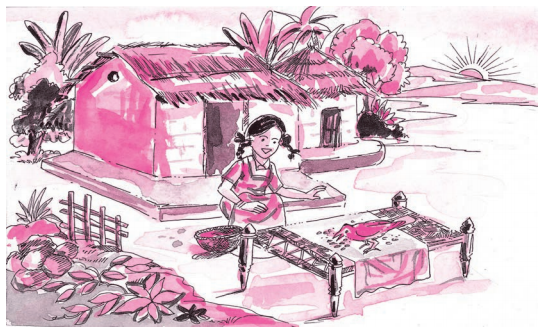
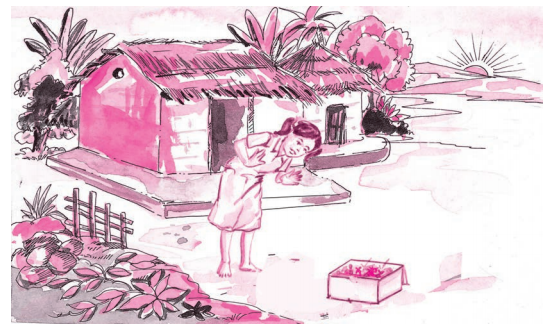
किसी गाँव में एक बुढ़िया रहती थी। उसने एक दिन थाली में चावल रखकर अपनी पुत्री से कहा-पुत्री, पंछियों से इसकी रक्षा करना। उसी समय एक विचित्र कौआ वहाँ आकर चावल खाने लगा। उस कन्या ने कौवे को मना किया तो उसने उसे एक पीपल के वृक्ष के पास आने के लिए कहा। कौवे ने उस लड़की की ईमानदारी से प्रसन्न होकर उसे हीरे-जवाहरात दिए।
स्वर्णकाकः Summary Notes Class 9 Sanskrit Chapter 2 .5

उसी गाँव में एक लालची बुढ़िया भी रहती थी। वह सारे रहस्य जान गई। उसने ईर्ष्या वश उसी प्रकार का नाटक किया। उसकी बेटी घमंडी थी। कौवे के कहने पर उसने स्वर्णमय सोपान की माँग की। उस लड़की की हीन इच्छा को जानकर कौवे ने उसके सामने तीन पेटियाँ रख दीं। लोभ से भरी हुई उस लड़की ने सबसे बड़ी पेटी उठा ली। ज्यों ही उसने उसे खोला, त्योंही उसमें से काला साँप निकला। उस दिन से उस लड़की ने लालच का त्याग कर दिया।

स्वर्णकाकः Word Meanings Translation in Hindi

1. पुरा कस्मिंश्चिद् ग्रामे एका निर्धना वृद्धा स्त्री न्यवसत्। तस्याः च एका दुहिता विनम्रा मनोहरा चासीत्। एकदा माता स्थाल्यां तण्डुलान् निक्षिप्य पुत्रीम् आदिशत्। “सूर्यातपे तण्डुलान् खगेभ्यो रक्षा” किञ्चित् कालादनन्तरम् एको विचित्रः काकः समुड्डीय तस्याः समीपम् अगच्छत्।

शब्दार्थाः –
पुरा – प्राचीन काल में
निक्षिप्त – रखकर
कस्मिंश्चिद् – किसी (में)
आदिदेश – आदेश दिया
निर्धना – ग़रीब,
सूर्यातपे – सूरज की धूप में
न्यवसत् – रहती थी
खगेभ्यः – पक्षियों से
दुहिता – पुत्री
किञ्चिद् – कुछ
विनम्रा – नम्र स्वभाव वाली
कालात् – समय से (के)
मनोहरा – सुंदर
अनन्तरम् – बाद में
एकदा – एक बार
समुड्डीय – उड़कर
स्थाल्याम् – थाली में
तण्डुलान् – चावलों को।

अर्थ –
प्राचीन समय में किसी गाँव में एक निर्धन (ग़रीब) बुढ़िया स्त्री रहती थी। उसकी एक नम्र स्वभाव वाली और सुंदर बेटी थी। एक बार माँ ने थाली में चावलों को रखकर पुत्री को आज्ञा दी – सूर्य की गर्मी में चावलों की पक्षियों से रक्षा करो। कुछ समय बाद एक विचित्र कौआ उड़कर वहाँ आया।

अव्ययानां वाक्येषु प्रयोगः – 
अव्ययः वाक्येषु प्रयोगः
पुरा – पुरा रामः अयोध्यायाः नृपः आसीत्।
च् – श्रीकृष्णः बलरामश्च च् भ्रातरौ आस्ताम्।
अनन्तरम् – स्नानात् अनन्तरं शरीराङ्गानि स्वच्छानि भवन्ति।

विशेषण – विशेष्य – चयनम् –
विशेषणम् – विशेष्यः
कस्मिंश्चित् – ग्रामे
एका, विनम्रा, मनोहरा – दुहिता
एका, निर्धना, वृद्धा – स्त्री
एकः, विचित्रः – काकः

2. नैतादृशः स्वर्णपक्षो रजतचञ्चुः स्वर्णकाकस्तया पूर्वं दृष्टः। तं तण्डुलान् खादन्तं हसन्तञ्च विलोक्य बालिका रोदितुमारब्धा। तं निवारयन्ती सा प्रार्थयत् “तण्डुलान् मा भक्षय। मदीया माता अतीव निर्धना वर्तते।” स्वर्णपक्षः काकः प्रोवाच, “मा शुचः। सूर्योदयात्प्राग् ग्रामाबहिः पिप्पलवृक्षमनु त्वया आगन्तव्यम्। अहं तुभ्यं तण्डुलमूल्यं दास्यामि।” प्रहर्षिता बालिका निद्रामपि न लेभे।

शब्दार्थाः –
एतादृशः – ऐसा (इस तरह का)
स्वर्णपक्षः – सोने, के पंख वाला
रजतचञ्चुः-चाँदी की चोंच वाला
पूर्वम् – पहले
खादन्तम् – खाते हुए को
प्रोवाच – बोला/बोली
हसन्तम् – हँसते हुए को
शुचः – शोक करो,
दितम् – रोना
प्राग – पहले
आरब्धा – शुरू कर दिया
पिप्पलक्षमन – पीपल के वृक्ष के, पीछे
निवारयन्ती – हटाती हुई
आगन्तव्यम् – आना
प्रार्थयत् – प्रार्थना की
तुभ्यम् – तुम्हें
भक्षय – खाओ
प्रहर्षिता – प्रसन्न
मदीया – मेरी
निद्राम् – नींद को
अतीव – बहुत अधिक
लेभे – ले पाई

अर्थ –
उसके द्वारा ऐसा सोने के पंखों वाला और चाँदी की चोंच वाला सोने का कौआ पहले नहीं देखा गया था। उसको चावलों को खाते और हँसते हुए देखकर लड़की ने रोना शुरू कर दिया। उसको हटाती हुई उसने प्रार्थना की-चावलों को मत खाओ। मेरी माँ बहुत गरीब है। सोने के पंख वाला कौआ बोला, शोक मत करो। सूर्योदय से पहले गाँव के बाहर पीपल के वृक्ष के पीछे तुम आना। मैं तुम्हें चावलों का मूल्य (कीमत) दे दूँगा। प्रसन्नता से भरी लड़की नींद भी नहीं ले पाई।

विशेषण – विशेष्य – चयनम् –
विशेषणम् – विशेष्यः
एतादृशः, स्वर्णपक्षः, रजतचञ्चुः – स्वर्णकाकः
निवारयन्ती – सा
स्वर्णपक्षः – काकः
खादन्तम्, हसन्तम् – तम्
मदीया, निर्धना – माता
प्रहर्षिता – बालिका

अव्ययानां वाक्येषु प्रयोगः –
पूर्वम् – सः बालकः पूर्वम् अत्र नागच्छत्।
विलोक्य – पितरम् विलोक्य पुत्रः प्रसन्नः अभवत्।
अतीव – अधुना अहम् अतीव श्रान्तः अस्मि।
मा – त्वं तत्र मा गच्छ।
बहिः – सः ग्रामात् बहिः निरगच्छत्।
अनु – विद्यालयम् अनु छात्राः तिष्ठन्ति।
अपि – ते अपि गुणिनः सन्ति।

3. सूर्योदयात्पूर्वमेव सा तत्रोपस्थिता। वृक्षस्योपरि विलोक्य सा च आश्चर्यचकिता सञ्जाता यत् तत्र स्वर्णमयः प्रासादो वर्तते। यदा काकः शयित्वा प्रबुद्धस्तदा तेन. स्वर्णगवाक्षात्कथितं “हंहो बाले! त्वमागता, तिष्ठ, अहं त्वत्कृते सोपानमवतारयामि, तत्कथय स्वर्णमयं रजतमयम् ताम्रमयं वा?” कन्या अवदत्”अहं निर्धनमातुः दुहिता अस्मि। ताम्रसोपानेनैव आगमिष्यामि।” परं स्वर्णसोपानेन सा स्वर्ण-भवनम् आरोहत।

शब्दार्थाः –
पूर्वमेव – पहले से ही
हहो – अरे/हे
उपस्थिता – उपस्थित थी
आगता – आ गई।
वृक्षस्योपरि – वृक्ष के ऊपर
त्वत्कते – तम्हारे लिए.
आश्चर्यचकिता – हैरान,
अवतारयामि – उतारता हूँ.
सजाता – हो गई.
उत – और
स्वर्णमयः – सोने से बना,
प्रावोचत् – बोली,
प्रासादः – महल,
मातः – माँ की,
वर्तते – है,
दुहिता – बेटी
शयित्वा – सोकर,
ताम्रसोपानेन – ताँबे की सीढ़ी से,
प्रबुद्धः – जागा,
स्वर्णभवनम् – सोने के महल में,
स्वर्णगवाक्षात् – सोने की खिड़की से
आससाद – पहुँची।

अर्थ –
सूर्योदय से पहले ही वह (लड़की) वहाँ पहुँच गई। वृक्ष के ऊपर देखकर वह आश्चर्यचकित हो गई कि वहाँ सोने का महल है। जब कौआ सोकर उठा तब उसने सोने की खिड़की से झाँककर कहा–अरे बालिका! तुम आ गई, ठहरो, मैं तुम्हारे लिए सीढ़ी को उतारता हूँ, तो कहो सोने की, चाँदी की अथवा ताँबे की, किसकी उतारूँ? कन्या बोली-मैं निर्धन (ग़रीब) माँ की बेटी हूँ। ताँबे की सीढ़ी से ही आऊँगी। परंतु सोने की सीढ़ी से वह स्वर्णभवन में पहुँची।

अव्ययानां वाक्येषु प्रयोगः –
पूर्वम् – खगाः सायं कालात् पूर्वमे व स्वनीडमागच्छन्ति
तत्र – सः तत्र गच्छति तत्र तस्य माता अस्ति।
उपरि – गृहस्य उपरि खगाः तिष्ठन्ति।
यत् – अहं कथयामि यत् त्वं तत्र तिष्ठ।
यदा – यदा श्रीकृष्णः उपदिशति।
तदा – तदा अर्जुनः युद्धम् अकरोत्।
वा – सुखे वा दु:खे वा सदैव शान्तः भवेत्।
एव – माता एव पुत्रस्य हितं करोति।
यद्यपि सः खञ्जोऽस्ति परम् अतीव तत्परो प्रतीयते।

विशेषण – विशेष्य – चयनम् –
विशेषणम् – विशेष्यः
आश्चर्यचकिता – सा
प्रबुद्धः – काकः
स्वर्णमयः – प्रासादः
स्वर्णमयम् – भवनम्

4. चिरकालं भवने चित्रविचित्रवस्तूनि सज्जितानि दृष्ट्वा सा विस्मयं गता। श्रान्तां तां विलोक्य काकः अवदत् “पूर्वं लघुप्रातराशः क्रियताम्-वद त्वं स्वर्णस्थाल्यां भोजनं करिष्यसि किं वा रजतस्थाल्याम् उत ताम्रस्थाल्याम्”? बालिका अवदत्-ताम्रस्थाल्याम् एव अहं-“निर्धना भोजनं करिष्यामि।” तदा सा आश्चर्यचकिता सजाता यदा स्वर्णकाकेन स्वर्णस्थाल्यां भोजनं पर्यवेषितम्। न एतादृशम् स्वादु भोजनमद्यावधि बालिका खादितवती। काकोऽवदत्-बालिके! अहमिच्छामि यत् त्वम् सर्वदा अत्रैव तिष्ठ परं तव माता तु एकाकिनी वर्तते। अतः “त्वं शीघ्रमेव स्वगृहं गच्छ।”

शब्दार्थाः –
चिरकालम – बहुत देर तक
स्वर्णस्थाल्याम – सोने की थाली में
सज्जितानि – सजी हुई
रजतस्थाल्याम् – चाँदी की थाली में
विस्मयम् – हैरानी को
उत – या/अथवा
गता – प्राप्त हुई
व्याजहार – बोली/बोला
श्रान्ताम् – थकी हुई को
निर्धना – ग़रीब
विलोक्य – देखकर
आश्चर्यचकिता – हैरान
प्राह – बोला
सज्जाता – हो गई
पूर्वम् – पहले
पर्यवेषितम – परोसा (दिया)
लघप्रातराश: – थोडा नाश्ता (जलपान)
एतादक – ऐसा
क्रियताम – करो
स्वादु – स्वादिष्ट
अद्यावधि – आजतक
सर्वदा – सदा (हमेशा)
खादितवती – खाई भी
अत्रैव (अत्र+एव) – यहीं
ब्रूते – बोला, एकाकिनी-अकेली।

अर्थ –
बहुत देर तक भवन में चित्रविचित्र (अनोखी) वस्तुओं को सजी हुई देखकर वह हैरान रह गई। उसको थकी हुई देखकर कौआ बोला-पहले थोड़ा नाश्ता करो-बोलो तुम सोने की थाली में भोजन करोगी या चाँदी की थाली में या ताँबे की थाली में? लड़की बोली-ताँबे की थाली में ही मैं ग़रीब भोजन करूँगी (खाना खाऊँगी)। तब वह कन्या और आश्चर्यचकित हो गई जब सोने के कौवे ने सोने की थाली में (उसे) भोजन परोसा। ऐसा स्वादिष्ट भोजन आज तक उस लड़की ने नहीं खाया था। कौआ बोला-हे बालिका (लडकी)! मैं चाहता हूँ कि तुम हमेशा यहीं रहो परंतु तुम्हारी माँ अकेली है। तुम जल्दी ही अपने घर को जाओ।

अव्ययानां वाक्येषु प्रयोगः –
पूर्वम् – ग्रामात् पूर्वम् जलाशयः विद्यते।
वा – बाल:भवेत् बालिका वा, सम्पूर्ण स्नेहं कुर्यात्।
एव – एव मम भागिनी वर्तते।
यदा-तदा – यदा बालः गृहं गमिष्यति तदा भोजनं खादिष्यति।
अद्यावधि – रामम् इव अद्यावधि कश्चिदपि न अभवत्।
च – भ्राता भगिनी विद्यालयं गच्छतः।
अत्र – अत्र मम जन्मस्थानम् अस्ति।
शीघ्रम् – अधुना अहं विद्यालयं शीघ्रं गच्छामि।

विशेषण – विशेष्य – चयनम् –
विशेषणम् – विशेष्यः
सज्जितानि – चित्रविचित्रवस्तूनि
निर्धना – अहम्
एतादृक् स्वादु – भोजनाम
श्रान्ताम् – ताम्
सा, आश्चर्यचकिता – कन्या
एकाकिनी – माता

5. इत्युक्त्वा काकः कक्षाभ्यन्तरात् तिस्त्रः मञ्जूषाः निस्सार्य तां प्रत्यवदत्-“बालिके! यथेच्छं गृहाण मञ्जूषामेकाम्।” लघुतमा मञ्जूषां प्रगृह्य बालिकया कथितम् इयत् एव मदीयतण्डुलानां मूल्यम्। गृहमागत्य तया मञ्जूषा समुद्घाटिता, तस्यां महार्हाणि हीरकाणि विलोक्य सा प्रहर्षिता तद्दिनाद्धनिका च सञ्जाता।

शब्दार्था: –
इत्युक्त्वा – ऐसा कहकर के
कक्षाभ्यन्तरात् – कमरे के अंदर से
मञ्जूषा: – बक्से
निस्सार्य – निकालकर
प्रत्यवदत् – बोला
यथेच्छम् – इच्छापूर्वक (इच्छा के अनुसार)
लघुतमाम् – सबसे छोटी (को)
प्रगृह्य – लेकर
इयदेव – इतना ही
मदीय – मेरे
समुद्घाटिता – खोला (खोला गया)
महार्हाणि – महँगे (बहुमूल्य)
प्रहर्षिता – प्रसन्न हो गई
तद्दिनात् – उसी दिन से
सञ्जाता – हो गई।

अर्थ –
ऐसा कहकर कौए ने कमरे के अंदर से तीन बक्से निकालकर उसको कहा- हे कन्या! अपनी इच्छा से एक संदूक ले लो। सबसे छोटी संदूक को लेकर लड़की ने कहा-यही मेरे चावलों की कीमत है। घर आकर उसने संदूक को खोला, उसमें बहुत कीमती (मूल्यवान) हीरों को देखकर वह बहुत खुश हुई और उसी दिन से वह धनी हो गई।

अव्ययानां वाक्येष प्रयोग –
अव्ययः – वाक्येषु प्रयोगः
इति –  इति कथयित्वा छात्रः विद्यालयम् अगच्छत्।
एव – त्वम् एव मम बन्धुः वर्तते।
च – रामः श्यामः मित्रे स्तः।

विशेषण-विशेष्य चयनम –
तिस्त्रः – मञ्जूषाः
इयत्मू – ल्यम्
प्रहर्षिता, धनिका – सा
एकाम् – मञ्जूषाम्
महार्हाणि – हीरकाणि

6. तस्मिन्नेव ग्रामे एका परा लुब्धा वृद्धा न्यवसत्। तस्या अपि एका पुत्री आसीत्। ईर्ण्यया सा तस्य स्वर्णकाकस्य रहस्यम् ज्ञातवती। सूर्यातपे तण्डुलान् निक्षिप्य तयापि स्वसुता रक्षार्थं नियुक्ता। तथैव स्वर्णपक्षः काकः तण्डुलान् भक्षयन् तामपि तत्रैवाकारयत्। प्रातस्तत्र गत्वा सा काकं निर्भर्त्सयन्ती प्रावोचत्-“भो नीचकाक! अहमागता, मह्यं तण्डुलमूल्यं प्रयच्छ।” काकोऽब्रवीत्-“अहं त्वत्कृते सोपानम् अवतारयामि। तत्कथय स्वर्णमयं रजतमयं ताम्रमयं वा।” गर्वितया बालिकया प्रोक्तम्- “स्वर्णमयेन सोपानेन अहम् आगच्छामि।” परं स्वर्णकाकस्तत्कृते ताम्रमयं सोपानमेव प्रायच्छत्। स्वर्णकाकस्तां भोजनमपि ताम्रभाजने एव अकारयत्।

शब्दार्था: –
तस्मिन्नेव – उसी
निर्भर्त्सयन्ती – बुरा-भला कहती हुई
अपरा – दूसरी
प्रावोचत् – बोला
न्यवसत् – रहती थी
आगता – आ गई
रहस्यम् – गुप्त बात को
मह्यम् – मुझे
अभिज्ञातवती – जान गई
त्वत्कृते – तुम्हारे लिए
सूर्यातपे – सूर्य की धूप में
सोपानम् – सीढ़ी को
निक्षिप्य – रखकर/फैलाकर
अवतारयामि – उतारता हूँ
स्वसुता – अपनी पुत्री
तत्कथय – तो कहो
रक्षार्थम् – रखवाली के लिए
गर्वितया – घमंडी
नियुक्ता – बिठा दी
प्रोक्तम् – कहा गया/ कहा
तथैव – वैसे ही
तत्कृते – उसके लिए
भक्षयन् – खाते हुए
प्रायच्छत् – दिया
तत्रैव – वहीं
ताम्रभाजने – ताँबे के पात्र में
आवारयत् – बुलाया,
अकारयत् – कराया।

अर्थ –
उसी गाँव में एक दूसरी लालची बुढ़िया स्त्री रहती थी। उसकी भी एक बेटी थी। ईर्ष्या से उसने उस सोने के कौए का रहस्य जान लिया। सूर्य की धूप में चावलों को रखकर (फैलाकर) उसने भी अपनी बेटी को उसकी रक्षा के लिए बिठा (नियुक्त कर) दिया। वैसे ही सोने के पंख वाले कौए ने चावलों को खाते हुए उसको (लड़की को) भी या। सबह वहाँ जाकर वह कौए को बरा-भला कहती हई बोली- हे नीच कौए! मैं आ गई हूँ, मुझे चावलों का मल्य दो। कौआ बोला- मैं तुम्हारे लिए सीढी उतारता हूँ। तो कहो सोने से बनी हुई, चाँदी से बनी हुई अथवा ताँबे से बनी हुई। घमंडी लड़की बोली- सोने से बनी हुई सीढ़ी से मैं आती हूँ परंतु सोने के कौए ने उसे ताँबे से बनी हुई सीढ़ी ही दी। सोने के कौए ने उसे भोजन भी ताँबे के बर्तन में कराया।

अव्ययानां वाक्येषु प्रयोगः –
एव – एषः एव मम भ्राता अस्ति।
अपि – त्वम् अपि स्वकथां श्रावय!
तथैव – बालकः अपि तथैव करोति यथा तस्य पिता करोति।
तत्रैव – रामः तत्रैव तिष्ठति यत्र तस्य गुरुः आदिशत्
तत्र – त्वमपि तत्र गच्छ!
हि – त्वं हि नः पिता वर्तसे।

विशेषण – विशेष्य – चयनम् –
विशेषणम् – विशेष्य
तस्मिन् – ग्रामे
एका – पुत्री
निर्भर्त्सयन्ती – सा
गर्वितया – बालिकया
एका, अपरा, लुब्धा – वृद्धा
स्वर्णपक्षः – काक:
स्वर्णमयम्/ताम्रमयम् /रजतमयम् – सोपानम्
स्वर्णमयेन – सोपानेन

7. प्रतिनिवृत्तिकाले स्वर्णकाकेन कक्षाभ्यन्तरात् तिम्रः मञ्जूषाः तत्पुरः समुत्क्षिप्ताः। लोभाविष्टा सा बृहत्तमा मञ्जूषां गृहीतवती। गृहमागत्य सा तर्षिता यावद् मञ्जूषामुद्घाटयति तावत् तस्यां भीषणः कृष्णसर्पो विलोकितः। लुब्धया बालिकया लोभस्य फलं प्राप्तम्। तदनन्तरं सा लोभं पर्यत्यजत्।

शब्दार्थाः –
प्रतिनिवृत्तिकाले – वापस जाते समय
लोभाविष्टा – लालची
कक्षाभ्यन्तरात् – कमरे के अंदर से
बृहत्तमाम् – सबसे बड़ी
तिस्त्रः – तीन
गृहीतवती – ले ली
मञ्जूषाः – संदूकें (पेटियाँ),
तर्षिता – व्याकुल
तत्पुरः – उसके सामने
उद्घाटितवती – खोला/खोली
समुत्क्षिप्ताः – रख दी
भीषण:- भयानक
कृष्णसर्पः – काला साँप
विलोकितः – देखा
लुब्धया – लालची
प्राप्तम् – प्राप्त किया गया
पर्यत्यजत् – छोड़ दिया।

अर्थ –
वापस होते समय सोने के कौए ने कमरे के अंदर से तीन पेटियाँ (संदूकें) उसके सामने रख दीं। लालची लड़की ने सबसे बड़ी पेटी ले ली। घर आकर व्याकुल वह जब संदूक खोलती है तो उसमें अचानक काला साँप देखा। लालची लड़की ने लालच का फल पाया। उसके बाद उसने लालच छोड़ दी।

अव्ययानां वाक्येषु प्रयोगः –
अव्ययः – वाक्येषु प्रयोगः
तत्पुरः – रामः बालकं दृष्ट्वा तत्पुरः भोजनम् कृतवान्।
यावद् – यावद् सः पठिष्यति।
तावत् – तावत् तस्य जीवनम् उन्नति करिष्यति।
अनन्तरम् – पठनात् अनन्तरं सः अधिकारी अभवत्।

विशेषण – विशेष्य – चयनम् –
विशेषणम् – विशेष्यः
तिस्रः – मज्जूषाः
बृहत्तमाम् – मञ्जूषाम्
भीषणः – कृष्णसर्पः
लोभाविष्टा – सा
तर्षिता – सा
लुब्धया – बालिकया
Sets Class 11 Notes Maths Chapter 1

By going through these CBSE Class 11 Maths Notes Chapter 1 Sets Class 11 Notes, students can recall all the concepts quickly.

Sets Notes Class 11 Maths Chapter 1

Set: Any well-defined collection of objects, which are different from each other, and which we can see or think of is called a set.

Members of a set: The objects which belong to a set are called its members or elements.

Representation of a set: There are two ways by which the , sets can be represented :
(a) Tabular form or Roster form : Here, the elements of a
set are actually written down, separated by commas and enclosed * within braces (i.e., curly brackets). Thus,

(i) V, the set of vowels in the English alphabet = {a, e, i, o, u},
(ii) A, the set of odd natural numbers < 10 = {1, 3, 5, 7, 9),
(iii) N, the set of natural numbers = {1, 2, 3,…}.

(b) The set builder form : In this form, we list the property or properties satisfied by the elements of the set. Thus,
(i) M = {2, 3,.5, 7, 11, 13, 17, 191 = {x : x is a prime number < 20).

(ii) A = 16, 7, 8, 9, 10, 11} = {x| ∈ N, 5 < x < 12}, where ∈ stands for ‘belongs to’ and ‘ | ’ stands for ‘such that’.

It may be noted that while writing the set in roster form, an element is not generally repeated. For example, the set of letters of the word ‘SCHOOL’ is (S, C, H, O, L}.

Empty set or null set or void set : A set consisting of no element at all is called the empty set or the null set or the void | set. It is denoted by Φ (Phai). In roster form, it is written as = { }.
Examples : (i) (x : x ∈ N, 1 < x < 2} = Φ.
(ii) {x : x ∈ R, x2 = – 1} = Φ.

Finite Set: A set in which the process of counting of elements surely comes to an end, is called a finite set.
Examples : ii) {x : x ∈ N, x < 500) (ii) Set of all trees on earth.

Infinite Set: A set, in which the process of counting of elements never comes to an end, is called an infinite set. Examples : (i) {x : x ∈ N, x > 50), (ii) {x : x ∈ Z, x < 1}.

Equal Sets : Two sets A and B are said to be equal, if every element of A is in B and every element of B is in A. It is written as A = B.
Examples: (i) {1, 2, 5} = {2, 1, 5} = {5, 1, 2)
(ii) {1, 2, 3, 1} = {1, 2, 3} = {1, 1, 2, 2, 3} etc.
[∵ The repetition of elements in a set is meaningless]

Equivalent Sets : Two finite sets A and B are said to be equivalent, if n(A) = n(B), where n(A) or n(B) is the number of elements in set A or B. It is written as A ↔ B.
Example: If A = {1, 2, 3} and B = {a, b, c}. Then, A ↔ B as n(A) = n(B) = 3.

Whenever A = B, then n(A) = n(B). Thus, equal sets are always equivalent. But, equivalent sets need not be equal.

Disjoint Sets : Two sets are said to be disjoint, if they have no element in common.
Example : A = {1, 3, 5} and B = {2, 4, 6) are disjoint sets.

Subset: If A and B are two sets given in such a way that every element of A is in B, then A is a subset of set B and it is written as A ⊂ B (read as ‘A is contained in B’)
If at least one element of A does not belong to B, then A is not a subset of B. It is written as A ⊄ B.
Example : If A = {1, 2, 3} and B = {3, 2, 4, 1), then A ⊂ B.

Subsets of Set of Real Numbers R :
There are many important subsets of R. Some of them are given below :
(i) The set of natural numbers = N = {1, 2, 3, 4, 5, ….)

(ii) The set of integers Z is
Z = {…., – 3, – 2, – 1, 0, 1, 2, 3, ….}

(iii) The set of rational numbers Q.
Q = {x: x = \(\frac{p}{q}\), p,q ∈ Z and q ≠ 0

(iv) Set of irrational numbers
T = {x : x e R and x ∉ Q} = R – Q.

Members of T are such as √2, √5, √7,…., π, etc.
Here, we observe that
N ⊂ Z ⊂ Q ⊂ R, T ⊂ R, N ⊄ T.
INTERVAL AS SUBSET OF R.
Let a, b ∈ R and a < b.

Open Interval : The set of real numbers {y : a <y < b} is called an open interval and is denoted by (a, b). Here all the points between a and b belong to the open interval (a, b), but a and b do not, belong to this interval.

Closed Interval: Closed interval is defined as {a, b = [x : a ≤ x ≤ b}.
All the points between a and b and the points a and b belong to \a,b).

Closed on the left and open to right: [a, b) = {x:a ≤ x < b}.
All the points between a and b and the point a belong to fa, b) but b does not belong to this interval.

Open on the left and closed to the right:
(a, b] = {x:a < x ≤ b}.
All the points between a and b and the point b belong to (a, 6] but a does not belong to it.

Super Set: If A is subset of B, then we say that B is a super set of A and is written as B ⊃ A.’

Some results on subsets :

  • Every set is a subset of itself, i.e.,A⊂A, B⊂B, etc.
  • The empty set is a subset of every set, i.e., Φ ⊂ A, Φ ⊂ B, etc.
  • If A = B, then A ⊂ B and B ⊂ A.
  • If A ⊂ B and B ⊂ A, then A = B.
  • If A contains n elements, then A has 2n subsets.

Power Set : The collection of all subsets of a set A is called the power set of A. It is denoted by P(A). In P(A), every element is a set.

Proper Subset : If A is a subset of B but A ≠ B, then A is called a proper subset et P and is written as A ⊂ B. Thus, A is a proper subset of B only when every elemént of A is in B and B has at least one extra element than A.

Example: If A {1, 2. 3) and B = (1, 2, 3, 4). Then, A ⊂ B and A ≠ B. Therefore A ⊂ B.

Note : If A is a subset of B and A = B, then A is not a proper subset of B. In such a case, it is denoted as A ⊆ B.

Some results on proper subsets:

  • If A ⊂ B and A ≠ B, then A ⊂ B.
  • No set is a proper subset of itself.
  • Φ is a proper subset of every set except itself.
  • Φ has no proper subset.
  • A set having n elements has (2n – 1) proper subsets.

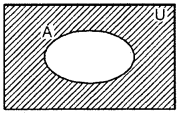
Universal Set : If there are some sets under consideration, then there happens to be a set which is a superset of each one of the given sets. Such a set is called the universal set and it is denoted by U or ξ

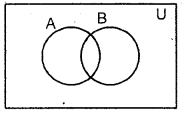
Venn Diagrams : Most of the relationships between sets can be represented by means of diagrams. Figures representing sets in the form of enclosed region in the plane are called Venn diagrams. In these diagrams, the universal set is usually represented by a rectangular region and its subsets by bounded regions inside this rectangular region.

Venn Diagrams In Different Situations

1. A ⊂ U, where U is the universal set.
Sets Class 11 Notes Maths Chapter 1 1

2. Two intersecting subsets of a universal set U.
Sets Class 11 Notes Maths Chapter 1 2

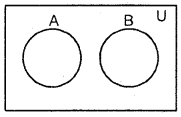
3. Two disjoint subsets of a universal set U.
Sets Class 11 Notes Maths Chapter 1 3

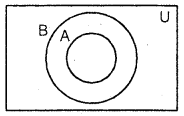
4. A⊂B⊂U, where U is the universal set.
Sets Class 11 Notes Maths Chapter 1 4

Operation of sets : The main set operations are

  1. Union of sets
  2. Intersection of sets
  3. Difference of sets.

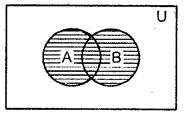
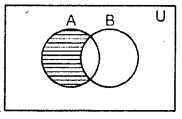
Union of two sets: The union of two
sets A and B, denoted by A u B (read as A union B), is the set of all those elements which are either in A or in B or in both.
Sets Class 11 Notes Maths Chapter 1 5
Symbolically:
A∪B = {x:x ∈ A or x ∈ B}.
Example: If A = {1, 2, 3, 4} and B = {2, 4, 6, 8}. Then,
A ∪ B = {1, 2, 3, 4}∪{2, 4, 6, 8} = {1, 2, 3, 4, 6, 8}.

Some results on union of sets :

  • A⊂A⊂B and B⊂A∪B.
  • If A ⊂B, then A∪B⊂B.

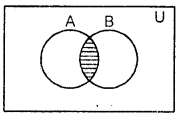
Intersection of sets : The intersection of two sets A and B, denoted by A ∩ B (read as A intersection B), is the set of all elements common to both A and B.

Sets Class 11 Notes Maths Chapter 1 6

Symbolically:
A ∩ B=[x:x ∈ A and x ∈ B).
Example: If A = (1, 2, 3, 4} and B = {2, 4, 6, 8). Then,
A ∩ B = (l, 2,3, 4}∩{2, 4, 6,8} = {2, 4}.

Disjoint Sets : Two sets A and B are said to be disjoint, if A ∩ B = Φ. ,
If A ∩ B ≠ Φ, then A and B are called overlapping or intersecting sets.

Difference of two sets : The difference of two sets A a.nd B, denoted by A – B (read as A minus B), is the set of all those elements of A which are not in B.
Sets Class 11 Notes Maths Chapter 1 7

Symbolically :
A-B = {x:x∈A and x ∉ B}.
Example: If A = {1, 2, 3, 4, 6, 12} and B = {1, 2, 4, 8, 16). Then,
A – B = {3, 6,12} and B – A = {8, 16}.
Note : In general A – B ≠ B – A.

Laws of Set Operations:

1. Commutative Laws : For any two sets A and B, we have :
(i) A∪B = B∪A (ii) A ∩ B = B ∩ A.

2. Associative Laws: For any three sets A, B and C, we have :
(i) (A∪B)∪C = A∪(B∪C), {ii) (A∩B)∩C = A∩(B∩C).

3. Distributive Laws : For any three sets A, B and C, we have:
(i) A∪(B∩C) = (A∪B)∩(A∪C).
(ii) A∩(B∪C) = (A∩B)∪(A∩C).

4. Idempotent Laws : If A is any set, then
(i) A∩A = A (ii) A∪A = A,

5. Identity Laws : If A is any subset of a universal set U and Φ is the null set, then
(i) A∩U = A (ii) A∩Φ = Φ
(iii) A∪Φ = A (iv) A∪U = U.

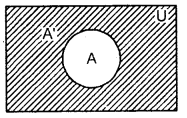
Complement of a set : If U be a Universal set and A is the subset of U, then complement of A with respect to U, denoted by A’ or Ac, is defined as A’ = {x 😡 ∈ U and x ∉ A}, i.e., the complement of A is the set of elements of U which are not the elements of A.
Sets Class 11 Notes Maths Chapter 1 8

Properties of Complements:
(i) Complement Laws.
(a) A∪A’ = U (b) A∩A’ = Φ

(ii) De Morgan’s Laws.
(a) (A ∪ B)’ = A’∩ B’ (b) (A∩B)’=A’∪B’

(iii) Law of double Complementation (a)(A’)’ = A

(iv) Complement of Φ and ∪
(a) Φ’ = U (b) U’ = Φ.

Cardinal Number : n, the number of elements in a set is called the cardinal number of the set, denoted by n(A).

Example : A = {1, 2, 3, 4, 5} n(A) = 5, since A has 5 elements.

Cardinal Properties of Sets:

(а) n(A ∪ B) = n(A) + n(B) – n(A ∩ B)
If A and B are disjoint , then
n(A ∪ B) = n(A) + n(B)

(b) n[A∪B∪C] = n(A) + n(B) + n(C) – n(A∩B) – n(B∩C) – n(C∩A) + n(A ∩B ∩ C).

Morphology of Flowering Plants Class 11 Important Extra Questions Biology Chapter 5

Here we are providing Class 11 Biology Important Extra Questions and Answers Chapter 5 Morphology of Flowering Plants. Important Questions for Class 11 Biology are the best resource for students which helps in Class 11 board exams.

Class 11 Biology Chapter 5 Important Extra Questions Morphology of Flowering Plants

Morphology of Flowering Plants Important Extra Questions Very Short Answer Type

Question 1.
What do you mean by morphology?
Answer:
Morphology refers to external structures.

Question 2.
What are the hanging roots of a banyan tree called?
Answer:
Prop roots

Question 3.
In which type of plants, the primary root is short-lived and is replaced by a large number of roots?
Answer:
Monocotyledonous

Question 4.
Name one plant which has a fibrous root system.
Answer:
Wheat plant

Question 5.
Name one plant which has adventitious roots?
Answer:
Banyan

Question 6.
What is a root cap?
Answer:
The root is covered at the apex by a thimble-like structure called the root cap.

Question 7.
Name the region a few millimetres above the root cap?
Answer:
Region of meristematic activity.

Question 8.
What is the function of root hairs?
Answer:
To absorb water and minerals from the soil.

Question 9.
Name two plants whose taproots store food.
Answer:
Carrot and turnip

Question 10.
Name one plant whose roots come out of the ground and grow vertically upwards.
Answer:
Rhizophora.

Question 11.
What are pneumatophores?
Answer:
Roots which help to get oxygen for respiration.’

Question 12.
Which part of the plant bears nodes and internodes?
Answer:
Stem

Question 13.
Name the region of the stem where leaves are born.
Answer:
Nodes

Question 14.
What is the portion between two nodes called?
Answer:
Internode

Question 15.
Name two plants whose stems are modified to store food in them.
Answer:
Potato and ginger.

Question 16.
Name two plants whose stems are modified into woody, straight and pointed thorns.
Answer:
Citrus and Bougainvillea.

Question 17.
What is a leaf?
Answer:
The leaf is a lateral, generally flattened structure borne on the stem.

Question 18.
Name the three main parts of a leaf.
Answer:
Leaf base, Petiole and Lamina.

Question 19.
What is the relation?
Answer:
The arrangement of veins and the veinlets in the lamina of the leaf is termed venation.

Question 20.
Name the two types of compound leaves.
Answer:
(a) Pinnately compound leaf
(b) Palmately compound leaf,

Morphology of Flowering Plants Biology Important Extra Questions Short Answer Type

Question 1.
What are the functions of the root system?
Answer:
The main functions of the root system are as follows:
(a) Absorption of water and minerals from the soil.
(b) To provide a proper anchorage to the plant parts.
(c) To store reserved food material
(d) Synthesis of plant growth regulators.

Question 2.
Write a note on different types of root systems.
Answer:
(a) In most of the dicotyledonous plants, the direct elongation of the radicle leads to the formation of primary roots which grows inside the soil. The primary roots and their branches constitute the taproot system. For example-mustard plant.

(b) In monocotyledonous plants the primary root is short-lived and is replaced by a large number of roots. Their roots originate from the base of the stem and constitute the fibrous root system. For example wheat plant.

(c) In some plants, roots arise from parts of the plant other than the radicle. Such roots are called adventitious roots. For example grass, banyan tree etc.

Question 3.
Write a short note on the stem.
Answer:
The stem is the ascending part of the axis bearing branches leaves, flowers and fruits. It develops from the plumule of the embryo of a germinating seed. The stem bears nodes and internodes. The region of the stem where leaves are born is called nodes while the portion between two nodes is called an internode. The stem is generally green when young and later becomes woody and dark brown.

Question 4.
What are the main functions of the stem?
Answer:
The main functions of stem are as follows:
(a) Spreading out branches bearing leaves, flowers and fruits.
(b) To conduct water, minerals and photosynthates.
(c) Some stems perform the function of storage of food, support, protection and vegetative propagation.

Question 5.
Describe the main parts of a leaf.
Answer:
The leaf consists of three main parts-leaf base, petiole and lamina.
(a) Leaf base: The leaf is attached to the stem by the leaf base.
(b) Petiole: The petiole help hold the blade to light.
(c) Lamina: It is the green expanded part of the leaf with veins and veinlets.

Question 6.
What are the functions of petiole and lamina?
Answer:
Functions of petiole:
(a) The petiole helps hold the blade to light.
(b) It allows leaf blades to flutter in wind, thereby cooling the leaf and bringing fresh air to the leaf surface.

Functions of Lamina
(a) The veins of the lamina provide rigidity to the leaf blade
(b) It acts as channels of transport for water, minerals and food materials.

Question 7.
What do you mean by venation?
Answer:
The arrangement of veins and the veinlets in the lamina of the leaf is termed venation. The veinlets in the form of a network are termed reticulate and when the veins run parallel to each other within a lamina, the venation is termed as parallel. Dicotyledonous plants generally possess reticulate venation while monocotyledonous generally possess parallel venation.

Question 8.
Explain the two types of compound leaves.
Answer:
The two types of compound leaves are:
(a) Pinnately compound leaf: In which a number of leaflets are present on a common axis, the rachis, which represents the midrib of the leaf as in neem.
(b) Palmately compound leaves: The leaflets are attached at a common point, i.e., at the tip of the petiole, as in silk cotton.

Question 9.
What do you mean by phyllotaxy?
Answer:
The pattern of arrangement of leaves on the stem or branch is termed phyllotaxy.

It is usually of three types:
(a) Alternate: A single leaf arises at each node in an alternate manner, as in a china rose.
(b) Opposite: A pair of leaves arise at each node and lie opposite to each other as in calotropis and guava plants.
(c) Whorled: When more than two leaves arise at a node and form a whorl, as in Alstonia.

Question 10.
What are the functions of leaves?
Answer:
(a) Photosynthesis
(b) Some leaves are converted into tendrils for climbing as in peas.
(c) Some leaves are converted into spines for defence as in cacti
(d) Some leaves store food as in onion and garlic.

Question 11.
What is inflorescence? Name two types of inflorescences.
Answer:
The arrangement of flowers on the floral axis is termed an inflorescence

Types of inflorescences:
(a) Racemose: In racemose the main axis continues to grow, the flowers are borne laterally in acropetal succession.
(b) Cymose: In the cymose type of inflorescence, the main axis terminates in a flower. The flowers are borne in a basipetal order.

Question 12.
What is a flower?
Answer:
The flower is the reproductive unit in the angiosperms. It is meant for sexual reproduction. A typical flower has four different kinds of whorls arranged successively on the swollen end of the stalk or pedicel called the thalamus. The different kinds of whorls are calyx, corolla, androecium and gynoecium. The androecium and gynoecium are reproductive organs while calyx and corolla are accessory organs.

Question 13.
Write a note on the symmetry of a flower.
Answer:
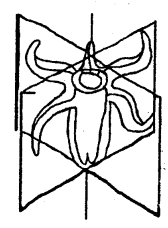
The flower may be actinomorphic (radical symmetry) or zygomorphic (bilateral symmetry) in symmetry.
(a) Actinomorphic: When a flower can be divided into two equal radical halves in any radical plane passing through the centre, it is said to be actino-morphic, e.g., mustard, datura, chilli.
(b) Zygomorphic: When a flower is divided into two similar halves only in one particular vertical plane, it is said to be zygomorphic, e.g., pea, bean, cassia.

Question 14.
Write a short note on the fruit.
Answer:
Fruit is a natural or ripened ovary, developed after fertilization.

Fruit is called a parthenocarpic fruit if it is formed without fertilization of the ovary.

The fruit consists of a wall or pericarp and seeds. The pericarp may be dry or fleshy. If the pericarp is thick and fleshy, it is differentiated into the outer part called epicarp, a middle part called mesocarp and an inner part called the endocarp.

Question 15.
Write a note on the structure of a dicotyledonous seed.
Answer:
The outermost covering of a seed is called the seed coat. The seed coat has two layers, the outer testa and the inner tegmen. The developing seeds are attached to the fruit by means of a scar called the hilum, on the seed coat. A small pore called the micropyle is situated above the hilum. In the inner region of the seed coat is the embryo, consisting of an embryonal axis and two cotyledons. The cotyledons are fleshy and full of reserve food materials. At the end of the embryonal axis are present the radicle and the plumule.

Morphology of Flowering Plants Biology Important Extra Questions Long Answer Type

Question 1.
Write a note on the regions of the root.
Answer:
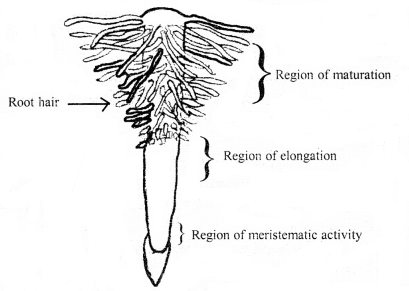
At the apex, the root is covered by a thimble-like structure called the root cap. The root cap protects the tender apex of the root as it penetrates the soil. A few millimetres above the root cap is the region of meristematic activity. The cells present in this region are very small, thin-walled and with dense protoplasm.

The cells proximal to this region undergo rapid elongation and enlargement and are also responsible for the growth of the root in length. This region is called the region of elongation. The cells of this region gradually differentiate and mature. This zone proximal to the region of elongation is called the region of maturation. Some epidermal cells, from this region, form very fine and delicate, thread-like structures called root hairs. The functions of these root hairs are to absorb water and minerals from the soil.
Class 11 Biology Important Questions Chapter 5 Morphology of Flowering Plants 1
The regions of the root-tip

Question 2.
Write a note of different types of leaves and phyllotaxy.
Answer:
When the lamina of the leaf is entire or incised and the incisions do not touch the midrib, the leaf is said to be simple. A leaf is said to be compound when the incisions of the lamina reach up. to the midrib breaking it into a number of leaflets. In both simple and compound leaves a bud is present in the axil of the petiole. However, a bud is not present in the axil of leaflets of the compound leaf.

There are two types of compound leaves:
(a) Pinnately compound leaf
(b) Palmately compound leaf

In a pinnately compound leaf, a number of leaflets are present on a common axis, the rachis, which represents the midrib of the leaf. However in palmately compound leaves, the leaflets are attached at a common point,
i. e, the tip of the petiole.

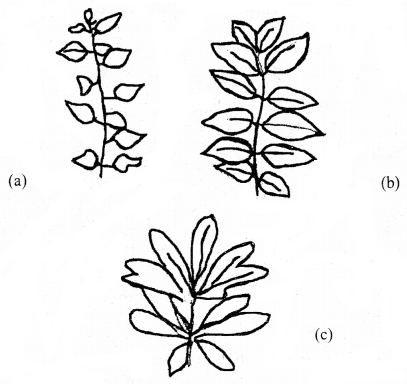
Phyllotaxy refers to the pattern of arrangement of leaves on the stem or branch. Phyllotaxy is of three types alternate, opposite and whorled. A single leaf that arises at each node in an alternate manner is called alternate phyllotaxy, for example, as in china rose. When a pair of leaves arise at each node and lie opposite to each other it is called opposite phyllotaxy, for example in calotropis. If more than two leaves arise at a node and form a whorl it is called whorled phyllotaxy, as in Alstonia.
Class 11 Biology Important Questions Chapter 5 Morphology of Flowering Plants 2
Different types of phyllotaxy: (a) Alternate (b) Opposite(c) Whorled

Question 3.
Write in details about a flower.
Answer:
A flower is a reproductive unit in the angiosperms. It is meant for sexual reproduction. Four different kinds of whorls are found in a flower. These are arranged successively on the swollen end of the stalk or pedicel, called the thalamus or receptacle.

These are calyx, corolla, androecium and gynoecium.
(a) Calyx: It is the outermost whorl of the flower and its members are called sepals. Mostly the sepals are green in colour, leaf-like and protect the flower in the bud stage. The calyx may be gamosepalous (in which sepals are united or polysepalous (in which sepals are free).

(b) Corolla: It is composed of petals that are usually brightly coloured to attract insects for pollination. The shape of the corolla may be tubular, bell-shaped, funnel-shaped or wheel-shaped.

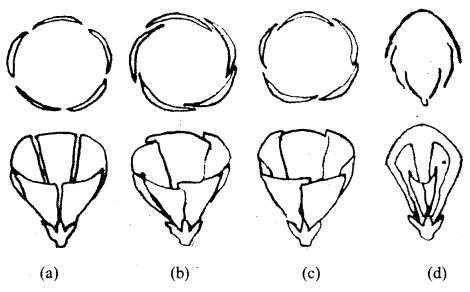
(c) Aestivation: The pattern of arrangement of sepals or petals in the floral bud with respect to the other members of the same whorl is known as aestivation. The main types of aestivation are valvate, twisted, imbricate and vexillary.
Class 11 Biology Important Questions Chapter 5 Morphology of Flowering Plants 3
Types of aestivation in corolla: (a) Valvate (b) Twisted (c) Imbricate (d) Vexillary

(d) Androecium: It is composed of stamens which are male reproductive organs of a flower. Each stamen consists of a stalk or a filament and an anther. Each anther is usually bilobed. There are two chambers (pollen sacs) in each lobe. The pollen grains are produced in pollen sacs.
Class 11 Biology Important Questions Chapter 5 Morphology of Flowering Plants 4
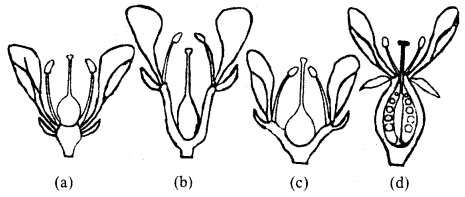
Position of floral parts on thalamus : (a) Hypogynous (b) and (c) Perigynous (d) Epigynous

(e) Gynoecium: It is the female reproductive part of the flower. It is made up of one or more carpels. A carpel consists of three parts ovary, stigma and style. The stigma is at the tip of the style and is the receptive surface for pollen grains. The ovary is an enlarged basal part. The style connects the ovary to the stigma. Each ovary bears one or more ovules attached to a flattened, cushion-like placenta.

A flower may be trimerous tetramerous or pentamerous when the floral appendages are in multiples of 3, 4 and 5 respectively.

The flowers are described as hypogynous perigynous and epigynous based on the position of calyx, corolla and androecium in respect of the ovary on the thalamus.

Animal Kingdom Class 11 Important Extra Questions Biology Chapter 4

Here we are providing Class 11 Biology Important Extra Questions and Answers Chapter 4 Animal Kingdom. Important Questions for Class 11 Biology are the best resource for students which helps in Class 11 board exams.

Class 11 Biology Chapter 4 Important Extra Questions Animal Kingdom

Animal Kingdom Important Extra Questions Very Short Answer Type

Question 1.
List the levels or grades of the organization
Answer:

  1. Cellular level
  2. Tissue level
  3. Organ level
  4. Organ- system level

Question 2.
Define the term incomplete digestive system.
Answer:
An incomplete digestive system has only a single opening to the outside of the body that serves as both mouth and anus.

Question 3.
Define the term complete digestive system.
Answer:
A complete digestive system has two openings, mouth, and anus.

Question 4.
Define the term open-type circulatory system.
Answer:
Open type, with the blood being pumped out of the heart and bathing the cells and tissues.

Question 5.
Define the term closed type circulatory system.
Answer:
Closed type, in which the blood is circulated through a series of tubes of varying diameters (arteries, veins, and capillaries)

Question 6.
Define radial symmetry.
Answer:
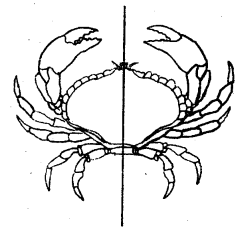
When any plane passing through the central axis of the body- divides the organism (like spokes of a bicycle wheel) into halves that approximately mirror images, it is called radial symmetry:

Question 7.
Define the bilateral symmetry
Answer:
Animals like annelids, arthropods, etc., where the body can be divided into identical left and right halves in only one plane, exhibit bilateral symmetry.

Question 8.
What is the diploblastic organization?
Answer:
Animals, in which the cells are arranged into two embryonic layers, external ectoderm and internal endoderm, are called diploblastic animals.

Question 9.
What is the triploblastic organization?
Answer:
Those animals in which the developing embryo has a third germinal layer, mesoderm, in between the ectoderm and endoderm are called triploblastic animals.

Question 10.
Define the coelom.
Answer:
The body cavity is lined by a mesoderm is called coelom.

Question 11.
Define the coelomates.
Answer:
Animals possessing coelom are called coelomates.

Question 12.
Define the acoelomates.
Answer:
The animals in which the body cavity is absent are called acoelomates.

Question 13.
What are pseudocoelomates?
Answer:
Such a body cavity is called pseudocolor and the animals possessing them are called pseudocoelomates.

Question 14.
Define metamerism.
Answer:
In some animals, the body has many segments, which show serial repetition of parts. This kind of segmentation is called metameric segmen¬tation, and the phenomenon is known as metamerism.

Question 15.
Name the major groups of the animals.
Answer:

  1. Invertebrates and
  2. Vertebrates

Question 16.
What are non-chordates and chordates?
Answer:
Animals are also grouped into nonchordates and chordates.

Question 17.
What are the sponges?
Answer:
Members of the Porifera phylum are commonly known as sponges.

Question 18.
Define the terms polyp and medusa.
Answer:
Cnidarians exhibit two basic body forms called polyp and medusa.

Question 19.
What is brain ganglion?
Answer:
Hooks and suckers possess a concentration of nervous tissue in the head called the brain ganglion.

Question 20.
Define the flame cells.
Answer:
Specialized cells called flame cells help in osmoregulation and excretion.

Question 21.
List the examples of Arthropoda.
Answer:
Charaxes (Butterfly), Musca (Housefly), Anax (Dragonfly), Lepisma (silverfish), Periplaneta (Cockroach) Apis (Bee), Buthus (Scorpion).

Question 22.
Give comments on Hemichordata in one sentence.
Answer:
Recently, M.J. (2005) has two placed Hemichordata as a phylum under Invertebrata.

Question 23.
Write one difference in chordates and non-chordates.
Answer:
Cordates, heart is ventral, non-chordates, heart is dorsal.

Question 24.
Give examples of Cyclostomata.
Answer:
Petromyzon (Lamprey) and Myxine (Hagfish)

Question 25.
Define colacal aperture.
Answer:
Alimentary canal, urinary and reproductive tracts open into a common chamber called the cloaca, which opens to the exterior through an aperture called cloaca! aperture.

Animal Kingdom Biology Important Extra Questions Short Answer Type

Question 1.
Discuss the level or grades of the organization.
Answer:
The kingdom Animalia includes multicellular heterotrophic animals, which exhibit different levels of organization as given below.

Cellular LevelAnimal such as sponges, which are loose associations of cells, fall into this group. Some division of labor (activities) occurs among the cells, but these cells do not organize themselves into a definite tissue.

Tissue Level Animals that have certain cells grouped together to form specific tissue are placed in this group, e.g. cnidarians and ctenophores.

Organ Level This is observed in animals that have different kinds of tissues organized into distinct organs each specialized for a particular function, e.g. some platyhelminths.

Organ-system Level Animals that have organs grouped together into functional systems, each system primarily concerned with a specific function are placed in this group, e.g., some platyhelminths, annelids, mollusks, arthropods, echinoderms, and chordates.

Question 2.
Discuss the types of patterns in the organ system.
Answer:
Various patterns of the complexity of organ systems serve as one of the useful criteria in classifying animals. For example, the digestive system may be absent, incomplete, or complete. An incomplete digestive system has only a single opening to the outside of the body that serves as both mouth and anus. A complete digestive system has two openings, mouth, and anus.

Similarly, the circulatory system may be of two types

  1. Open type, with the blood being pumped out of the heart and bathing the cells and tissues directly or,
  2. Closed Type, in which the blood is circulated through a series of tubes of varying diameters (arteries, veins, and capillaries).

Question 3.
Define radial symmetry and bilateral symmetry.
Answer:
Animals can be grouped into two categories based on symmetry. When any plane passing through the central axis of the body divides the organism (like spokes of a bicycle wheel) into halves that approximately mirror images, it is called radial symmetry. Cnidarians, ctenophores, and echinoderms have this kind of body plan (a).
Class 11 Biology Important Questions Chapter 4 Animal Kingdom 1
(a) Radial symmetry

Animals like annelids, arthropods, etc (b), where the body can be divided into identical left and right halves in only one plane, exhibit bilateral symmetry.
Class 11 Biology Important Questions Chapter 4 Animal Kingdom 2
(b) Bilateral symmetry

Question 4.
Define the diploblastic and triploblastic organization.
Answer:
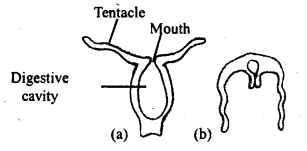
Animals, in which the cells are arranged into two embryonic layers, external ectoderm and internal endoderm, are called diploblastic animals in the below figure. Those animals in which the developing embryo has a third germinal layer, mesoderm, in between the ectoderm and endoderm are called triploblastic animals.
Class 11 Biology Important Questions Chapter 4 Animal Kingdom 3
Showing germinal layers: (a) Diplobiastic (b) Triploblastic

Question 5.
Outline the role of body cavity and coelom in animals.
Answer:
The nature of the space (body cavity) between the body wall and alimentary canal is very important in the classification. The body cavity, which is lined by mesoderm is called a column. Animals possessing coelom are called coelomates (e.g. annelids, mollusks, arthropods, echinoderms,
Class 11 Biology Important Questions Chapter 4 Animal Kingdom 4
(a) Diagrammatic sectional view of Coelomate

Class 11 Biology Important Questions Chapter 4 Animal Kingdom 5
(b) Diagrammatic sectional view of Pseudocoelomate

Class 11 Biology Important Questions Chapter 4 Animal Kingdom 6
(c) Diagrammatic sectional view of Aceolomate

hemichordates and chordates) (a). The animals in which the body cavity is absent are called acoelomates (e.g., platyhelminths) (c). In some animals, the body cavity is not lined by mesoderm. Instead, the mesoderm is present as scattered pouches in between the ectoderm and endoderm. Such a body cavity is called pseudocolor and the animals possing them are called pseudocoelomates (e.g., as helminths) (b)

Question 6.
Define metamerism.
Answer:
In some animals (e.g., earthworm), the body has many segments, which show serial repetition of parts (like railway compartment). This kind of segmentation is called metameric segmentation, and the phenomenon is known as metamerism.

Question 7.
Draw the diagram broad classification of Kingdom Animalia based on common fundamental features.
Answer:
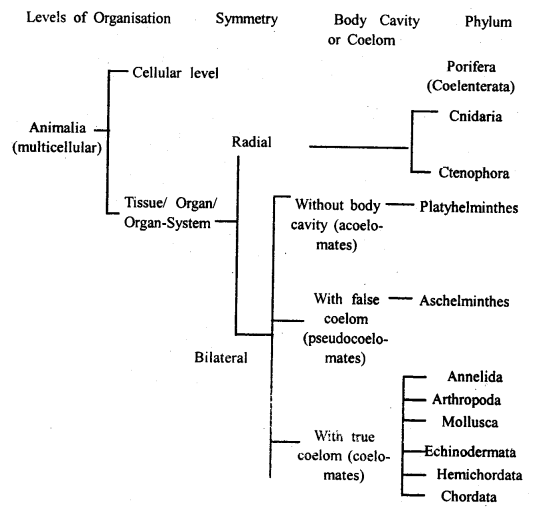
Class 11 Biology Important Questions Chapter 4 Animal Kingdom 7

Question 8.
Describe the phylum Cnidaria.
Answer:
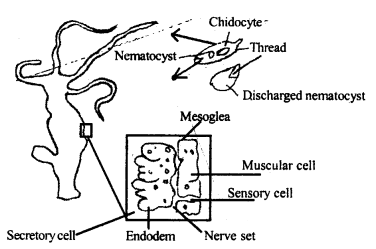
Cnidaria is aquatic, mostly marine, sessile, or free-swimming animals. The phylum name is derived from the stinging cells (nematocysts) or cnidoblasts present on the ectoderm of tentacles and on the body of these carnivorous animals. Cnidoblasts are used for anchorage, defense, and for capture of prey. Cnidarians exhibit tissue level of organization and exhibit radial symmetry. They are diploblastic.

The digestive system is incomplete. They have a central gastro-vascular cavity with a single opening, mouth. Digestion is extracellular and intracellular. Some of the cnidarians, e.g., corals, have skeletons composed of calcium carbonate.

Cnidarians exhibit two basic body forms called a polyp (e.g., Hydra) and medusa (e.g., Auralia). The former, a sessile and cylindrical form, whereas, the latter, umbrella-shaped and free-swimming. Those cnidarians which exist in both forms exhibit alternation of generation, i.e. polyps asexually produce medusae and medusae forming the polyps sexually (e.g., Ophelia)

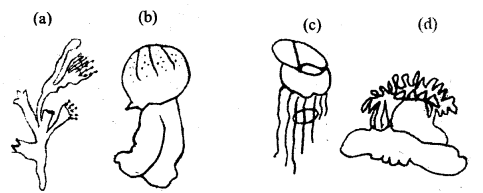
Examples of cnidaria: Hydra, Porpita, Vellala, Physalia (Portuguese man-of-war), Aurelia (Jellyfish), Adamisia (Sea anemone), Pennatula (Sea- pen), Gorgonia (Sea-fan), and Meandrina (Brain coral).
Class 11 Biology Important Questions Chapter 4 Animal Kingdom 8
Some cnidarians (a) Obelia (b) Jellyfish (c) Physalia (d) Sea anemone
Class 11 Biology Important Questions Chapter 4 Animal Kingdom 9
Polyp and medusa body from (a) sessile poy (b) swimming medusa
Class 11 Biology Important Questions Chapter 4 Animal Kingdom 10
Structure of Hydra

Question 9.
Distinguish between the Chordates and Non-Chordates.
Answer:

ChordatesNon-Chordates
1. Notochord present.1. Notochord absent.
2. Central nervous system is dorsal, hollow, and single.2. Central nervous system is ventral solid and double.
3. Pharynx perforated by gill slices3. Gill slits are absent.
4. Heart is ventral.4. Heart is dorsal.
5. A post-anal (tail) is present.5. Past-anal tail is absent.

Question 10.
Explain the class amphibia.
Answer:
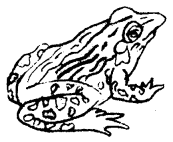
As their name indicates (Gr. Amphi, dual, double + bios, life), most amphibians can exist in aquatic as well as terrestrial habitats. Most of them have two pairs of limbs. The body is divisible into the head and trunk; the tail may be present in some. The amphibian skin is moist (without scales). The eyes have eyelids. A tympanum represents the ear.

The alimentary canal, urinary and reproductive tracts open into a common chamber called the cloaca, which opens to the exterior through an aperture called the cloacal aperture. Respiration may be by gills, lungs, or through the skin. The heart is three-chambered (2 auricles and 1 ventricle). These are cold-blooded animals.

Sexes are separate Fertilization is external. They are oviparous and development is direct or indirect.

Examples of Amphibia: Bufo (Toad), Rana (Frog), Hyla (Tree frog),

Salamandra (Salamander), Ichthyophis (Limbless amphibia).
Class 11 Biology Important Questions Chapter 4 Animal Kingdom 11
Frog

Question 11.
Describe the class Reptilia.
Answer:
The class name refers to their creeping or crawling mode of locomotion. They are mostly terrestrial animals with a body covered by dry and cornified skin, epidermal scales, or scutes. They do not have external ear openings. Limbs, when present, are two pairs. The heart is usually three-chambered, but four-chambered in crocodiles, Reptiles are cold-blooded animals. The excretory organ is the kidney. Snakes and lizards shed their scales as skin cast.

Sexes are separate. Fertilization is internal. They are oviparous and development is direct.

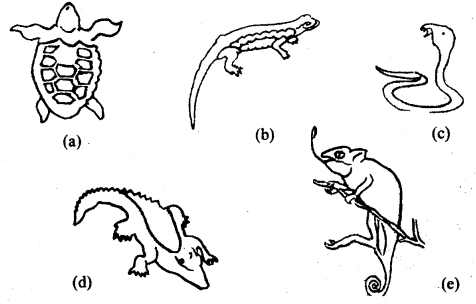
Examples of Reptilia T Chelone (Turtle), Testudo (Tortoise), Chameleon (Tree lizard), Calotes (Garden lizard), Naja (Cobra), Crocodilus (Croco¬dile), Aligator (Alligator).
Class 11 Biology Important Questions Chapter 4 Animal Kingdom 12
(a) Tortoise, (b) Monitor (Indian goh) (c) Naja (d) Crocodile (e) Chameleon

Question 12.
Explain the important characteristics of Mammalia.
Answer:
Mammalia is generally terrestrial, found in a variety of habitats- polar ice caps, deserts, mountains, forests, grasslands, and dark cover. Some of them have even adapted to fly or live in water. The most unique mammalian characteristic is the presence of milk-producing glands (mammary glands) by which the young ones are nourished.

Mammalia has two pairs of limbs, which are variously adapted for walking, running, climbing, burrowing, swimming, and flying. The skin of mammals is unique in possessing hairs. External ears or pinnae are present. Different types of teeth are present in the jaw. The heart is four-chambered. The lungs are well developed. Mammals show the greatest intelligence among all the animals.

Sexes are separate and fertilization is internal. They are viviparous with few exceptions and development is direct.

Some mammals:
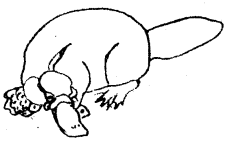
Class 11 Biology Important Questions Chapter 4 Animal Kingdom 13
Ornithorhynchus
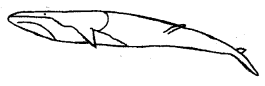
Class 11 Biology Important Questions Chapter 4 Animal Kingdom 14
Balaenoptera
Class 11 Biology Important Questions Chapter 4 Animal Kingdom 15
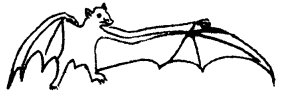
Pteropus
Class 11 Biology Important Questions Chapter 4 Animal Kingdom 16
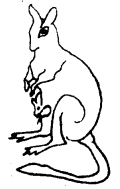
Macropus

Question 13.
Describe the main characteristic of class-Aves.
Answer:
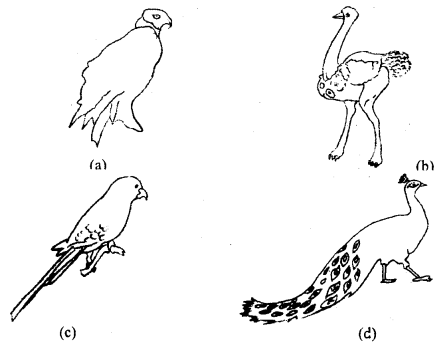
The characteristic features of birds are the presence of feathers and most of them can fly with few exceptions, generally called flightless birds (e.g. Ostrich). They possess beak. The forelimbs are modified into wings. The hind limbs generally have scales and are modified for walking, swimming, or clasping the tree branches. Skin is dry without glands except for the oil gland at the base of the tail. The endoskeleton is fully ossified (bony) and the long bones are hollow with air cavities.

The digestive tract of birds has additional chambers, the crop, and the gizzard. The heart is completely four-chambered. They are warm-blooded (homeotherms) animals, i.e., they are able to maintain constant body temperature. Respiration is by lungs that contain air sacs. Birds have a good sense of sight. The excretory organ is a kidney.

Sexes are separate. Fertilization is internal. They are oviparous and development is direct. Examples of Aves are Corvus (crow), Columba (pigeon), Prittacula (parrot), Struthio (Ostrich) Paver (Peacock), Aptenodytes (Penguin)

Class 11 Biology Important Questions Chapter 4 Animal Kingdom 17
Some birds : (a) Neophron (b) Struthio (c) Psittacula (d) Pavo

Question 14.
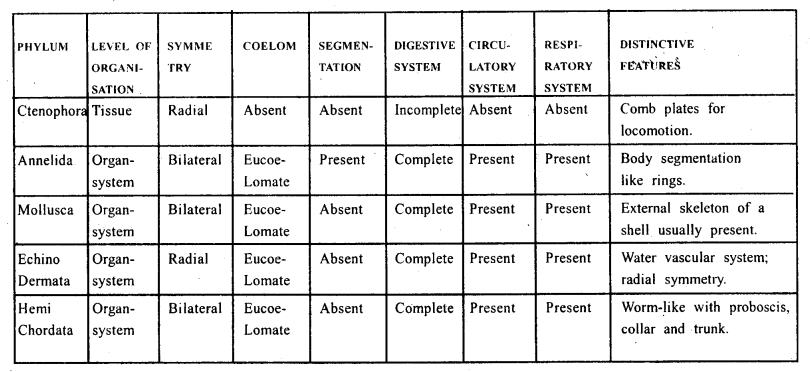
Write some basic characterize- features of the following Phyla:
Ctenophora, Annelida, Mo.llusca, Echino Desmata and Hemichordata.
Answer:
Represents some basic characteristic features of different phyla.
Class 11 Biology Important Questions Chapter 4 Animal Kingdom 18

Question 15.
Draw the diagram of the classification of phylum Chordata.
Answer:
Class 11 Biology Important Questions Chapter 4 Animal Kingdom 19
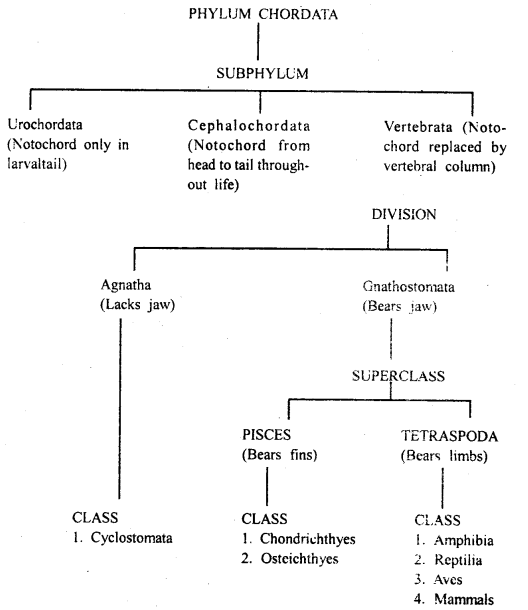
Classification of phylum Chordata

Animal Kingdom Biology Important Extra Questions Long Answer Type

Question 1.
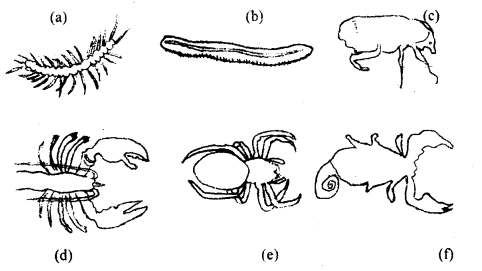
Describe the phylum Arthropods.
Answer:
The phylum Arthropoda is the largest phylum of the animal kingdom consisting of more than 900,000 species, which include many economically important insects.

  1. They have an organ-system level of body organization. They are bilaterally symmetrical, triploblastic, segmented, and acoelomate animals.
  2. The body of arthropods is covered by a chitinous cuticle which forms the exoskeleton. The body segments are fused to form the head, thorax, and abdomen.
  3. They have jointed appendages. The appendages are variously modified to form antennae, mouthparts, pincers (chelicerae), or walking legs.
  4. The digestive system is complete.
  5. Respiratory organs are gills, book gills, book lungs, or tracheal system.
  6. The circulatory system is open type.
  7. The nervous system is almost similar to that of the annelids. Sensory organs include antennae for perceiving odor, receptors for taste, eyes (compound and simple), statocysts or balance, organs, and sound receptors.
  8. Excretion takes place through green glands or malpighian tubules.
  9. They are mostly dioecious. Reproduction is sexual. Fertilization is usually internal. They are mostly oviparous.

Development may be direct or indirect, passing through many larval stages. The process of transformation of a larva into an adult is called metamorphosis.
Class 11 Biology Important Questions Chapter 4 Animal Kingdom 20
Some common arthropods (a) Centipede (b) Millipede (c) Beetle (d) Prawn (e) Spider and (f) Scorpian

Examples of Arthropoda: Araneus (Garden spides), Limulus (King crab),

Buthus (Scorpion), Scolopendra (Centipede), Cancer (Common crab), Balanus (Barnacle), Lepisma (Silverfish), Periplaneta (Cockroach), Apis (Bee) Anopheles (Mosquito), Musca (Housefly), Charaxes (Butterfly), Attelabus (Beetle), Locusta (Locust) and An ax (Dragonfly).

Question 2.
Describe the phylum Porifera.
Answer:
Members of this phylum are commonly known as sponges. They are generally marine, diploblastic bilaterally symmetrical with a significant water transport mechanism. They are considered as very primitive multi-cellular animals and have a cellular level of organization.

Water can enter through minute pores (Ostia) in the body wall directly or through the canal into a central cavity, spongocoel, from where it goes out through the osculum.

This pathway of water transport is called the canal system and is helpful in food gathering, respiratory exchange, and removal of water. Choanocytes or collar cells line the spongocoel and the canals. Digestion is intracellular. The body is supported by a skeleton made up of spicules or spongin fibers.

Sexes are not separate (monoecious/hermaphrodite/bisexual), i.e., eggs and sperms are produced by the same individual. Sponges reproduce asexually by fragmentation and sexually by the formation of gametes. Fertilization is internal and development is indirect having a larval stage that is morphologically distinct from the adult.

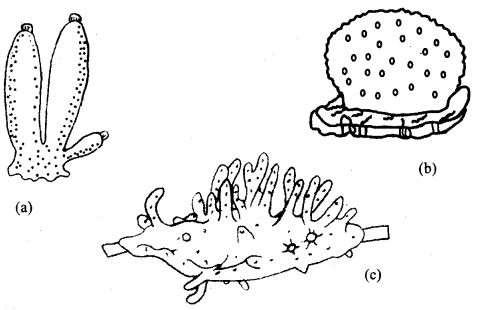
Examples of Porifera are Sycon (Scypha), Spongilla, Chalina, (Dead man’s finger), and Euspongia (Bath sponge)
Class 11 Biology Important Questions Chapter 4 Animal Kingdom 21
Examples for Porifera: (a) Sycon (b) Euspongia (c) Spongilla

Class 10 Sanskrit Grammar Book Solutions समयलेखनम्

We have given detailed NCERT Solutions for Class 10 Sanskrit Grammar Book समयलेखनम् Questions and Answers come in handy for quickly completing your homework.

Sanskrit Vyakaran Class 10 Solutions समयलेखनम्

अभ्यास:

प्रश्न 1.
भवान् ग्रीष्मावकाशे दिल्लीतः प्रयागराजम् गन्तुम् इच्छति, तत्र किं किं रेलयानम् कतिवादने गच्छति इति अधः घटिकां दृष्ट्वा तत्प्रस्थानकालम् रिक्तस्थाने निर्दिशत-

यथा-
7:15 A.M.
Class 10 Sanskrit Grammar Book Solutions समयलेखनम् Q1
‘पुरी एक्सप्रेस’ प्रातः पादोनसप्तवादने।

8:00 A.M.
Class 10 Sanskrit Grammar Book Solutions समयलेखनम् Q1.1
(i) ‘कालका मेल’ प्रातः __________ वादने।

3:30 P.M.
Class 10 Sanskrit Grammar Book Solutions समयलेखनम् Q1.2
(ii) ‘जनता एक्सप्रेस’ अपराह्ने __________ वादने।

9:30P.M.
Class 10 Sanskrit Grammar Book Solutions समयलेखनम् Q1.3
(iii) ‘प्रयागराज-एक्सप्रेस’ रात्री __________ वादने।

10:15 P.M.
Class 10 Sanskrit Grammar Book Solutions समयलेखनम् Q1.4
(iv) ‘दिल्ली-हावड़ा मेल’ रात्रौ __________ वादने।
उत्तराणि:
(i) अष्ट
(ii) सार्धत्रि
(iii) सार्ध नव
(iv) सपाद-दश।

प्रश्न 2.
भवतः विद्यालये बालसभा अस्ति। तत्र कः कार्यक्रमः कतिवादने भविष्यति इति घटिकां दृष्ट्वा रिक्तस्थाने लिखत।

यथा-
7:30
Class 10 Sanskrit Grammar Book Solutions समयलेखनम् Q2
प्रातः सार्धसप्तवादने सरस्वती प्रार्थना गीतानि च।

7:45
Class 10 Sanskrit Grammar Book Solutions समयलेखनम् Q2.1
(i) प्रात: __________ वाद-विवाद प्रतियोगिताया: उद्घाटनम्।

8:00
Class 10 Sanskrit Grammar Book Solutions समयलेखनम् Q2.2
(ii) __________ वादने निर्णायकैः टिप्पणयः।

11:15
Class 10 Sanskrit Grammar Book Solutions समयलेखनम् Q2.3
__________ वादने प्राचार्येण निर्णस्य घोषणा।

11:30
Class 10 Sanskrit Grammar Book Solutions समयलेखनम् Q2.4
(iv) ततः __________ वादने धन्यवाद्-ज्ञापनम्।
उत्तराणि:
(i) पादोन-अष्टवादने
(ii) अष्टवादने
(iii) सपाद-एकादश-वादने
(iv) सार्धएकादशवादने।

प्रश्न 3.
भवतः विद्यालयस्य वार्षिकोत्सवः अस्ति। तत्र कः कार्यक्रमः कतिवादने भविष्यति इति समयं दृष्ट्वा रिक्तस्थाने लिखत।

यथा-
9:00
Class 10 Sanskrit Grammar Book Solutions समयलेखनम् Q3
प्रातः नववादने अतिथीनां स्वागतम्।

9:15
Class 10 Sanskrit Grammar Book Solutions समयलेखनम् Q3.1
(i) प्रातः __________ वादने सरस्वती-वन्दना।

9:30
Class 10 Sanskrit Grammar Book Solutions समयलेखनम् Q3.2
__________ वादने सांस्कृतिक-कार्यक्रमः।

10:45
Class 10 Sanskrit Grammar Book Solutions समयलेखनम् Q3.3
(iii) प्रात: __________ वादने प्रधानाचार्येण वार्षिकविवरणस्य प्रस्तुतीकरणम्।

11:00
Class 10 Sanskrit Grammar Book Solutions समयलेखनम् Q3.4
(iv) प्रातः __________ मुख्यातिथिना पुरस्कारवितरणम्।
उत्तराणि:
(i) सपादनववादने
(ii) सार्धनववादने
(iii) पादोन-एकादशवादने
(iv) एकादशवादने।

प्रश्न 4.
कोष्ठके दत्तं समयं संस्कृतेन लिखत यत् तव पितामही कदा किं कार्यं करोति-

यथा-
(9:00) – मम पितामही रात्रौ नववादने स्वपिति।
(5:00) – (i) सा प्रातः __________ वादने उत्तिष्ठति।
(6:30) – (ii) __________ वादने ईशवन्दनां करोति।
(2:15) – (iii) यदा अहम् __________ वादने विद्यालयतः आगच्छमि सा मया सह भोजनं करोति।
(2:45) – (iv) __________ वादने विश्राम करोति।
उत्तराणि:
(i) पञ्च
(ii) सार्धषड्
(iii) सपादद्वि
(iv) पादोनत्रि।

प्रश्न 5.
भवतः विद्यालयस्य संस्कृतश्लोकोच्चारण-प्रतियोगिता अस्ति। तत्र कः कार्यक्रमः कतिवादने भविष्यति इति कोष्ठके दत्तम् संस्कृतेन समयं रिक्तस्थाने लिखत-

यथा-
(9:30) – सार्धनववादनपर्यन्तम् सर्वे प्रतियोगिनः सभागारे उपस्थिताः भविष्यन्ति।
(10:15) – (i) प्रात: __________ वादने दीपप्रज्वालनं सरस्वतीवन्दना च।
(10:30) – (ii) प्रातः __________ वादने श्लोकप्रतियोगितायाः उद्घाटनम्।
(12:45) – (iii) प्रातः __________ निर्णस्य घोषणा।
(1:00) – (iv) प्रातः __________ पुरस्कारवितरणम् धन्यवादज्ञापनम् च।
उत्तराणि:
(i) सपाददश
(ii) सार्धदश
(iii) पादोन-एकवादने
(iv) एकवादने।

प्रश्न 6.
दूरदर्शने संस्कृतस्य कार्यक्रमः भाषामन्दाकिनी-चैनले प्रातः सार्धषड्वादने (6.30) प्रारभते। एकस्मिन् दिने कार्यक्रमः इत्थं प्रकाशितः समयं दृष्ट्वा रिक्तस्थानपूर्तिं कृत्वा वाक्यानि पुनः लिखत-
7:00
Class 10 Sanskrit Grammar Book Solutions समयलेखनम् Q6
(i) प्रातः __________ वादने “शिक्षकः” तस्य रचनात्मकता च।

7:15
Class 10 Sanskrit Grammar Book Solutions समयलेखनम् Q6.1
(ii) __________ वादने ‘काव्यानि’।

7:45
Class 10 Sanskrit Grammar Book Solutions समयलेखनम् Q6.2
(iii) प्रातः __________ वादने ‘आलेख-लेखनम्’।

8:30
Class 10 Sanskrit Grammar Book Solutions समयलेखनम् Q6.3
(iv) प्रातः __________ वादने कार्यक्रमः समाप्तः भविष्यति।
उत्तराणि:
(i) सप्त
(ii) सपादसप्त
(iii) पादोनाष्ट
(iv) सार्धाष्ट।

प्रश्न 7.
एकदा अस्माकं विद्यायालये क्षेत्रीय-स्तरकाव्यालिः प्रतियोगिता आयोजिता। अधः समयं दृष्ट्वा शब्देषु समयं लिखित्वा कार्यक्रमं पुनः उत्तरपुस्तिकायां लिखत।

9:30
Class 10 Sanskrit Grammar Book Solutions समयलेखनम् Q7
(i) पञ्जीकरणं प्रातः __________ प्रारभत।

10:15
Class 10 Sanskrit Grammar Book Solutions समयलेखनम् Q7.1
(ii) काव्यालिप्रतियोगिता __________ आरभत।

11:45
Class 10 Sanskrit Grammar Book Solutions समयलेखनम् Q7.2
(iii) चायपानं __________ अभवत्।

1:00
Class 10 Sanskrit Grammar Book Solutions समयलेखनम् Q7.3
(iv) __________ प्रतियोगिता समाप्ता जाता।
उत्तराणि:
(i) सार्धनववादने
(ii) सपाददशवादने
(iii) पादोन-द्वादशवादने
(iv) एकवादने।

प्रश्न 8.
दूरदर्शने चैनले विविध-समाचाराणां प्रसारणसमयः लिखितः। समय-सारिणीं दृष्ट्वा रिक्तस्थानपूर्ति कृत्वा उत्तरपुस्तिकायां लिखत-
दूरदर्शनस्य समाचाराणां समयसारिणी
Class 10 Sanskrit Grammar Book Solutions समयलेखनम् Q8
(i) उर्दूसमाचाराः __________ वादने प्रसार्यन्ते।
(ii) समय सारिणी-अनुसारं संस्कृतसमाचाराणां प्रसारणं __________ वादने भवति।
(iii) हिन्दीसमाचाराः __________ वादने प्रसारिताः भवन्ति।
(iv) आंग्लसमाचाराणां प्रसारणसमयः __________ वादने अस्ति।
उत्तराणि:
(i) पादोनत्रि
(ii) दश
(iii) सार्ध-अष्ट
(iv) सपादति।

प्रश्न 9.
घटिकां दृष्ट्वा रिक्तस्थानेषु लिखत, विकासः कदा किं-किं करोति?

यथा-
Class 10 Sanskrit Grammar Book Solutions समयलेखनम् Q9
विकासः प्रातः सार्धचतुर्वादने उत्तिष्ठति।
Class 10 Sanskrit Grammar Book Solutions समयलेखनम् Q9.1
(i) सः नित्यं __________ वादने भ्रमणाय गच्छति।
Class 10 Sanskrit Grammar Book Solutions समयलेखनम् Q9.2
(ii) सः प्रातः __________ वादने विद्यालयं गच्छति।
Class 10 Sanskrit Grammar Book Solutions समयलेखनम् Q9.3
(iii) विकासः __________ वादने विद्यालयात् आगच्छति।
Class 10 Sanskrit Grammar Book Solutions समयलेखनम् Q9.4
(iv) सः रात्रौ __________ वादने स्वपिति।
उत्तराणि:
(i) पञ्च
(ii) सार्धसप्त
(iii) सपाद एक
(iv) दश।

प्रश्न 10.
घटिकां दृष्ट्वा लिखत, अनिलः कदा किं-किं आचरति?
Class 10 Sanskrit Grammar Book Solutions समयलेखनम् Q10
(i) सः प्रातः __________ वादने व्यायाम करोति।
Class 10 Sanskrit Grammar Book Solutions समयलेखनम् Q10.1
(ii) सः __________ वादने विद्यायालयं गच्छति।
Class 10 Sanskrit Grammar Book Solutions समयलेखनम् Q10.2
(iii) सः __________ वादने गृहम् आगच्छति।
Class 10 Sanskrit Grammar Book Solutions समयलेखनम् Q10.3
(iv) अनिलः सायं __________ वादने उद्याने क्रीडति।
उत्तराणि:
(i) षट्
(ii) अष्ट
(ii) सार्धत्रि
(iv) पञ्च।

प्रश्न 11.
घटिकां दृष्ट्वा रिक्तस्थानेषु लिखत, मोहितः कदा किं-किं करोति?

यथा-
Class 10 Sanskrit Grammar Book Solutions समयलेखनम् Q11
मोहितः साय: पञ्चवादने क्रीडति।
Class 10 Sanskrit Grammar Book Solutions समयलेखनम् Q11.1
(i) सः प्रातः __________ वादने उत्तिष्ठति।
Class 10 Sanskrit Grammar Book Solutions समयलेखनम् Q11.2
(ii) सः __________ वादने प्रातराशं करोति।
Class 10 Sanskrit Grammar Book Solutions समयलेखनम् Q11.3
(iii) सः __________ वादने विद्यायालयात् आगच्छति।
Class 10 Sanskrit Grammar Book Solutions समयलेखनम् Q11.4
(iv) सः __________ वादने गृहकार्यं करोति।
उत्तराणि:
(i) षड्
(ii) सार्धअष्ट
(iii) सार्धद्वि
(iv) चतुर्।

प्रश्न 12.
घटिकां दृष्ट्वा रिक्तस्थानेषु लिखत, सुधा कदा किं-किं करोति?

यथा-
Class 10 Sanskrit Grammar Book Solutions समयलेखनम् Q12
सुधा सायं षड्वादने क्रीडति।
Class 10 Sanskrit Grammar Book Solutions समयलेखनम् Q12.1
(i) सा नित्यं __________ वादने उत्तिष्ठति।
Class 10 Sanskrit Grammar Book Solutions समयलेखनम् Q12.2
(ii) सा प्रातः __________ वादने भ्रमणाय गच्छति।
Class 10 Sanskrit Grammar Book Solutions समयलेखनम् Q12.3
(iii) सा __________ वादने विद्यालयं गच्छति।
Class 10 Sanskrit Grammar Book Solutions समयलेखनम् Q12.4
(iv) सा __________ वादने विद्यायालयात् आगच्छति।
उत्तराणि:
(i) पञ्च
(ii) सार्धपञ्च
(iii) अष्ट
(iv) द्वि।

प्रश्न 13.
उदाहरणानुसारं समयं दृष्ट्वा लिखत यत् रेलयानं कतिवादने प्रस्थानं करिष्यति-

यथा-
Class 10 Sanskrit Grammar Book Solutions समयलेखनम् Q13
12:15 P.M. (मध्याह्न) यथा-मध्याह्ने सपादद्वादशवादने।
(i)
Class 10 Sanskrit Grammar Book Solutions समयलेखनम् Q13.1
4:15 P.M. (मध्याह्ने) मध्याह्ने __________ वादने।

(ii)
Class 10 Sanskrit Grammar Book Solutions समयलेखनम् Q13.2
7:00 A.M. (प्रात:) प्रातः __________ वादने।

(iii)
Class 10 Sanskrit Grammar Book Solutions समयलेखनम् Q13.3
1:30 P.M. (मध्याह्न) मध्याह्ने __________ वादने।

(iv)
Class 10 Sanskrit Grammar Book Solutions समयलेखनम् Q13.4
10:45 A.M. (प्रातः) प्रातः __________ वादने।

(v)
Class 10 Sanskrit Grammar Book Solutions समयलेखनम् Q13.5
2:30 P.M. (मध्याह्ने) मध्याह्ने __________ वादने।

(vi)
Class 10 Sanskrit Grammar Book Solutions समयलेखनम् Q13.6
8:00 A.M. (प्रात:) प्रातः __________ वादने।

(vii)
Class 10 Sanskrit Grammar Book Solutions समयलेखनम् Q13.7
1:15 P.M. (मध्याह्न) मध्याह्ने __________ वादने।

(viii)
Class 10 Sanskrit Grammar Book Solutions समयलेखनम् Q13.8
10:30 A.M. (प्रातः) प्रातः __________ वादने।
उत्तराणि-
(i) सपादचतुर्
(ii) सप्त
(iii) सार्ध-एक
(iv) पादोन-एकादश।
(v) सार्ध-द्वि
(vi) अष्ट
(vii) सपाद-एक
(viii) सार्ध-दश।

प्रश्न 14.
उदाहरणानुसारं समयं दृष्ट्वा लिखत, यत् बसयानं कति वादने प्रस्थानं करिष्यति-

यथा-
Class 10 Sanskrit Grammar Book Solutions समयलेखनम् Q14
9:30 A.M. (प्रातः)प्रातः सार्धनव वादने। – उदाहरणम्

(i)
Class 10 Sanskrit Grammar Book Solutions समयलेखनम् Q14.1
5:15 A.M. (प्रातः) प्रातः __________ वादने।

(ii)
Class 10 Sanskrit Grammar Book Solutions समयलेखनम् Q14.2
11:00 P.M. (सायम्) सायम् __________ वादने।

(iii)
Class 10 Sanskrit Grammar Book Solutions समयलेखनम् Q14.3
3:45 P.M. (सायम्) सायम् __________ वादने।

(iv)
Class 10 Sanskrit Grammar Book Solutions समयलेखनम् Q14.4
8:00 P.M. (सायम्) सायम् __________ वादने।
उत्तराणि:
(i) सपाद पञ्च
(ii) एकादश
(iii) पादोनचतुर्
(iv) अष्ट।

प्रश्न 15.
उदाहरणानुसारं समयं दृष्ट्वा स्वदिनचर्यां वर्णय-

यथा-
6:00 A.M. (प्रातः)
Class 10 Sanskrit Grammar Book Solutions समयलेखनम् Q15
प्रातः षड्वादने शय्या त्यजामि। – उदाहरणम्

7:15 A.M. (प्रातः)
Class 10 Sanskrit Grammar Book Solutions समयलेखनम् Q15.1
(i) प्रात: __________ वादने विद्यायालयम् गच्छामि।

12:45 P.M. (मध्याह्न)
Class 10 Sanskrit Grammar Book Solutions समयलेखनम् Q15.2
(ii) मध्याह्ने __________ वादने विद्यायालयात् गृहम् आगच्छामि।

2:30 P.M. (मध्याह्ने)
Class 10 Sanskrit Grammar Book Solutions समयलेखनम् Q15.3
(iii) मध्याह्ने __________ वादने क्रीडायै गच्छामि।

9:00 P.M. (रात्रौ)
Class 10 Sanskrit Grammar Book Solutions समयलेखनम् Q15.4
(iv) रात्रौ __________ वादने भोजनं करोमि।
उत्तराणि:
(i) सपाद-सप्त
(ii) पादोन एक
(iii) सार्धद्वि
(iv) नव।

प्रश्न 16.
उदाहरणानुसारं समयं दृष्ट्वा लिखत, यत्क्रीडायाः आरंभः कदा भविष्यति?

यथा- 11:15 A.M. (प्रातः)
Class 10 Sanskrit Grammar Book Solutions समयलेखनम् Q16
यथा-प्रातः एकादश वादने।

1:30 P.M. (मध्याह्ने)
Class 10 Sanskrit Grammar Book Solutions समयलेखनम् Q16.1
(i) मध्याह्ने __________ वादने।

2:45 P.M. (अपराह्ने)
Class 10 Sanskrit Grammar Book Solutions समयलेखनम् Q16.2
(ii) अपराह्ने __________ वादने।

4:00 P.M. (सायम्)
Class 10 Sanskrit Grammar Book Solutions समयलेखनम् Q16.3
(iii) सायम् __________ वादने।

9:15 P.M (रात्रौ)
Class 10 Sanskrit Grammar Book Solutions समयलेखनम् Q16.4
(iv) रात्रौ __________ वादने।
उत्तराणि:
(i) सार्ध-एक
(ii) पादोन त्रि
(iii) चतुर्
(iv) सपादनव।

प्रश्न 17.
अधः घटिका दृष्ट्वा संस्कृतभाषया समयं पूरयित्वा कार्यक्रमम् उत्तरपुस्तिकायां लिखत-
Class 10 Sanskrit Grammar Book Solutions समयलेखनम् Q17
(i) विद्यालये मुख्यातिथिः __________ वादने आगमिष्यति।
Class 10 Sanskrit Grammar Book Solutions समयलेखनम् Q17.1
(ii) __________ वादने पुष्पगुच्छै: मुख्यातिथेः स्वागतं भविष्यति।
Class 10 Sanskrit Grammar Book Solutions समयलेखनम् Q17.2
(iii) __________ वादने सांस्कृतिककार्यक्रमः आरप्स्यते।
Class 10 Sanskrit Grammar Book Solutions समयलेखनम् Q17.3
(iv) __________ वादने मुख्यतिथिः पुरस्कारवितरणं करिष्यति।
उत्तराणि:
(i) दश
(ii) सपाद दश
(iii) पादोन एकादश
(iv) सार्धद्वादश।

प्रश्न 18.
अधः समयं दृष्ट्वा समयं लिखत यत् मैट्रोरेलयानं कतिवादने कुत्र तिष्ठति?
9:00 बजे
Class 10 Sanskrit Grammar Book Solutions समयलेखनम् Q18
(i) मैट्रोरेलयानं __________ वादने शाहदरा मैट्रोरेलयाने तिष्ठति।

10:15 बजे
Class 10 Sanskrit Grammar Book Solutions समयलेखनम् Q18.1
(ii) एतत् __________ वादने कशमीरीगेटे आगच्छति।

10:30 बजे
Class 10 Sanskrit Grammar Book Solutions समयलेखनम् Q18.2
(iii) __________ वादने तीसहजार्याम् आगच्छति।

11:45 बजे
Class 10 Sanskrit Grammar Book Solutions समयलेखनम् Q18.3
(iv) एतत् __________ वादने रिठालारेलयानस्थाने आगमिष्यामि।
उत्तराणि:
(i) नव
(ii) सपाददश
(iii) सार्धदश
(iv) पादोन-द्वादश।

प्रश्न 19.
विद्यालयस्य समयसारिणम् उचित समयवादकैः पदैः पूरयित्वा लिखत-

(i) 7:30 प्रातः
प्रातः __________ वादने प्रार्थना।
(ii) 10:00 प्रातः
प्रातः __________ अर्धावकाशः।
(iii) 10:15 प्रातः
प्रातः __________ वादने पञ्चमः कालांशः।
(iv) 12:45 मध्याह्ने
मध्याह्ने __________ वादने पूर्णः अवकाशः।
उत्तराणि:
(i) सार्ध-सप्त
(ii) दशवादने
(iii) सपाददश
(iv) पादोनैक।

प्रश्न 20.
अधोलिखितवाक्येषु अङ्कानां स्थाने संस्कृतपदेषु समयं लिखत-

प्रश्न 1.
(i) उर्दूसमाचाराः (2.45) __________ वादने प्रसार्यन्ते।
(ii) समयसारिणी-अनुसारं संस्कृतसमाचाराणां प्रसारणं (10.00) __________ वादने भवति।
(iii) हिन्दी समाचाराः (8.30) __________ वादने प्रसारिताः भवन्ति।
(iv) आंग्लसमाचाराणां प्रसारणसमयः (2.15) __________ वादने अस्ति।
(v) सः प्रातः (6.00) __________ वादने व्यायाम करोति।
(vi) सः (8.00) __________ वादने विद्यालयं गच्छति।
(vii) सः (3.30) __________ वादने गृहम् आगच्छति।
(viii) अनिलः सायं (5.00) __________ वादने उद्याने क्रीडति।
(ix) सा नित्यं (5.00) __________ वादने उत्तिष्ठति।
(x) सः प्रातः (5.30) __________ वादने भ्रमणाय गच्छति।
(xi) सा (8.00) __________ वादने विद्यालयं गच्छति।
(xii) सा (2.00) __________ वादने विद्यालयात् आगच्छति।
(xiii) मध्याह्ने (4.15) __________ वादने।
(xiv) प्रातः (5.00) __________ वादने।
(xv) मध्याह्ने (1.30) __________ वादने।
(xvi) प्रातः (10.45) __________ वादने।
(xvii) मध्याह्ने (2.30) __________ वादने आन्ध्रप्रदेश एक्सप्रेस।
(xviii) प्रातः (8.00) __________ वादने महामाया एक्सप्रेस।
(xix) मध्याह्न (1.15) __________ वादने गोमती एक्सप्रेस।
(xx) प्रातः (10.45) __________ वादने पंजाब एक्सप्रेस।
(xxi) मध्याह्ने (1.30) __________ वादने।
(xxii) अपराह्ने (2.45) __________ वादने।
(xxiii) सायम् (4.00) __________ वादने।
(xxiv) रात्रौ (9.15) __________ वादने।
उत्तराणि:
(i) पादोनत्रयो
(ii) दश
(iii) सार्धअष्ट
(iv) सपादद्वि
(v) षड्
(vi) अष्ट
(vii) सार्धत्रयो,
(viii) पञ्च
(ix) पञ्च
(x) सार्धपञ्च
(xi) अष्ट
(xii) द्वि
(xiii) सपादचतुर्
(xiv) पञ्च
(xv) सार्धएक
(xvi) पादोनएकादश।
(xvii) सार्धद्वि
(xviii) अष्ट
(xix) सपादएक
(xx) पादोनएकादश
(xxi) सार्ध एक
(xxii) पादोनत्रि
(xxiii) चतुर्
(xxiv) सपादनव

प्रश्न 2.
(i) विद्यालये मुख्यातिथि: (10.00) __________ वादने आगमिष्यति।
(ii) (10.15) __________ वादने पुष्पगुच्छै: मुख्यातिथेः स्वागतं भविष्यति।
(iii) (10.45) __________ वादने सांस्कृतिक कार्यक्रमः आरप्स्यते।
(iv) (12.30) __________ वादने मुख्यातिथिः पुरस्कारवितरणं करिष्यति।
उत्तराणि:
(i) दश
(ii) सपाददश
(iii) पादोनएकादश
(iv) सार्धद्वादश

प्रश्न 3.
(i) 7.30 प्रातः __________ वादने प्रार्थना।
(ii) 10.00 प्रातः __________ अर्धावकाशः।
(iii) 10.15 प्रातः __________ वादने पञ्चमः कालांशः।
(iv) 12.45 मध्याह्ने __________ वादने पूर्णः अवकाशः।
उत्तराणि:
(i) सार्धसप्त
(ii) दशवादने
(iii) सपाददश
(iv) पादोनएक

प्रश्न 4.
(i) सायं 7.30 __________ वादने सामुदायिकभवने आगमनम्।
(ii) सायं 8.00 __________ वादने कवितापाठः।
(iii) रात्री 9.15 __________ वादने प्रतिभोजनम्।
(iv) रात्रौ 9.45 __________ वादने प्रसादवितरणम् प्रस्थानं च।
उत्तराणि:
(i) सार्धसप्त
(ii) अष्ट
(iii) सपादनव
(iv) पादोनदश

प्रश्न 5.
प्रातः (i) 10.30 __________ वादने मुख्यातिथेः आगमनम्।
प्रातः (ii) 11.00 __________ वादने पारितोषिक वितरणम्।
मध्याह्ने (iii) 12.15 __________ वादने मुख्यातिथे भाषणम्, सांस्कृतिक-कार्यक्रमश्च।
मध्याह्ने (iv) 1.45 __________ प्रीतिभोजनम्।
उत्तराणि:
(i) सार्धदश
(ii) एकादश
(iii) सपादद्वादश
(iv) पादोनद्विवादने

प्रश्न 6.
(i) प्रातः 7.30 __________ वादने प्रार्थना-सभा।
(ii) प्रात: 10.00 __________ वादने अर्धावकाशः।
(iii) मध्याह्न 11.45 __________ वादने विविधाः क्रीडाः।
(iv) मध्याह्न 1.15 __________ वादने पूर्णावकाशः।
उत्तराणि:
(i) सार्धसप्त
(ii) दश
(iii) पादोनद्वादश
(iv) सपादएक

प्रश्न 7.
(i) 6.15 __________ सायम् अतिथीनाम् आगमनम्, जलपानम्।
(ii) 7.30 __________ सायम् काव्यगोष्ठी।
(iii) 8.45 __________ सायम् भक्तिसङ्गीतम्।
(iv) 10.00 __________ सायम् समापनम्।
उत्तराणि:
(i) सपादषड्वादने
(ii) सार्धसप्तवादने
(iii) पादोननववादने
(iv) दशवादने

प्रश्न 8.
प्रातः (i) 8.30 __________ वादने प्रार्थना।
प्रातः (ii) 8.45 __________ ध्वजारोहणं, भाषणानि च।
प्रातः (iii) 11.15 __________ जलपानम्।
मध्याह्ने (iv) 12.00 __________ भ्रमणाय प्रस्थानम्।
उत्तराणि:
(i) सार्धअष्ट
(ii) पादोननववादने
(iii) सपादएकादश
(iv) द्वादशवादने

प्रश्न 9.
प्रातः (i) 6.30 __________ वादने ईशवन्दना।
प्रातः (ii) 7.45 __________ वादने उपाहारः।
प्रातः (iii) 8.15 __________ वादने संस्कृतसम्भाषण-अभ्यासः।
प्रात: (iv) 11.00 __________ वादने वर्तनीसंशोधनम्।
उत्तराणि:
(i) सार्धषड्
(ii) पादोनअष्ट
(iii) सपादअष्ट
(iv) एकादश

प्रश्न 10.
(i) प्रात: 9.45 __________ वादने दीपप्रज्वालनम्।
(ii) प्रात: 10.15 __________ वादने अतिथेः स्वागतम्।
(iii) प्रातः 10.30 __________ वादने नाटकाभिनयः।
(iv) मध्याह्न 3.00 __________ वादने कार्यक्रमसमाप्तिः।
उत्तराणि:
(i) पादोनदश
(ii) सपाददश
(iii) सार्धदश
(iv) त्रि(त्रयो)

बहुविकल्पीय प्रश्नाः

1. घटिकायाः समयम् दृष्ट्वा प्रदत्तविकल्पेभ्यः शुद्धम् समयम् चित्वा एवं उचितं समयं लिखित्वा रिक्तस्थानम् पूरयत।
(घड़ी में समय देखकर दिए गए विकल्पों में से शुद्ध उत्तर चुनकर तथा उचित समय लिखकर रिक्त स्थान पूरा कीजिए। See the clock and fill the correct time in the blanks by choosing correct options.)

प्रश्न 1.
(i) देवशर्मा __________ वादने उत्तिष्ठति।
Class 10 Sanskrit Grammar Book Solutions समयलेखनम् MCQ Q1
(क) पञ्च
(ख) षष्ठ
(ग) सप्त
(घ) अष्ट
उत्तराणि:
पञ्च

(ii) सः __________ वादने स्नानं करोति।
Class 10 Sanskrit Grammar Book Solutions समयलेखनम् MCQ Q1.1
(क) सार्धषड्
(ग) सार्धपञ्च
(ख) सार्धषट्
(घ) सार्धचतुर्।
उत्तराणि:
(ग) सार्धपञ्च

(iii) सः __________ वादने पाठयति।
Class 10 Sanskrit Grammar Book Solutions समयलेखनम् MCQ Q1.2
(क) पादोन-पञ्च
(ग) पादोन-सप्त
(ख) पादोन-षड्
(घ) पादोन-चतुर्।
उत्तराणि:
(ख) पादोनषड्

(iv) सः __________ वादने विद्यालयम् गच्छति।
Class 10 Sanskrit Grammar Book Solutions समयलेखनम् MCQ Q1.3
(क) सपादअष्ट
(ख) सपादसप्त
(ग) सपादैक
(घ) सपादषड्
उत्तराणि:
(ख) सपादसप्त

प्रश्न 2.
(i) सुरेन्द्र __________ वादने निजकार्यात् निवृत्तः भवति।
Class 10 Sanskrit Grammar Book Solutions समयलेखनम् MCQ Q2
(क) पञ्च
(ग) सप्त
(ख) षड्
(घ) नव
उत्तराणि:
(ग) सप्त

(ii) सः __________ वादने समाचारान् आकर्णयति।
Class 10 Sanskrit Grammar Book Solutions समयलेखनम् MCQ Q2.1
(क) सार्धअष्ट
(ग) सार्धनव
(ख) सार्धसप्त
(घ) सार्धदश।
उत्तराणि:
(क) सार्धअष्ट

(iii) सः __________ वादने रात्रिभोजनम् करोति।
Class 10 Sanskrit Grammar Book Solutions समयलेखनम् MCQ Q2.2
(क) सपादनव
(ग) सपादषड्
(ख) सपाददश
(घ) सपादसप्त
उत्तराणि:
(क) सपादनव

(iv) सः __________ वादने शयनाय गच्छति।
Class 10 Sanskrit Grammar Book Solutions समयलेखनम् MCQ Q2.3
(क) पादोन-नव
(ग) सपाद-नव
(ख) पादोन-एकादश
(घ) पादोन-दश।
उत्तराणि:
(घ) पादोनदश।

प्रश्न 3.
(i) गोपालदासः __________ वादने देवालयम् गच्छति।
Class 10 Sanskrit Grammar Book Solutions समयलेखनम् MCQ Q3
(क) सपादपञ्च
(ग) सपादषड्
(ख) सपादचतुर्
(घ) सपादसप्त।
उत्तराणि:
(क) सपादपञ्च

(ii) सः __________ वादनपर्यन्तम् कीर्तनं करोति।
Class 10 Sanskrit Grammar Book Solutions समयलेखनम् MCQ Q3.1
(क) सार्धषड्
(ग) सार्धअष्ट
(ख) सार्धपञ्च
(घ) सार्धनव
उत्तराणि:
(क) सार्धषड्

(iii) सः __________ वादने देवालयात् आगच्छति।
Class 10 Sanskrit Grammar Book Solutions समयलेखनम् MCQ Q3.2
(क) पादोनअष्ट
(ग) पादोननव
(ख) पादानसप्त
(घ) पादोनपञ्च
उत्तराणि:
(ख) पादोनसप्त

(iv) सः __________ वादने कार्यालयम् गच्छति।
Class 10 Sanskrit Grammar Book Solutions समयलेखनम् MCQ Q3.3
(क) अष्ट
(ख) नव
(ग) दश
(घ) द्वादश।
उत्तराणि:
(ख) नव

प्रश्न 4.
(i) प्रातः __________ वाद-विवाद प्रतियोगितायाः उद्घाटनम्।
Class 10 Sanskrit Grammar Book Solutions समयलेखनम् MCQ Q4
(क) पादोन-सप्तवादने
(ख) सार्धसप्तवादने
(ग) पादोन-अष्टवादने
(घ) सपादअष्टवादने
उत्तराणि:
(ग) पादोन अष्टवादने

(ii) __________ वादने निर्णायकैः टिप्पणयः।
Class 10 Sanskrit Grammar Book Solutions समयलेखनम् MCQ Q4.1
(क) नव
(ख) दश
(घ) द्वादश
(ग) अष्ट
उत्तराणि:
(ख) अष्ट

(iii) __________ वादने प्राचार्येण निर्णयस्य घोषणा।
Class 10 Sanskrit Grammar Book Solutions समयलेखनम् MCQ Q4.2
(क) पादोन-एकादश
(ख) सपाद-एकादश
(ग) सार्धएकादश
(घ) एकादश।
उत्तराणि:
(ख) सपाद-एकादश

(iv) ततः __________ वादने धन्यवाद ज्ञापनम्।
Class 10 Sanskrit Grammar Book Solutions समयलेखनम् MCQ Q4.3
(क) सार्धएकादश
(ख) सार्धद्वादश
(ग) सार्धषड्
(घ) सार्धपञ्च
उत्तराणि:
(क) सार्धएकादश

प्रश्न 5.
(i) प्रातः __________ वादने सरस्वती-वन्दना।
Class 10 Sanskrit Grammar Book Solutions समयलेखनम् MCQ Q5
(क) सपादअष्ट
(ख) सपादनव
(ग) सपाददश
(घ) सपादएकादश
उत्तराणि:
(ख) सपादनव

(ii) प्रातः __________ वादने सांस्कृतिक कार्यक्रमाः।
Class 10 Sanskrit Grammar Book Solutions समयलेखनम् MCQ Q5.1
(क) सार्धनव
(ख) सपादनव
(ग) पादोन-नव
(घ) नव
उत्तराणि:
(क) सार्धनव

(iii) प्रातः __________ वादने प्रधानाचार्येण वार्षिकविवरणस्य प्रस्तुतीकरणम्।
Class 10 Sanskrit Grammar Book Solutions समयलेखनम् MCQ Q5.2
(क) पादोनएकादश
(ख) पादोनद्वादश
(ग) पादोननव
(घ) पादोनपञ्च
उत्तराणि:
(क) पादोनएकादश

(iv) प्रात: __________ मुख्यातिथिना पुरस्कारवितरणम्।
Class 10 Sanskrit Grammar Book Solutions समयलेखनम् MCQ Q5.3
(क) सार्धएकादशवादने
(ख) सार्धदशवादने
(ग) एकादशवादने
(घ) दशवादने
उत्तराणि:
(ग) एकादशवादने

प्रश्न 6.
(i) सा प्रातः __________ वादने उत्तिष्ठति।
Class 10 Sanskrit Grammar Book Solutions समयलेखनम् MCQ Q6
(क) पञ्च
(ख) षष्ठ
(ग) नव
(घ) दश
उत्तराणि:
(क) पञ्च

(ii) __________ वादने ईशवन्दनां करोति।
Class 10 Sanskrit Grammar Book Solutions समयलेखनम् MCQ Q6.1
(क) सार्धषट्
(ख) सार्धषड्
(ग) षड्
(घ) पादोन-षड्
उत्तराणि:
(ख) सार्धषड्

(iii) यदा अहम् __________ वादने विद्यालयतः आगच्छामि सा मया सह भोजनं करोति।
Class 10 Sanskrit Grammar Book Solutions समयलेखनम् MCQ Q6.2
(क) सपादद्वि
(ख) सार्धद्वि
(ग) सार्धद्वौ
(घ) सार्धद्वा।
उत्तराणि:
(क) सपादद्वि

(iv) __________ वादने विश्रामं करोति।
Class 10 Sanskrit Grammar Book Solutions समयलेखनम् MCQ Q6.3
(क) पादोनत्रयो
(ख) पादोनपञ्च
(ग) पादोनसप्त
(घ) पादोनअष्ट
उत्तराणि:
(क) पादोनत्रयो

प्रश्न 7.
(i) प्रातः __________ वादने “शिक्षकः तस्य रचनात्मकता च”।
Class 10 Sanskrit Grammar Book Solutions समयलेखनम् MCQ Q7
(क) सप्त
(ख) सार्धसप्त
(ग) पादोन-सप्त
(घ) सपादसप्त।
उत्तराणि:
(क) सप्त

(ii) प्रातः __________ वादने ‘काव्यानि’।
Class 10 Sanskrit Grammar Book Solutions समयलेखनम् MCQ Q7.1
(क) सप्तसपाद
(ख) पादोन-सप्त
(ग) सपादसप्त
(घ) सार्धसप्त।
उत्तराणि:
(ग) सपादसप्त

(iii) प्रात. __________ वादने ‘आलेख-लेखनम्’।
Class 10 Sanskrit Grammar Book Solutions समयलेखनम् MCQ Q7.2
(क) पादोनअष्ट
(ख) पादोनसप्त
(ग) पादोनपञ्च
(घ) पादोननव
उत्तराणि:
(क) पादोनअष्ट

(iv) प्रात: __________ वादने कार्यक्रमः समाप्तः भविष्यति।
Class 10 Sanskrit Grammar Book Solutions समयलेखनम् MCQ Q7.3
(क) सार्धअष्ट
(ख) सार्धनव
(ग) सार्धपञ्च
(घ) सार्धदश
उत्तराणि:
(क) सार्धअष्ट

प्रश्न 8.
(i) पंजीकरणं प्रात: __________ प्रारभत।
Class 10 Sanskrit Grammar Book Solutions समयलेखनम् MCQ Q8
(क) सार्धनववादने
(ख) सार्धअष्टवादने
(ग) सार्धदशवादने
(घ) सार्धपञ्चवादने
उत्तराणि:
(क) सार्धनववादने

(ii) काव्यालिप्रतियोगिता __________ आरभत।
Class 10 Sanskrit Grammar Book Solutions समयलेखनम् MCQ Q8.1
(क) सार्धदशवादने
(ख) दशसपादवादने
(ग) सपाददशवादने
(घ) पादोन-दशवादने।
उत्तराणि:
(ग) सपाददशवादने

(iii) चायपानं __________ अभवत्।
Class 10 Sanskrit Grammar Book Solutions समयलेखनम् MCQ Q8.2
(क) पादोनद्वादशवादने
(ग) पादोनदशवादने
(ख) पादोननववादने
(घ) पादोनपञ्चवादने
उत्तराणि:
(क) पादोनद्वादशवादने

(iv) __________ प्रतियोगिता समाप्ता जाता।
Class 10 Sanskrit Grammar Book Solutions समयलेखनम् MCQ Q8.3
(क) एकवादने
(ख) द्वादशवादने
(ग) द्विवादने
(घ) एकादशवादने।
उत्तराणि:
(क) एकवादने