Body Fluids and Circulation Class 11 Notes Biology Chapter 18

By going through these CBSE Class 11 Biology Notes Chapter 18 Body Fluids and Circulation, students can recall all the concepts quickly.

Body Fluids and Circulation Notes Class 11 Biology Chapter 18

→ Vertebrates circulate blood, a fluid connective tissue in their body, to transport essential substances to the cells and to carry waste substances from there. Another fluid, lymph (tissue fluid) is also used for the transport of certain substances.

→ Blood comprises a fluid matrix, plasma and the formed elements.

→ Red blood cells (RBCs, erythrocytes), White blood cells (WBCs, leucocytes) and platelets (thrombocytes) constitute the formed elements.

→ Blood of humans is grouped into A, B, AB and O systems based on the presence or absence of 2 surface antigens, A, B on the RBCs. Another blood grouping is also done based on the presence or absence of another antigen called Rhesus factor (Rh) on the surface of RBCs.

→ The spaces between cells in the tissues contain a fluid derived from the blood called tissue fluid. This fluid called lymph is almost similar to blood except for the protein content and the formed elements.

→ All vertebrates and a few invertebrates have a closed circulatory system. Our circulatory system consists of the muscular pumping organ, heart, a network of vessels and the fluid, blood.

→ The heart has two atria and two ventricles.

→ Cardiac musculature is auto-excitable.

→ Sino-atrial node (SAN) generates a maximum number of action potentials per minute (70-75/min) and therefore it sets the pace of the activities of the heart. Hence it is called the pacemaker.

→ The action potential causes the atria and then the ventricles to undergo contraction (systole) followed by their relaxation (diastole).

→ The systole forces the blood to move from the atria to the ventricles and to the pulmonary artery and aorta.

→ The sequential event in the heart which is cyclically respected is called the cardiac cycle.

→ A healthy person shows 72 such cycles per minute.

→ About 70ml of blood is pumped out by each ventricle during a cardiac cycle and it is called the stroke or beat volume.

→ The volume of blood pumped out by each ventricle of the heart per minute is called the cardiac output and it is equal to the product of stroke volume and heart rate (approx 5 litres).

→ The electrical activity of the heart can be recorded from the body surface by using an electrocardiograph and the recording is called an electrocardiogram (ECG) which is of clinical importance.

→ We have a complete double circulation i.e., two circulatory pathways namely pulmonary and systemic are present.

→ The pulmonary circulation starts by the pumping of deoxygenated blood by the right ventricle which is carried to the lungs where it is oxygenated and returned to the left atrium. The systematic circulation starts with the pumping of oxygenated blood by the left ventricle to the aorta which is carried to all the body tissues and the deoxygenated blood from there is collected by the veins and returned to the right atrium.

→ Though the heart is auto-excitable, its functions can be moderated by neural and hormonal mechanisms.

→ Serum: Plasma without the clotting factors is called serum.

→ Haemoglobin: They have a red coloured, iron-containing complex protein called haemoglobin.

→ Thrombocytes: Platelets also called thrombocytes, are cell fragments produced from megakaryocytes.

→ Universal donors: Group ‘O’ blood can be donated to a person with any other blood group and hence ‘O’ group individuals are called ‘Universal donors’.

→ Universal recipients: A person with an ‘AB’ group can accept blood from persons with AB as well as the other group of blood. Therefore such persons are called ‘Universal recipients’.

→ Rh-positive and Rh-negative: Such individuals are called Rh-positive (Rh+ve) and those in whom this antigen is absent are called Rh negative (Rh-ve).

→ Erythroblastosis Foetalis: In the case of her subsequent pregnancies, the Rh antibodies from the mother (Rh-ve) can leak into the foetus or could cause severe anaemia and jaundice to the baby. This condition is called erythroblastosis foetal.

→ Prothrombin: Thrombins, in turn, are formed from another inactive substance present in the plasma called prothrombin.

→ Lymphatic system: An elaborate network of vessels called the lymphatic system collect this fluid and drains it back to the major veins.

→ Sinuses: Open circulatory system is present in arthropods and molluscs in which blood pumped by the heart passes through large vessels into open spaces or body cavities called sinuses.

→ Atria and ventricles: Our heart has four chambers, two relatively small upper chambers called atria and two larger lower chambers called ventricles.

→ Nodal tissue: A specialised cardiac musculature called the nodal tissue is also distributed in the heart.

→ Sino-atrial node: A patch of nodal tissue is present in the right upper comer of the right atrium called the sino-atrial node.

→ Atrio ventricular node: Another mass of this tissue is seen in the lower left comer of the right atrium close to the atrioventricular septum called the atrioventricular node.

→ Purkinje fibres: These branches give rise to minute fibres throughout the ventricular musculature of the respective sides and are called Purkinje fibres.

→ Pacemaker: The SAN can generate a maximum number of action potentials.e., 70-75 per minute and is responsible for initiating and maintaining the rhythmic contractile activity of the heart. Therefore, it is called the Pacemaker.

→ Stroke volume: During a cardiac cycle, each ventricle pumps out approximately 70ml of blood which is called the stroke volume.

→ Hepatic portal system: A unique vascular connection exists between the digestive tract and liver called the hepatic portal system.

→ Myogenic: Normal activities of the heart are regulated intrinsically, i.e., auto regulated by specialised muscles (nodal tissue), hence the heart is called myogenic.

→ Congestive heart failure: Congestion of the lungs is one of the main symptoms of this disease.
Breathing and Exchange of Gases Class 11 Notes Biology Chapter 17

By going through these CBSE Class 11 Biology Notes Chapter 17 Breathing and Exchange of Gases, students can recall all the concepts quickly.

Breathing and Exchange of Gases Notes Class 11 Biology Chapter 17

→ Cells utilise oxygen for metabolism and produce energy along with substances like carbon dioxide which is harmful.

→ Animals have evolved different mechanisms for the transport of oxygen to the cells and for the removal of carbon dioxide from there. We have a well developed respiratory’ system comprising two lungs and as-sociated air passages to perform this function.

→ The first step in respiration is breathing by which atmospheric air is taken in (inspiration) and the alveolar air is released out (expiration).

→ Exchange of O2 and CO2 between deoxygenated blood and alveoli, transport of these gases throughout the body by blood, exchange of O2 and CO2 between the oxygenated blood and tissues and utilisation of O2 by the cells (cellular respiration) are the other steps involved.

→ Inspiration and expiration are carried out by creating pressure gradients between the atmosphere and the alveoli with the help of specialised muscles intercostals and diaphragm. Volumes of air involved in these activities can be estimated with the help of a spirometer and are of clinical significance.

→ Exchange of O2 and CO2 at the alveoli and tissues occurs by diffusion.

→ The rate of diffusion is dependent on the partial pressure gradients of O2 (pO2) and CO2 (pCO2), their solubility as well as the thickness of the diffusion surface. These factors in our body facilitate the diffusion of O2 from the alveoli to the (deoxygenated blood as well as from the oxygenated blood to the tissues.

→ The factors are favourable for the diffusion of CO2 in the opposite direction i.e. from tissues to alveoli.

→ Oxygen is transported mainly as oxyhaemoglobin. In the alveoli where pO2 is higher, O2 gets bound to haemoglobin which is easily dissociated at the tissues where pO2 is low and pCO2 and H+ concentration are high.

→ Nearly 70 per cent of carbon dioxide is transported as bicarbonate (HCO2) with the help of the enzyme carbonic anhydrase. 20-25 per cent of carbon dioxide is carried by haemoglobin as carbamino-haemoglobin.

→ In the tissues where pCO2 is high, it gets bound to blood whereas, in the alveoli where pCO2 is low and pO2 is high, it gets removed from the blood.

→ Respiratory rhythm is maintained by the respiratory centre in the medulla region of the brain.

→ A pneumatic centre in the pons regions of the brain and a chemosensitive area in the medulla can alter the respiratory mechanism

→ Breathing/ Respiration: O2 has to be continuously provided to the cells and CO2 produced by the cells have to be released out. This process of exchange of O2 from the atmosphere with CO2 produced by the cells is called breathing, commonly known as respiration.

→ Gills/Lungs: Special vascularised structures called gills are used for respiration by most of the aquatic arthropods and molluscs whereas vascularised bags called lungs are used by the terrestrial forms.

→ Alveoli: Each terminal bronchiole gives rise to a number of very thin, irregular-walled and vascularised bag-like structures called alveoli.

→ Partial Pressure: Pressure contributed by an individual gas in a mixture of gases is called partial pressure.

→ Respiratory rhythm centre: A specialised centre present in the medulla region of the brain called the respiratory rhythm centre is primarily responsible for this regulation.

Modern Plant Breeding Techniques

Learninsta presents the core concepts of Biology with high-quality research papers and topical review articles.

Modern Plant Breeding Techniques

In the milestones of plant breeding methods Genetic Engineering, Plant tissue culture, Protoplasmic fusion or somatic hybridisation, Molecular marking and DNA figer printing are some of the modern plant breeding tools used to improve the crop varieties.

We have already discussed about the various techniques and application of the above mentioned concepts in Unit VIII.

New Plant Engineering Techniques / New Breeding Techniques (NBT)

NBT are a collection of methods that could increase and accelerate the development of new traits in plant breeding. These techniques often involve genome editing, to modify DNA at specific locations within the plants to produce new traits in crop plants. The various methods of achieving these changes in traits include the following.

  • Cutting and modifying the genome during the repair process by tools like CRISPR/Cas.
  • Genome editing to introduce changes in few base pairs using a technique called Oligonucleotide-directed mutagenesis (ODM).
  • Transferring a gene from an identical or closely related species (cisgenesis).
  • Organising processes that alter gene activity without altering the DNA itself (epigenetic methods).

Plant breeding is an activity that has been carried out since humans first started undertaking settled farming, but its scientific basis was only firmly established with the rediscovery of Mendel’s work on genetics at the end of the nineteenth century.

The impetus and sophistication of plant breeding have advanced at a tremendous pace over the last 30 years with the implementation of the new biotechnological possibilities. However, plant breeding itself is still necessarily based on sound genetics, experimental design, and traditional evaluation of phenotypes.

The strategies therefore underlying the practice of plant breeding are therefore not only relevant but necessary in order to carry out a successful plant breeding program. The basis for such plant breeding practices is set out in this article.

Digestion and Absorption Class 11 Notes Biology Chapter 16

By going through these CBSE Class 11 Biology Notes Chapter 16 Digestion and Absorption, students can recall all the concepts quickly.

Digestion and Absorption Notes Class 11 Biology Chapter 16

→ The digestive system of humans consists of an alimentary canal and associated digestive glands.

→ The alimentary canal consists of the mouth, buccal cavity, pharynx, oesophagus, stomach, small intestine, large intestine, rectum and anus.

→ The accessory digestive glands include the salivary glands, the liver (with gall bladder) and the pancreas.

→ Inside the mouth, the teeth masticate the food, the tongue tastes the food and manipulates it for proper mastication by mixing with the saliva.

→ Saliva contains a starch digestive enzyme, salivary amylase that digests the starch and converts it into maltose (disaccharide).

→ The food then passes into the pharynx and enters the oesophagus in the form of a bolus, which is further carried down through the oesophagus by peristalsis into the stomach.

→ In the stomach mainly protein digestion takes place.

→ Absorption of simple sugars, alcohol and medicines also takes place in the stomach.

→ The chyme food enters into the duodenum portion of the small intestine and is acted on by the pancreatic juice, bile and finally by the enzymes in the succus entericus so that the digestion of carbohydrates, proteins and fats is completed.

→ The food then enters into the jejunum and ileum portions of the small intestine.

→ Carbohydrates are digested and converted into monosaccharides like glucose. Proteins are finally broken down into amino acids.

→ The fats are converted to fatty acids and glycerol.

→ The digested end products are absorbed into the body through the epithelial lining of the intestinal villi. The undigested food (faeces) enters into the caecum of the large intestine through the ileocaecal valve, which prevents the backflow of the faecal matter.

→ Most of the water is absorbed in the large intestine.

→ The undigested food becomes semi-solid in nature and then enters into the rectum, anal canal and is finally egested out through the anus.

→ Digestion: Digestive system process of conversion of complex food substances to simple absorbable forms is called digestion and is carried out by our digestive system by mechanical and biochemical methods.

→ Thecodont: The oral cavity has a number of teeth and a muscular tongue. Each tooth is embedded in a socket of the jaw bone. This type of attachment is called thecodont.

→ Diphyodont: A set of temporary milk or deciduous teeth replaced by a set of permanent or adult teeth. This type of dentition is called diphyodont.

→ Papillae: The upper surface of the tongue has small projections called papillae, some of which bear taste buds.

→ Epiglottis: A cartilaginous flap called epiglottis prevents the entry of food into the glottis-opening of the wind pipe-during swallowing.

→ Stomach: The oesophagus is a thin long tube that extends posteriorly passing through the neck, thorax and diaphragm and enlarges into a T shaped bag-like structure called the stomach.

→ Villi: The innermost layer lining the lumen of the alimentary canal is the mucosa. This layer form irregular folds (rugae) in the stomach and small finger-like foldings called villi in the small intestine.

→ Microvilli: The cells lining the villi produce numerous microscopic projections called microvilli giving a brush border appearance.

→ Lacteal: Villi are supplied with a network of capillaries and a large lymph vessel called the lacteal.

→ Glisson’s capsule: The hepatic lobules are the structural and functional units of the liver containing hepatic cells arranged in the form of cords. Each lobule is covered by a thin connective tissue sheath called the Glisson’s capsule.

→ Chyme: The food mixes thoroughly with the acidic gastric juice of the stomach by the churning movements of its muscular wall and called the chyme.

→ Faeces: The undigested, unabsorbed substances called faeces are temporarily stored in the rectum till defaecation.

→ Micelles: Fatty acids and glycerol being insoluble, cannot be absorbed into the blood. They are first incorporated into small droplets called micelles which move into the intestinal mucosa.

→ Chylomicrons: Micelles are re-formed into very small protein-coated fat globules called the chylomicrons which are transported into the lymph vessels (lacteals) in the villi.

Various Types Of Organic Agriculture | Biofertilizers

Learninsta presents the core concepts of Biology with high-quality research papers and topical review articles.

Various Types Of Organic Agriculture | Biofertilizers

Organic farming is an alternative agricultural system which originated early in the twentieth century in reaction to rapidly changing farming practices. It is a production system that sustains the health of the soils, ecosystems and people. It relies on ecological processes, biodiversity and cycles adapted to local conditions rather than the use of inputs with adverse effects.

Biofertilizers

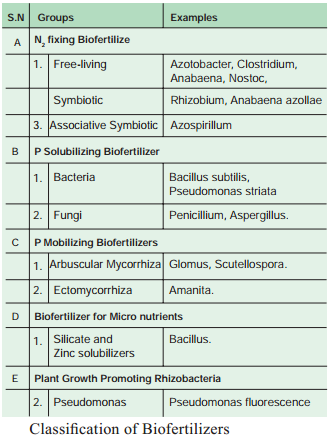
Biofertilizers are defined as preparations containing living cells or latent cells of efficient strains of microorganisms that help crop plants uptake of nutrients by their interactions in the rhizosphere when applied through seed or soil. Biofertilizers could be also called as microbial cultures, bioinoculants, bacterial inoculants or bacterial fertilizers.

They are efficient in fixing nitrogen, solubilising phosphate and decomposing cellulose. They are designed to improve the soil fertility, plant growth, and also the number and biological activity of beneficial microorganisms in the soil. They are ecofriendly organic agro inputs and are more efficient and cost effective than chemical fertilizers.
Organic Agriculture img 1

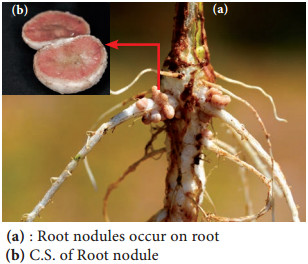
Rhizobium

Bio-fertilisers containing rhizobium bacteria are called rhizobium bio-fertilizer culture. Symbiotic bacteria that reside inside the root nodules convert the atmospheric nitrogen into a bio available form to the plants. This nitrogen fixing bacterium when applied to the soil undergoes multiplication and fies the atmospheric nitrogen in the soil. Rhizobium is best suited for the paddy fields which increase the yield by 15 – 40%.
Organic Agriculture img 2

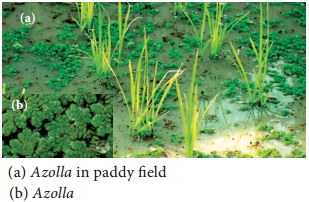
Azolla

Azolla is a free-flating water fern that fies the atmospheric nitrogen in association with nitrogen fiing blue green alga Anabaena azolla. It is used as a bio-fertilizer for wetland rice cultivation and is known to contribute 40 – 60 kg/ha/crop. The agronomic potential of Azolla is quite signifiant particularly for increasing the yield of rice crop, as it quickly decompose in soil.
Organic Agriculture img 3

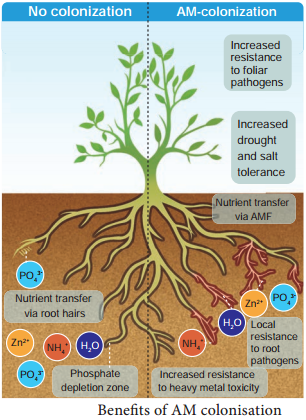
Arbuscular mycorrhizae

Arbuscular mycorrhizae (AM) is formed by the symbiotic association between certain phycomycetous fungi and angiosperm roots. They have the ability to dissolve the phosphates found in abundance in the soil.
Organic Agriculture img 4

Apart from increasing the availability of phosphorus, AM provides necessary strength to resist disease, germs and unfavourable weather conditions. It also assures water availability.

Seaweed Liquid Fertilizer

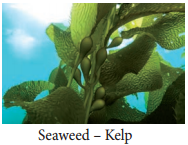
Seaweed liquid fertilizer (SLF) contains cytokinin, gibberellins and auxin apart from macro and micro nutrients. Most seaweed based fertilizers are made from kelp (brown algae) which grows to length of 150 metres. seaweed Liquid fertilizer is not only organic but also ecofriendly. The alginates in the seaweed that react with metals in the soil and form long, cross-linked polymers in the soil.

These polymers improve the crumbing in the soil, swell up when they get wet and retain moisture for a long time. They are especially useful in organic gardening which provides carbohydrates for plants. Seaweed has more than 70 minerals, vitamins and enzymes. It promotes vigorous growth. Improves resistance of plants to frost and disease. Seeds soaked in seaweed extract germinate much rapidly and develop a better root system.
Organic Agriculture img 5

Bio-Pesticides

Bio-pesticides are biological agents used for the control of plant pests. They are in high use due to their non-toxic, cheaper and eco-friendly characteristics as compared to chemical or synthetic pesticides. Bio-pesticides have become an integral component of pest management in terms of the environmental and health issues attributed to the use of chemicals in agriculture.

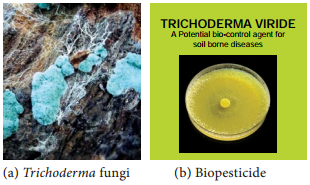
Trichoderma species are free-living fungi that are common in soil and root ecosystem. They have been recognized as bio-control agent for (1) the control of plant disease (2) ability to enhance root growth development (3) crop productivity (4) resistance to abiotic stress and (5) uptake and use of nutrients.
Organic Agriculture img 6

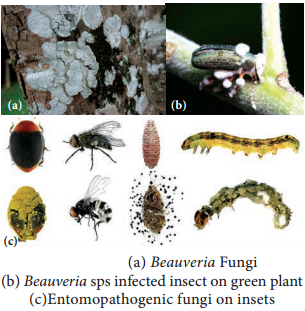
Beauveria species is an entomo-pathogenic fungus that grows naturally in soils throughout the world. It acts as a parasite on various arthropod species causing white muscardine disease without affcting the plant health and growth. It also controls damping of of tomato caused by Rhizoctonia solani.

Green Manuring

Green manuring is defined as the growing of green manure crops and use of these crops directly in the field by ploughing. One of the main objectives of the green manuring is to increase the content of nitrogen in the soil. Also it helps in improving the structure and physical properties of the soil. The most important green manure crops are Crotalaria juncea, Tephrosia purpurea, Indigofera tinctoria.
Organic Agriculture img 7

The green manuring can be practised as Green in-situ manuring or Green leaf manuring. Green in-situ manuring refers to the growing of green manuring crops in the border rows or as intercrops along with the main crops. Example: Sun hemp, Cowpea, Green gram etc.

whereas green leaf manuring is the application of green leaves and twigs of trees, shrubs, plants growing in wastelands and field bunds. The important plant species useful for green leaf manure are Cassia fistula, Sesbania grandiflora, Azadirachta indica, Delonix regia, Pongamia pinnata etc.