The Solitary Reaper Extra Questions and Answers Class 9 English Literature

Here we are providing The Solitary Reaper Extra Questions and Answers Class 9 English Literature Reader, Extra Questions for Class 9 English was designed by subject expert teachers.

The Solitary Reaper Extra Questions and Answers Class 9 English Literature

The Solitary Reaper Extra Questions and Answers Short Answer Type

Answer the following questions briefly.

Question 1.
What drew the attention of the narrator towards the reaper?
Answer:
The girl’s voice was extremely melodious and she sang a sorrowful song. The narrator was so enamoured by her song that he stopped for a while on his way and listened to her sing though he could not understand the dialect or the subject matter of the song.

Question 2.
How does the narrator bring out the beauty of the song of the solitary reaper?
Answer:
The poet compares her song to the sweet notes of the nightingale and the cuckoo, both birds that sing in romantic surroundings. The song of the nightingale is a very Westfield sound to the tired travelers as it signifies that they are approaching an oasis. The song of the cuckoo-bird brings joy to the listeners as it is a harbinger of spring after the long, cold winter. The song of the reaper arouses the same feelings of pleasure and joy in the poet.

Question 3.
In the poem, The Solitary Reaper the narrator says, “Will no one tell me what she sings?” Why does he ask this question? What conjectures does he draw about the song?
Answer:
Since the narrator is not familiar with the dialect, or he is too far to catch the words of the song, he is unable to understand the theme of the maiden’s song. He is, nevertheless, intrigued by the song and conjectures about its theme. As the tune is a melancholy one, he feels the song could be about some unhappy memories or a sad event in history, for example, a battle fought in the past. It may even be about some current topic some loss or pain the solitary reaper has undergone or may still suffer from.

The Solitary Reaper Extra Questions and Answers Long Answer Type

Question 1.
As the poet, write a diary entry about the day you heard the solitary reaper in the field.
Answer:
Monday, May 5, 20xx
Today, as I was walking in the valley, I saw a young farm worker in the field. She was singing1 to herself as she worked. I was so affected by her singing that I stopped and listened. She had a beautiful voice, which seemed to fill the whole valley. The song was a sad one, and I couldn’t understand the words. But its plaintive tone and melancholy sound touched me greatly, and its beauty reminded me of the song of a nightingale or a cuckoo. After some time, I walked up the hill, carrying the memory of the young woman’s song with me.

Question 2.
As the poet, write a letter to your friend about your experience.
Answer:
Dove cottage
Lake District
5 May 20xxx
Dear Chris,
Had an enthralling experience. Today, as I was walking in the valley, I saw a young farm worker in the field. She was singing to herself as she worked. I was so affected by her singing that I stopped to listen to her song. She had a beautiful voice, which seemed to fill the whole valley. The song was a sad one. Though I couldn’t understand the words, its plaintive tone and melancholy sound touched me greatly, and its beauty reminded me of the song of a nightingale or a cuckoo.
After some time, I walked up the hill, carrying the memory of the young woman’s song with me.
Why don’t you come and stay with me for a few days?
William

Question 3.
In the poem, the poet mentions two places. What are they and what is their significance in the poem?
Answer:
The poet mentions two places namely the Arabian desert as well as the Hebrides which is a group of islands on the west coast of Scotland. Their significance lies in the poet weaving these geographical locations to the poem and mentions how the solitary reaper’s song is able to transport the poet’s psyche to these places. At first, he mentions how the solitary reaper’s song is like a welcome note to a weary band of travellers in the Arabian desert. Then, he mentions how her song is able to pervade as far as the farthest islands of Scotland. These denote that the poem was soothing and its reach was far.

The Solitary Reaper Extra Questions and Answers Reference to Context

Read the extracts given below and answer the questions that follow.

Question 1.
“Behold her, single in the field,
Yon solitary Highland Lass!
Reaping and singing by herself;
Stop here, or gently pass!”

(a) What is meant by “single in the field”?
Answer:
Here the poet meant that the girl is working alone in the fields.

(b) Who is the “Highland Lass”?
Answer:
“Highland Lass” refers to a girl from the mountainous areas of Scotland.

(c) What draws the poet’s attention to the girl?
Answer:
The girl’s song and her melodious voice attract the poet.

Question 2.
“Behold her, single in the field,
Yon solitary Highland Lass!
Reaping and singing by herself;
Stop here, or gently pass!”

(a) Why is the girl called “highland lass”?
Answer:
The girl is from the mountainous areas of Scotland thus she has been addressed as a “highland lass”.

(b) What draws the poet’s attention to the girl?
Answer:
The girl is singing in a melodious voice which draws the poet’s attention.

(c) What advice does the poet give the passers-by?
Answer:
The poet advises the passers-by to either listen to her melodious song or go away without disturbing her.

Question 3.
“No nightingale did ever chant
More welcome notes to weary bands
Of travellers in some shady haunts,
Among Arabian sands.”

(a) What does the nightingale’s song do?
Answer:
The nightingale’s song welcomes and soothes the tired travellers as they reach the oasis.

(b) Why has the poet compared the nightingale’s song to that of the solitary reaper?
Answer:
The song of the nightingale and the reaper’s song has been compared by the poet as they arouse feelings of pleasure and joy.

(c) Name the poetic device used by the poet in the line “Among Arabian sands”.
Answer:
Alliteration/synecdoche.

Question 4.
“A voice so thrilling ne’er was heard
In spring-time from the Cuckoo bird,
Breaking the silence of the seas
Among the farthest Hebrides.”

(a) Why is the song of the cuckoo bird “so thrilling”?
Answer:
The bird’s song is thrilling as it signals the onset of spring.

(b) Explain: “Breaking the silence of the seas”?
Answer:
The cuckoo-bird is the first to return from its winter stay in a warm place, and when it begins to sing it ‘ can be heard across the sea.

(c) Name the poetic device used by the poet in “the silence of the seas”.
Answer:
The poetic device used in this case is alliteration.

Question 5.
“Will no one tell me what she sings?
Perhaps the plaintive number flow,
For old, unhappy, far off things
And battles long ago.”

(a) Why does the poet use the word “perhaps”?
Answer:
The solitary reaper is singing in an unfamiliar dialect thus the poet cannot be sure of what she’s singing about.

(b) What is the meaning of the phrase “plaintive number”?
Answer:
“Plaintive number” suggests it is a sad and melancholy song.

(c) What predominant emotion does the reaper’s song convey?
Answer:
The reapers song mostly conveys melancholy.

Question 6.
“Or is it some more humble lay,
Familiar matter of today?
Some natural sorrow,’ loss, or pain,
That has been, and maybe again?”

(a) What is the tone of the poet in the poem?
Answer:
The predominant tone in these lines is of nostalgia and admiration.

(b) What does the poet mean by “humble lay”?
Answer:
A “humble lay” means a song dealing with a mundane matter.

(c) What does the poet mean by ‘familiar matter of to-day’?
Answer:
The poet wants to know what the girl is singing about and wonders if the song she is singing about is because of something that happened recently.

Question 7.
“What ’er the theme, the maiden sang.
As if her song could have no ending,
I saw her singing at work,
And o’er the sickle bending,”

(a) Why does the poet say “What ’er the theme, the maiden sang”?
Answer:
The poet says “What ’er the theme, the maiden sang” because he is unable to understand the words of the song.

(b) How was the poet affected by the song?
Answer:
The poet felt the song echoing in his heart even after the reaper had stopped singing.

(c) Explain: “As if her song could have no ending”.
Answer:
The song was so melodious that it continued to echo in his heart even after the poet moved away.

Question 8.
“I listen’d motionless and still
And, as I mounted up the hill
The music in my heart I bore
Long after it was heard no more.”

(a) Why did the poet listen to the song “motionless and still”?
Answer:
The poet did not wish to disturb the girl who was singing thus he made no movement or noise.

(b) What kind of song is the girl singing?
Answer:
The girl is singing a melancholy song.

(c) Explain: “The music in my heart I bore”
Answer:
The poet carried the memory of the song in his heart, long after the maiden stopped singing.

Question 9.
“I listen’d motionless and still
And, as I mounted up the hill
The music in my heart I bore
Long after it was heard no more.”

(a) What music is the poet talking about in these lines?
Answer:
The poet here is talking about the music of the girl’s song.

(b) What effect does this music have on the poet?
Answer:
The music mesmerizes the poet and he stops to listen to it. He carries the memory of the song in his heart long after he moves on his way.

(c) How is the poet able to hear this music even after the maiden has stopped singing?
Answer:
The poet carries the music as a cherished memory in his heart.
A Visit to Cambridge Summary in English by Firdaus Kanga

We have decided to create the most comprehensive English Summary that will help students with learning and understanding.

A Visit to Cambridge Summary in English by Firdaus Kanga

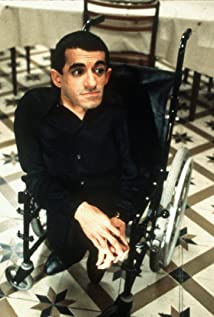
Author NameFirdaus Kanga
Born1960 (age 60 years), Mumbai
DiedJul 31, 1991.
NationalityBritish, Indian
MoviesSixth Happiness
A Visit to Cambridge Summary by Firdaus Kanga

A Visit to Cambridge Summary in English

This is the story of a meeting between two disabled people. Both were extraordinary in their fields. Stephen Hawking is a great scientist though he suffers from paralysis. He is confined to a wheelchair and he can speak only with the help of a computer. Firdaus Kanga, the writer and journalist from Mumbai was bom with very weak and easily breakable bones. He too moves around in a wheelchair. He meets Hawking in England. The two had discussed how the so called normal people should look at the disabled.

The writer, Firdaus, was on a walking tour through Cambridge to UK. His guide told him about Stephen Hawking who was occupying Newton’s chair at the university. But Hawking was a disabled fellow. He wrote A Brief History of Time’, one of the bestsellers.

Firdaus phoned Hawking that he was from India and wanted to meet him and write about his travels in Britain. Hawking agreed to see him for half an hour. The thought of meeting somebody like him in a wheelchair, gave Firdaus courage. Both of them were disabled. Their bodies were disintegrating. Hawking had a little switch in his hand. He was able to move his finger to find the words on his computer. He felt exhausted very often. But his mind was brilliant and bubbling with thoughts.

Firdaus remarked that people often thought that disabled people were unhappy people. Hawking said that it was an amusing attitude. He admitted that he felt annoyed when another disabled person came and disturbed him in his work. The body in his case was just a box for the brilliant mind and soul. He did not see anything good about being disabled.

Seeing the poor condition of the great scientist, Firdaus felt great relief even though he could neither walk nor even stand. Hawking did not like the idea of the disabled Olympics. He thought that it was a waste of time. His advice to the disabled people was that they should concentrate on what they were good at.

Hawking made Firdaus spend one hour instead of half an hour with him, have tea and see his garden. He went about in his motorised wheelchair. Then the time came to depart. Firdaus got up to take leave of him. He could neither kiss Hawking nor cry. But he was convinced that the paralytic scientist was a symbol of bravery.

A Visit to Cambridge Summary in Hindi

यह पाठ दो विकलांग व्यक्तियों के मिलने का विवरण देता है। दोनों ही अपने-अपने क्षेत्र में असाधारण थे। स्टीफेन हाकिंग एक महान वैज्ञानिक हैं यद्यपि वह पक्षाघात से प्रभावित हैं। वह अपनी पहियों वाली गाड़ी में ही आ-जा पाते हैं। वह एक कम्प्यूटर की मदद से ही अपनी बात कह सकते हैं। फिरदौस कंग मुम्बई स्थित लेखक और पत्रकार हैं। वह जन्म से ही कमजोर तथा भंगुर हडिड्यों वाले हैं। वह भी व्हील कुर्सी पर चल-फिर पाते है। उनकी हाकिंग से भेंट इंग्लैण्ड में होती है। ये दो महान हस्तियाँ विचार विमर्श करते हैं कि सामान्य लोगों का विकलांगों के प्रति क्या दृष्टिकोण होता है।

फिरदोस कैम्ब्रिज होते हुए इंग्लैण्ड का सैर करने गये थे। उनके गाइड ने उन्हें स्टीफन हाकिंग के बारे में बताया जो विश्वविद्यालय में न्यूटन की जगह पर काम कर रहे थे। परन्तु, हाकिंग विक्लांग व्यक्ति थे। उन्होंने ‘समय का इतिहास’ नामक पुस्तक लिखी थी जो सर्वाधिक बिकने वाली पुस्तकों में एक थी।

फिरदोस ने हाकिंग को फोन करके बताया कि वह भारत से आएं हैं और उनसे मिलना चाहते हैं एवं इंग्लैण्ड यात्रा पर पुस्तक लिखना चाहते हैं। हाकिंग ने उन्हें आधा घंटे का समय वार्तालाप के लिये दिया। उस जैसे व्हील चेहर पर बैठे व्यक्ति से मिलने के विचार से फिरदोस का हौसला बढ़ गया। दोनों ही असहाय थे। उनके शरीर का दिनोंदिन क्षय हो रहा था। हाकिंग के हाथ में एक छोटा-सा स्विच था। वह अपनी अंगुली चलाकर कम्प्यूटर पर उपयुक्त शब्द खोज लेते थे। अक्सर ही वह थक जाते थे। पर उनका मस्तिष्क प्रतिभावान तथा विचारों से भरपूर था।

फिरदोस ने कहा कि लोग अक्सर यह सोचते हैं कि विकलांग व्यक्ति दुखी रहते हैं। हाकिंग ने इसे हास्यास्पद धारणा कहा। उन्होंने स्वीकार किया कि उनसे मिलने जब कोई दूसरा विकलांग आता है तथा उनके काम में विघ्न डालता है, तो यह उन्हें नागवार लगता है। उनके लिये शरीर तो एक डब्बा है जिसमें उनका तेज दिमाग तथा आत्मा बसती है। विकलांग होने में उन्हें कोई अच्छी बात नहीं लगती थी।

इस वैज्ञानिक की ऐसी खराब स्थिति देखकर फिरदोस को बहुत राहत मिली यद्यपि वह स्वयं भी न चल सकता था, न खड़ा हो सकता था। होकिंग को विकलांगों की खेल प्रतियोगिता का विचार भी पसंद नहीं आया। विकलांगों को उनकी यही सलाह थी कि अपने उस काम पर ध्यान दो जिसमें तुम कुशल हो।

हाकिंग ने फिरदोस को आधा घंटे के बजाय एक घंटे तक रोके रखा। उन्हें चाय पिलायी तथा अपना बगीचा दिखाया। अपनी स्वचलित तिपहिया कुर्सी पर बैठ कर वह घूमें। एक घंटा बीत गया। फिरदौस उनसे विदा लेने उठ खड़े हुए। वह हाकिंग को न तो चूम सकते थे, न ही अपना दुख व्यक्त कर सकते थे। पर उन्हें यह विश्वास हो गया था कि वह पक्षाघातग्रस्त व्यक्ति वीरता का प्रतीक है।

The Road Not Taken Extra Questions and Answers Class 9 English Literature

Here we are providing The Road Not Taken Extra Questions and Answers Class 9 English Literature Reader, Extra Questions for Class 9 English was designed by subject expert teachers.

The Road Not Taken Extra Questions and Answers Class 9 English Literature

The Road Not Taken Extra Questions and Answers Short Answer Type

Answer the following questions briefly.

Question 1.
What is a wood? What did the narrator see in the wood? Were the paths similar?
Answer:
Wood means a forest. He saw two paths diverging and disappearing in the undergrowth. No, one had more grass and seemed less used than the other.

Question 2.
What did the narrator hope that he would do one day? Was he sure of doing so?
Answer:
The narrator hoped to come back and try the other path someday. No, he did not think he would do so because he knew that one path led to another and it would be difficult for him to come back.

Question 3.
Does one road seem to be more appealing than the other? Use examples from the poem to support your answer.
Answer:
At first the narrator comes to a fork in the road and is not able to decide which path to take. One of the roads looks more frequented by people while the second road appears to be less travelled on. Though he is tempted to walk on both, he decides to take the second path with the intention of walking on the first one sometime in future.

Question 4.
What does the poet mean when he says,-‘worn them really about the same’?
Answer:
The poet means to relay to the readers that both the roads that diverged in a yellow wood seemed similar and both of them looked as if they had not been used for a while.

The Road Not Taken Extra Questions and Answers Long Answer Type

Question 1.
Discuss the title of the poem “The Road Not Taken”. Is it appropriate for the poem?
Answer:
Yes, it is apt because the title of the poem concerns a choice made between two roads by a person walking in the woods. He would have liked to explore both the roads, but he knows that he can’t walk on both the roads at the same time. He chooses the road not travelled on by too many people and many years later, he feels that all the difference in his life is because of the choice of roads he had made.

Question 2.
Why does the poet say he shall tell people “this with a sigh”? Why do you think the final stanza starts with a sigh?
Answer:
The poet comes to a fork in the road and decides to walk on the path that looks less walked on. He is however wishful of walking on the other road on some other day. He is not sure if his choice has been the right one and feels that if someone asks him to justify his choice he would probably answer him with a sigh.

The sigh could signify two things. Either it is a sigh of happiness and contentment at having achieved success in life because of the right choices ihade at the right time or it could be interpreted to mean that the sigh is one of regret and sorrow at having made the wrong choice and lost out on a golden opportunity.

Question 3.
Bring out the symbolism in the poem “The Road Not Taken”.
Answer:
The poem is about something more than the choice of paths in a wood. We can interpret the narrator’s choice of a road as a symbol for any choice in life between alternatives that appear almost equally attractive. It is only after the passage of years, that we can really evaluate the decisions and choices that we make based on the result of these choices. If we find success, the choice is the right one but if the result is failure and pain then the choice has obviously not been the right one.

Question 4.
The road is used as a metaphor for life in this poem. Can you think of another metaphor and explain why that has been used to describe life.
(Encourage students to think creatively andformulate their own answers.)
Answer:
A puzzle can be another metaphor for life. A puzzle requires one to constantly keep figuring out the answers . and right after one decision has been made, there are other problems awaiting solution. Similarly, life is also full of doubts and questions. When we are able to figure out solutions and make decisions accordingly, another predicament often comes up. We are constantly figuring out things, hence, life is a puzzle.

The Road Not Taken Extra Questions and Answers Reference to Context

Read the extracts given below and answer the questions that follow.

Question 1.
“Two roads diverged in a yellow wood,
And sorry I could not travel both
And be one traveller, long
I stood And looked down one as far as
I could To where it bent in the undergrowth;”

(a) What does the narrator mean by “a yellow wood”?
Answer:
By “yellow wood” the poet means a forest where the trees have yellowing and falling leaves.

(b) What choice did the narrator have to make?
Answer:
The narrator had to choose between the two roads.

(c) What does the narrator regret?
Answer:
The narrator regrets the fact that he cannot travel on both the paths. He also regrets the fact that he cannot come back to the start once he makes a choice.

Question 2.
“Two roads diverged in a yellow wood,
And sorry, I could not travel both
And be one traveller, long
I stood And looked down one as far I could;
To where it bent in the undergrowth,”

(a) What did the narrator see in the wood?
Answer:
The narrator saw two paths diverging in the forest.

(b) Why did the poet stand there for “long”?
Answer:
The poet stood there for long because he could not make up his mind which path to take.

(c) The poet here is using “roads” as symbols of:
Answer:
Choices one makes in life.

Question 3.
“Then took the other, as just as fair,
And having perhaps the better claim,
Because it was grassy and wanted wear;
Though as for that the passing there
Had worn them really about the same,”

(a) What does “other” refer to in the above lines?
Answer:
In the above lines, “other” refers to the road that was grassy and less travelled upon.

(b) Which road did the narrator choose?
Answer:
The narrator chose the one that was grassy and less travelled upon.

(c) Explain “grassy and wanted wear”?
Answer:
The road was covered with grass as not many people had walked this road so it was more inviting.

Question 4.
‘And both that morning equally lay “
In leaves no step had trodden black.
Oh, I kept the first for another day!
Yet knowing how way leads on to way,
I doubted if I should ever come back.”

(a) What does “both” refer to?
Answer:
In the given lines “both” refers to the two roads that forked out in different directions.

(b) Explain the line “In leaves no step had trodden back”.
Answer:
The given line means a path not commonly used so the dried leaves that lay on the ground and had not been trampled upon.

(c) What made the narrator doubt whether he “should ever come back”?
Answer:
The fact that one road generally leads to another made the narrator doubt that he should ever come back.

Question 5.
“I shall be telling this with a sigh
Somewhere ages and ages hence:
Two roads diverged in a wood, and I
I took the one less travelled by,
And that has made all the difference”

(a) Which road did the poet leave?
Answer:
The poet left the road on which most people travelled.

(b) When will the poet look back on his life?
Answer:
The poet would look back on his life after a very long time – when he is an old man.

(c) Why do you think the poet says this “with a sigh”?
Answer:
The poet is regretful; he could not return and take the.road he had left behind to travel on another day.

Question 6.
“I shall be telling this with a sigh
Somewhere ages and ages hence:
Two roads diverged in a wood, and I
I took the one less travelled by,
And that has made all the difference”

(a) Where is the narrator standing?
Answer:
The narrator is standing at a place where the road forked into two.

(b) Why was the narrator sorry?
Answer:
The narrator was sorry because he could not travel both roads.

Question 7.
“I shall be telling this with a sigh
Somewhere ages and ages hence:
Two roads diverged in a wood, and I
I took the one less travelled by,
And that has made all the difference.”

(a) What will the narrator tell “with a sigh”?
Answer:
The narrator will tell about the fork that he had come to in the woods and the choice he had to make; the fact that he had taken the road less frequented by people.

(b) Why does the narrator say, “And that has made all the difference”?
Answer:
The narrator said that later in life he shall be retrospectively telling people how his life has been different due to the choices he had made long ago.

(c) What did the poet wish to do when he takes the road that he has not been able to do?
Answer:
The poet wanted to come back and take the other road.

Question 8.
“I shall be telling this with a sigh
Somewhere ages and ages hence:
Two roads diverged in a wood, and I
I took the one less travelled by,
And that has made all the difference”

(a) What is the theme of the poem?
Answer:
The theme of the poem is the various problems we face in life and the choices we make.

(b) Which poetic device defines the roads in the wood?
Answer:
A metaphor has been used to define the two roads in the wood.

(c) What is the tone of the poet in the last stanza?
Answer:
The poet adopts a reflective tone in the last stanza.

This is Jodys Fawn Summary in English by Marjorie Rawlings

We have decided to create the most comprehensive English Summary that will help students with learning and understanding.

This is Jodys Fawn Summary in English by Marjorie Rawlings

This is Jodys Fawn by Marjorie Rawlings About the Author

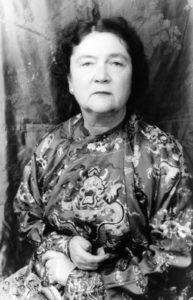
Author NameMarjorie Rawlings
Born8 August 1896, Washington, D.C., United States
Died14 December 1953, St. Augustine, Florida, United States
MoviesCross Creek, The Yearling, Gal Young Un, The Sun Comes Up
AwardsPulitzer Prize for Fiction, John Newbery Medal
This is Jodys Fawn Summary by Marjorie Rawlings

This is Jodys Fawn Summary in English

In this story, Jody’s father is bitten by a rattlesnake. He quickly kills a doe and uses its heart and liver to draw out the poison. Jody wonders what will happen to the little fawn left without its mother.

Jody could not forget the incident. He loved the little fawn. His father, Penny lay in bed. Jody enquired after his health. Penny said he had escaped death narrowly. He felt proud of his son for his help. He owed his life to the she deer or the doe whom he had killed to press out the snake poison in his body.

Jody was worried about the little fawn. He wanted to find the fawn and bring it home. Penny allowed the boy to save the little animal. It would be ungrateful to leave the fawn to starve. Doc Wilson also supported Jody.

Jody decided to go to the forest with Mill-wheel in search of the fawn. He hoped to be back home for dinner. The two rode out. Jody had a vague idea of the place where his father had been bitten by the snake. The bushes there were thick. So he proposed to go on foot. The twigs under his feet creaked and broke the silence.

Suddenly he saw a large vulture like bird flying into the air. Soon he found that many birds were feeding on the dead body of the doe. He threw his stick at them to keep them away. The incident had occurred only 24 hours ago. He went round but did not find the fawn. Even the footprints on the grass had been washed away in the rain.

Just then he was startled to see the fawn lifting its face. It was shaking. Jody walked upto it and put his artns around its body. Its skin was soft and clean. It did not kick, nor bleat. He saved its face from the thorny plants. He picked it up and walked as fast as he could until he came to the intersection with the road home.

When tired, he set it down and rested for a while. He again carried it on his arms to some distance. Finally, he reached home and took the fawn into his father’s room. Penny was glad to see it. Jody gave it milk to drink. He dipped his fingers into the milk and let it suck. Then it drank off the last drop of milk. Jody was happy now.

This is Jodys Fawn Summary in Hindi

इस कहानी में जोडी के पिता को एक साँप डस लेता है। वह तुरन्त एक हिरनी को मारकर उसके दिल और यकृत द्वारा जहर बाहर निकाल देता है। जोडी परेशान हो जाता है कि हिरनी के बच्चे का माँ के बिना क्या हाल होगा।

जोडी उस घटना को भुला नहीं सका। उसे छोटे से छौने से स्नेह हो गया था। उसके पिता पेनी बिस्तर पर पड़े थे। जोडी ने उनके स्वास्थ्य के बारे में पूछा। पेनी बोले मैं तो आज मौत से बाल-बाल बचा। मुझे तुम्हारी मदद पर गर्व है। मेरे प्राण तो बचाये उस हिरनी ने जिसे मैंने अपने शरीर से विष निकालने के लिए मार दिया था।

जोडी उस छौने के लिये परेशान था। वह चाहता था कि बच्चे को खोज कर घर ले आये। पेनी ने जोडी को छौने के भूख से मरने से बचाने की अनुमति दे दी। उसे भूख से मरने देने का अर्थ था कृतघ्नता। डॉक विलसन ने भी जोडी के प्रस्ताव का समर्थन किया।

जोडी ने मिल-व्हील के साथ छौने की खोज में जाने का निर्णय लिया। उसे आशा थी कि वह भोजन के समय तक घर लौट आयेगा। दोनो घोड़े पर सवार होकर चल दिये। जोडी को पूरी तरह से याद था कि उसके पिता को साँप ने कहाँ काटा था। वहाँ झाड़ियाँ घनी थीं। इसलिये उसने कहा कि वह पैदल ही झाड़ी में छौने को खोज लेगा। उसके पैरों की नीचे पडी टहनियाँ ही वहाँ की शांति को भंग कर रही थीं।

अचानक उसने देखा कि एक बड़े आकार का गिद्ध जैसा पक्षी हवा में उड़ चला। वास्तव में वहाँ पर अनेक पक्षी हिरनी के मृत शरीर को खा रहे थे। उन्हें दूर हटाने के लिए उसने अपनी छड़ी फेंकी। यह घटना 24 घंटे पूर्व घटी थी। जोडी ने खुले स्थान पर चक्कर काटे पर छौना नहीं मिला। यहाँ तक कि घास पर पैरों के निशान भी वर्षा में मिट गये थे।

तभी जोडी छौने को देखकर चौंक गया। छौने ने अपना सिर उठाया। वह काँप रहा था। जोडी उसके निकट गया तथा उसके शरीर को बांहों में घेर लिया। उसकी त्वचा मुलायम तथा साफ सुथरी थी। उसने न तो हाथ पाँव चलाये न ही चीख पुकार की जोडी उसके चेहरे को कँटीले पौधों से बचाता उठा ले चला। थक जाने पर उसने उसे नीचे रख दिया तथा कुछ क्षणों तक विश्राम किया। जोडी उसे पुनः अपने हाथों में उठाकर कुछ दूर चला। अंतत: वह घर पहुँच गया। वह सबसे पहले पापा के कमरे में छौने को ले गया। पेनी उस बच्चे को देखकर खुश हो गये। जोडी ने उसे दूध पिलाया। उसने अपनी अंगुली दूध में भिगोयी तथा छौने को चूसने दिया। इस प्रकार से छौना दूध की अंतिम बूंद तक पीता रहा। जोडी अब बहुत खुश था।

The Brook Extra Questions and Answers Class 9 English Literature

Here we are providing The Brook Extra Questions and Answers Class 9 English Literature Reader, Extra Questions for Class 9 English was designed by subject expert teachers.

The Brook Extra Questions and Answers Class 9 English Literature

The Brook Extra Questions and Answers Short Answer Type

Answer the following questions briefly.

Question 1.
The poet has repeated certain lines in the poem. What is this repetition called? Why is it used in this poem?
Answer:
This repetition is called a refrain. It adds music and brings out the poet’s philosophy—the contrast between man’s mortality and the eternal nature of the brook.

Question 2.
How does the brook babble? Why has the narrator used this word?
Answer:
When the brook passes over pebbles and stones, it makes a lot of noise. It seems as if it were babbling or talking gaily.

Question 3.
Why has the sound created by the brook called “chatter”?
Answer:
As the brook passes over small and large stones, it makes a series of high-pitched sounds like monkeys do. Hence it has been called chatter.

Question 4.
When does the sound of the brook resemble a “murmur”?
Answer:
When the brook reaches the end of its journey the speed slows down considerably and the sound resembles a “murmur”.

Question 5.
What do “skimming swallows” refer to?
Answer:
“Skimming swallows” refer to the swallows which are a kind of bird that “skim” or lightly touch the surface of the brook as they fly very close to the surface of the brook.

The Brook Extra Questions and Answers Long Answer Type

Question 1.
How does the poet use the brook to draw a parallel with the life of a man?
Answer:
This is a poem that traces the life of a brook or a small stream as it emerges from the mountaintop and flows down the hills and across valleys to empty into the river. On a deeper level, the poet uses the brook to draw a parallel with the life of a man. Like the brook, man is energetic, lively and moves swiftly when he is young but slows down later on in life just like the brook does before it reaches the river.

Question 2.
Describe the various things a brook travels past to join the river.
Answer:
The brook emerges from’the mountaintop where coots and herons live and flows down the hills and across valleys to empty into the river. It bubbles with energy as it flows down the hill side making a lot of noise.

As it passes through different landforms, like forests, fields that are either fertile or fallow, grassy lawns and flower- filled gardens with forget-me-nots and hazel trees, if slows down considerably. It does not follow a straight path but meanders on around rocks and boulders without letting anything stop its path. Thus it continues to flow from its source to the river eternally.

Question 3.
Explain the lines “For men may come and men may go but I go on for ever.”
Answer:
These lines highlight the eternal nature of the brook which continues to flow year after year from its source to the river without fail. It expresses the fact that though men die and others are born, the brook is immortal. Therefore these lines highlight the short-lived quality of human life as compared to nature which is eternal.

Question 4.
Write the autobiography of the brook before it meets the river.
Answer:
Value points:

  • Make a sudden appearance by emerging from the mountains, the dwelling place of water birds (coot and hem). Sparkle and shine among the fern (flowerless plants) because the sun’s rays are reflected off by it.
  • Flow down valley quickly in a very noisy manner.
  • Flow by stony ways, create a whirlpool (eddying bay) -and chatter because of the stones and pebbles in its path.
  • As I flow further, erode banks, flow by fields, infertile barren lands and a foreland filled with flowers (willow-weed and mallow).
  • Then meander in and out, and carry blossoms, silt, fish(grayling and trout) and gravel.
  • Some changes in the terrain; my water hits many hard objects, causing the water to split in various directions and foam formation.
  • As I come closer towards the river, in the plains, movement becomes slower, gentle, calm, quiet and soft.
  • Flow smoothly by the lawns and grassy plots; and the hazel covers and the forget- me-nots flowers.
  • The sunlight falls on my water; water becomes shallower.
  • At night flow through thorny forests; by eroded pebbles and stones slowly and by cresses.
  • Join the brimming river.

Question 5.
In the poem, the brook is the narrator and the brook describes its own journey. Do you think the poet has a reason for this? Give your own answers.
(Encourage the students to think creatively and formulate their own answers.)
Answer:
The poet uses a poetic device known as personification. The brook narrates the story like a person and as ‘ such we are able to relate to its journey. He uses this poetic device to draw a parallel between people and nature. I think the poet made the brook the narrator to being in a different perspective as well as see life and its different stages from a whole different point of view.

The Brook Extra Questions and Answers Reference to Context

Read the extracts given below and answer the questions that follow.

On the basis of your understanding of the lines given below, answer the following questions.

Question 1.
“I come from haunts of coot and hem,
I make a sudden sally
And sparkle out among the fem,
To bicker down a valley.”

(a) Explain: “I make a sudden sally”.
Answer:
It means the brook emerges suddenly from its source among the ferns.

(b) Name the poetic device used in the last line?
Answer:
The poetic device used in the last line is onomatopoeia.

Question 2.
“By thirty hills I hurry down,
Or slip between the ridges,
By twenty thorpes, a little town,
And half a hundred bridges.”

(a) Why is the brook said to slip between the ridges?
Answer:
The brook glides noiselessly between the mountain ridges.

(b) What are thorpes?
Answer:
Thorpes are villages.

(c) What is the poetic device used in the first line of this stanza?
Answer:
The poetic device used in this stanza is personification. The river is described as hurrying down.

Question 3.
“Till last by Philip’s farm I flow
To join the brimming river,
For men may come and men may go,
But I go on for ever.”

(a) Where does the brook come from?
Answer:
The brook comes from the mountains where coots and herons live.

(b) What is the river brimming with?
Answer:
The river is brimming with fishes.

(c) The poet has repeated certain lines in the poem. What is this repetition called?
Answer:
This repetition in certain lines of the poem is called refrain.

Question 4.
“I chatter over stony ways,
In little sharps and trebles,
I bubble into eddying bays,
I babble on the pebbles.”

(a) Explain: “I chatter over stony ways, In little sharps and trebles”?
Answer:
The brook makes a musical sound as it moves over small pebbles and large stones.

(b) What are eddies?
Answer:
Eddies are whirlpools created by the circular movement of the current.

(c) Name some of the poetic devices used in the stanza?
Answer:
The poetic devices used are onomatopoeia, personification and alliteration.

Question 5.
“With many a curve my banks I fret
By many a field and fallow,
And many a fairy foreland set
With willow-weed and mallow.

(a) What kind of land areas are referred to here?
Answer:
The kind of land being referred to here is a land that is fertile and also land that has become infertile.

(b) The movement of the brook at this stage is:
Answer:
Fast and powerful.

Question 6.
“I wind about, and in and out,
With here a blossom sailing,
And here and there a lusty trout,
And here and there a grayling,”

(a) How does the brook’s movement “I wind about, and in and out” differ from its earlier movement?
Answer:
In the beginning the brook hurries downhill but gradually it gently meanders along.

(b) What does the poet mean by the phrase ‘blossom sailing’.
Answer:
It means that the sailing has become slower, smoother and more pleasant.

(c) Name the fishes that live in the river?
Answer:
The fishes that live in the river are trout and grayling.

Question 7.
“I steal by lawns and grassy plots,
I slide by hazel covers;
I move the sweet forget-me-nots
That grow for happy lovers.”

(a) What places does the brook pass by?
Answer:
The brook passes by lawns, grassy plots, woods where hazel trees grow and past bushes bearing forget- me-nots.

(b) Why does the poet say forget-me-nots grow for “happy lovers”?
Answer:
The poet says this because forget-me-nots are flowers that symbolize eternal love.

Question 8.
“I slip, I slide, I gloom, I glance,
Among my skimming swallows;
I make the netted sunbeam dance
Against my sandy shallows.”

(a) Who is “I”? Why has the poet called the narrator “I”?
Answer:
The brook here is “I”. The poet uses the device of personification and has personified the brook to add authenticity and intimacy to the description.

(b) Name the poetic device used in Line 2?
Answer:
The poetic device used in Line 2 is alliteration.

(c) What does “netted sunbeam” mean? How does it dance?
Answer:
The interplay of sunshine and shadow makes the sunbeam appear to be trapped on the surface of the brook; it appears to dance due to the movement of the brook.

Question 9.
“I murmur under moon and stars
In brambly wildernesses;
I linger by my shingly bars;
I loiter round my cresses;”

(a) What is the difference between “bicker” and “murmur”?
Answer:
Bicker expresses the loud noise created by the brook whereas murmur refers to a soft, whispering sound.

(b) Why do you think the brook is murmuring now?
Answer:
The brook is about to reach the river and as it passes through wilderness or bushes, its speed is not very fast so the sound created resembles a murmur.

(c) How does the brook’s movement differ in these lines from the time when it starts?
Answer:
The brook, at first, emerges suddenly from its source. But now it has a gentle, dawdling pace.

Question 10.
“And out again I curve and flow
To join the brimming river,
For men may come and men may go, :
But I go on for ever.”

(a) Where does the brook meander “out” of?
Answer:
The brook meanders “out” of thorny bushes and lonely moors.

(b) Where does the brook flow from?
Answer:
The brook flows down from the hilly areas where coot and herons are found.

(c) What does the poet mean by brimming river?
Answer:
This means that the river is at the point of overflowing.