Chapter 13 Why Do we Fall Ill Class 9 Science Important Questions with Answers PDF will help you in scoring more marks in your exams.
Why Do we Fall Ill Class 9 Important Questions Science Chapter 13
Very Short Answer Questions
Question 1.
Name the disease that can be caused by UV radiations.
(CCE 2011)
Answer:
Skin cancer.
More Resources
Question 2.
Why does intake of penicillin not affect human cells. ?
(CCE 2014)
Answer:
Penicillin inhibits the formation of cell wall which is present in bacteria but is absent around human cells.
Question 3.
What is symptom of a disease ? (CCE 2014)
Answer:
Sympton of a disease is manifestation of a structural or func¬tional change in the body, e.g., cough, fever, diarrhoea.
Question 4.
You have suffered from chicken pox when you were in class three. Why will you not suffer from it again ?
(CCE 2014, 2015)
Answer:
A single chicken pox infection gives life long immunity as the memory cells and specific antibodies remain active throughout the life of a person.
Question 5.
How does infection spread from an unhealthy person to a healthy person ? (CCE 2015)
Answer:
Direct contact, air, fomite or vector.
Question 6.
The immediate causes of many diseases are not infectious.
Name any two such diseases. (CCE 2015)
Answer:
Diabetes, hypertension, cancer.
Question 7.
Which type of disease causes more damage to our body — acute or chronic and why ? (CCE 2015)
Answer:
Chronic disease causes more harm to the body as it is of longer duration and damages the affected organs.
Question 8.
Name one organ each affected by :
- Malaria
- Tuberculosis. ( CCE 2015)
Answer:
- Malaria Liver, RBCs, Spleen.
- Tuberculosis Lungs.
Question 9.
Why do female mosquitoes need highly nutritions food in the form of human blood ? (CCE 2016)
Answer:
Blood provides nutrients required for egg laying by the female mosquito.
Question 10.
Name the disease caused by Trypanosoma. (CCE 2016)
Answer:
Sleeping sickness.
Question 11.
Name any two diseases caused by protozoa. (CCE 2016)
Answer:
Sleeping sickness (Trypanosoma), Malaria (Plasmodium).
Short Answer Questions (2 Marks)
Question 1.
(a) What is an epidemic disease ?
(b) Which organ is affected if a person is suffering from jaundice ? (CCE 2011, 2012)
Answer:
(a) An epidemic disease is the one which spreads rapidly and extensively affecting many individuals simultaneously in a particular area. It is usually an infectious disease, e.g., encephalitis, malaria, dengue,
(b) Liver.
Question 2.
State two consequences which one has to face while dealing with an infectious disease. (CCE 2011)
Answer:
- Tissue damage and deranged body functions requiring rest and care to recover.
- A person suffering from an infectious disease can be a source for spread of disease to other persons.
Question 3.
If your friend is suffering from malaria, what are your chances of catching malaria ? (CCE 2011, 2012)
Answer:
Little chance. Malaria is an infectious disease which is spread by the bite of an infected female Anopheles mosquito. The vector is mostly active during night, that also if it is present in the room of your friend when you are visiting him.
Question 4.
(a) What are vectors ?
(b) In many species of mosquitoes, the males do not prefer blood, but females do. State why ?
(CCE 2012)
Answer:
(a) Vectors: They are organisms which spread the pathogens from an infected person to a healthy person, e.g., sandfly, female mosquitoes.
(b) The female mosquitoes of many species require human/ animal blood meal in order to obtain nutrients for laying eggs.
Question 5.
(a) Write any biochemical pathway in bacteria that is blocked by antibiotics like penicillin.
(b) Whv is it difficult to make antiviral drugs ? (CCE 2012)
Answer:
(a) Penicillin blocks cell wall formation in bacteria.
(b) Viruses have very few biochemical pathways of their own so that drugs for their disruption are not easy to manufacture.
Question 6.
What causes encephalitis ? How does it enter the body. Which organ does it infect ? What are the symptoms, if this organ is infected ? (CCE 2012)
Answer:
Cause. Encephalitis is generally caused by virus, e.g., JEV in case of Japanese encephalitis.
Entrance. The virus enters the body through the bite of infected mosquito like female Culex.
Organ Infected. Brain.
Symptoms. Inflammation of brain and its membrane causing severe rigors, altered mental status, seizures, severe headache, stiff neck and bulgings in fontanelles of skull. A vaccine is available against the disease.
Question 7.
Which of the following diseases will cause major ill effects on general health—elephantiasis, cough and cold, tuberculosis, diarrhoea ? (CCE 2012)
Answer:
Encephalitis and tuberculosis cause major ill effects on health because they are chronic diseases.
Question 8.
Name two bacterial disease that spread through contaminated water. (CCE 2012)
Answer:
Cholera, typhoid.
Question 9.
Apart from sexual contact, AIDS virus can be spread by which other means ? (CCE 2012)
Answer:
- Contaminated needles, syringes and tatooing.
- Blood transfusion from infected person.
Question 10.
A person is suffering from chest pain, breathlessness, loss of body weight, persistent cough and produces stained sputum. Name the disease. (CCE 2012)
Answer:
Tuberculosis.
Question 11.
(a) Name a worm which is found in our small intestine.
(b) Name the bacteria which can cause acne.
(c) Which protozoan is responsible for sleeping sickness.
(d) Which disease is caused by protozoan Leishmania.
(CCE 2012)
Answer:
(a) Worm. Ascaris lumbricoides.
(b) Acne. Staphylococcus. Ans.
(c) Sleeping Sickness. Trypanosoma gambiense.
(d) Leishmania donovani. Kala-azar or black fever.
Question 12.
(a) List the causative organisms for AIDS.
(b) Name two fungal diseases. (CCE 2012)
Answer:
(a) HIV or human immunodeficiency virus.
(b) Ringworm, athlete’s foot, barber’s itch.
Question 13.
What is parasite ? Give two examples.
(CCE 2012, 2013)
Answer:
Parasite. It is an organism that obtains its food from a living organism of another species for a part or whole of its life, e.g., Plasmodium (malaria parasite). Vibrio cholerae (cholera causing bacterium).
Question 14.
Write two examples each of
(a) Viral diseases
(b) Bacterial
diseases. (CCE 2012)
Answer:
(a) Viral Diseases: Common cold, Influenza, AIDS.
(b) Bacterial Diseases: Typhoid, Cholera, Acne.
Question 15.
What are infectious diseases ? Write rwo ways by which they can be controlled. (CCE 2012, 2013)
Answer:
Infectious diseases are those diseases which are caused by pathogens that can pass from an infected person to a healthy one.
Control,
- Symptomatic treatment.
- Killing the infectious agent.
Question 16.
“Community health is essential for good individual health”.
Justify this statement by giving examples. (CCE 2012)
Answer:
Community health is helpful in maintaining good individual health by
- Proper removal of garbage.
- Drainage and sewage services.
- Proper drinking water.
- Vector and pest control.
- Unadulterated food articles.
- Vaccination and other health services.
- Harmonious social interactions.
Question 17.
List any two ways of preventing the spread of air borne diseases.
Answer:
- Avoiding visiting over-crowded places.
- Avoiding coming close to a person suffering from an air borne disease.
Question 18.
Chances of spreading cholera are higher in a village. reason. (CCE 2012)
Answer:
Cholera spreads through contaminated food and water. In villages, the drinking water is seldom treated. The village ponds are likely to become contaminated as it is used for washing, bathing of animals as well as humans. In some areas pond water is used for drinking as well.
Question 19.
AIDS is a fatal disease. Explain why ? (CCE 2012)
Answer:
In AIDS, the immune system of the patient becomes weak because HIV destroys helper T-cells of the body. The patient loses the power to fight minor infections with common cold becoming pneumonia or a minor gut infection causes diarrhoea with blood loss. These opportunistic infections kill the patient.
Question 20.
Influenza or common cold spreads faster and is difficult to control. Explain. (CCE 2012)
Answer:
Influenza or common cold spreads as droplets through air infecting nearly every body coming in near contact with the patient. All the latter will spread the disease to many more persons and so on.
The disease is difficult to control as antibiotics are infective because the disease is viral in nature.
Question 21.
“Being disease free is not the same as being healthy.” Explain the above statement giving an example. (CCE 2012)
Answer:
Disease free person is the one who does not have any discomfort or derangement in any part of the body. A healthy person is one who is in a state of complete, physical, mental and social well being. For example, a dancer may be disease free but in poor health if one is unable to perform as per requirement.
Question 22.
Explain why some children fall ill more frequently than others living in the same locality. (CCE 2012)
Answer:
The children who fall ill more frequently might be having
- Poor health due to undernourishment
- Unhygienic conditions around them
- Poor heredity.
Question 23.
Explain how individual health depends upon social and mental well being. (CCE 2012)
Answer:
Disease is related to individual sufferers but health includes not only disease free but also social and mental well being. Social well being includes good public health services, proper earning and social harmony. Any insufficiency leads to defective health. Similarly, mental health like freedom from depression and anxiety are essential for our optimum and joyful life at work, studies, home and social gatherings.
Question 24.
Although Archana has been suffering from cold and cough, she decided to appear for her class test. Classmates seated close to her had an exposure to the infection being carried by Archana. However, only one of them actually suffered from cold and cough. Explain what prevented rest of her classmates catching cold and cough. (CCE 2012)
Answer:
For catching a disease a person should
- Receive an infective dose of pathogen
- Have lower immunity. Every body sitting near Archana did not receive equal infective dose nor their immunity was weak.
Question 25.
State mode of transmission of
(a) Syphilis
(b) Tuberculosis
(c) Jaundice
(d) Japanese encephalitis. (CCE 2012)
Answer:
(a) Syphilis. Sexual contact.
(b) Tuberculosis. Droplets through air.
(c) Jaundice. Contaminated water.
(d) Japanese Encephalitis. Bite of infected female mosquito Culex.
Question 26.
State any four ways by which AIDS virus spreads from an infected person to a healthy person. (CCE 2013)
Answer:
- Unprotected sexual contact with an infected person,
- Common needles and syringes.
- Transfusion of infected blood.
- Transplacental transmission.
Question 27.
Name the triple vaccine which saves the life of babies from three diseases.
Answer:
DPT or vaccine against Diphtheria, Pertussis (Whooping Cough) and Tetanus.
Question 28.
State the method of transmission of each of the following diseases :
(a) Tuberculosis
(b) Cholera
(c) Malaria
(d) AIDS.
(CCE 2013)
Answer:
(a) Tuberculosis—Droplets through air.
(b) Cholera—Contaminated food and water.
(c) Malaria—Female Anopheles.
(d) AIDS—Sexual and blood contact.
Question 29.
What causes Japanese encephalitis ? How it can be prevented ? (CCE 2014)
Answer:
It is caused by JEV or Japanese Encephalitis Virus through bite of infected Culex mosquito.
Prevention,
- Vaccination,
- Protection from mosquito bite like gauze wire double doors and windows, mosquito repellents, mosquito nets and elimination of nearby breeding places of mosquitoes.
Question 30.
State two principles of treatments. (CCE 2014)
Answer:
- Reduce the effect of disease by giving symptomatic treatment and bed rest.
- Killing of infectious agents through drugs.
Question 31.
Explain what is organ specific manifestation. (CCE 2014)
Answer:
It is adaptation of pathogens to infect particular organs of the body. Organ specific manifestation is of two types, portal related. (e.g., lungs for nasal entry in case of pneumonia and tuberculosis) and nonportal organs {e.g., Plasmodium passing into liver and then erythrocytes in blood).
Short Answer Questions (3 Marks)
Question 1.
- Differentiate between acute and chronic diseases.
- Give one example each of acute and chronic diseases,
- Mention any two causes of baby’s disease.
(CCE 2011, 2012, 2013)
Answer:
- An acute disease is of shorter duration which causes little damage to the body. A chronic disease is of longer duration which damages the body system affected by it.
- Example. Acute Disease. Diarrhoea, Typhoid. Chronic Disease. Tuberculosis, Diabetes.
- Baby’s Disease,
- Poor improper nourishment.
- Contaminated air, water, food.
Question 2.
(i) Match the columns with correct options
| I | II |
(a) Fungal disease (b) Viral disease (c) Protozoan disease (d) Bacterial disease | Dengue fever Cholera Skin disease Malaria |
(ii) Name any one disease when the microbes target
(a) Liver
(b) Lungs. (CCE 2011)
Answer:
(i) (a) Fungal disease— Skin disease,
(b) Viral disease— Dengue fever
(c) Protozoan disease— Malaria
(d) Bacterial disease— Cholera.
(ii) (a) Liver—Jaundice,
(b) Lungs—Pneumonia.
Question 3.
(i) Give definition of ‘health’.
(ii) State and explain in brief the four major factors which are the causes of disease. (CCE 2011)
Answer:
(i) Health is a state of complete physical, mental and social well being that enables one to lead a socially and economically productive life (WHO, 1978).
(ii) Causes of Disease:
- Pathogens: Many bacteria, viruses, fungi, protozoans and worms produce diseases, spreading from an infected
person to healthy one through various means of transport, e.g., Malaria, Diarrhoea, TB. - Deficiency: Nutrient deficiency including that of minerals and vitamins, leads to several diseases like marasmas, kwashiorkor, pellagra, goitre, anaemia.
- Genetic Disorders: Caused by defective heredity, e.g., haemophilia.
- Degenerative Disorders: Natural defects appearing due to senescence, e.g., hypertension, atherosclerosis, arthritis.
Question 4.
(i) Match the following columns with correct answers
| Pathogen | Disease |
(a) Leishmania (b) Staphylococcus (c) Trypanosoma (d) Ascaris lumbricoides | Worm Kala-azar Acne Sleeping sickness. |
(ii) “High blood pressure can be caused by excessive weight and lack of exercise”. Justify the statement.
(CCE 2011)
Answer:
(i) (a) Leishmanh— Kala-azar
(b) Staphylococcus— Acne,
(c) Trypanosoma— Sleeping sickness
(d) Ascaris lumbricoides— Worm.
(ii) Excessive weight and lack of exercise results in development of more body mass that will cause the formation of more blood vessels and hence more blood supply. It will put pressure on heart to pump more blood.
Question 5.
(a) Which of the following diseases are protozoan in origin : Dengue, Malaria, Kala-azar, HIV-AIDS.
(b) Suggest any two ways to prevent being infected by protozoa. (CCE 2011)
Answer:
(a) Malaria, Kala-azar.
(b)
- Protection from vectors (mosquito and sand fly in the above two cases).
- Proper waste disposal and non-accumulation of stagnant water.
Question 6.
(a) Write a few common signs and symptoms of the disease if brain is affected.
(b) Give one local and one general effect of inflammation process. (CCE 2011)
Answer:
(a) Headache, vomiting or fits and unconsciousness.
(b) Local Effect. Pain, redness, swelling. General Effect. Fever.
Question 7.
(a) Which part of the body is infected by malaria causing microbe ?
(b) What are the two ways to treat an infectious disease ? (CCE 2011)
Answer:
(a) Liver, followed by red blood corpuscles.
(b)
- Reduce the effect of disease by symptomatic treatment and rest.
- Killing the pathogen by medicine.
Question 8.
(a) Doctors diagnosed that Radha was suffering from HIV-AIDS. List any two methods by which she might have contacted the disease. Name the organ affected by this disease.
(b) Why antibiotics cannot be used for its treatment ? Justify your answer. (CCE 2011)
Answer:
(a)
- Transfusion of infected blood.
- Use of infected syringe, blade, razor or tattooing. Organ Affected. Lymph nodes.
(b) HIV-AIDS is a viral disease. Antibiotics have no role in treating viral diseases because viruses have no metabolic machinery of their own (which can be disrupted by an antibiotic).
Question 9.
Ravi suffered from tuberculosis while Rehman suffered from typhoid. Which disease caused more damage and why ? (CCE 2011, 2012)
Answer:
- Tuberculosis is a chronic disease while typhoid is an acute disease.
- Chronic disease takes a long time to get cured. It causes damage to the affected organ and other parts of the body. Acute disease of typhoid lasts for a shorter duration and causes little damage to the body.
Question 10.
(a) If a person is suffering from jaundice, name the mode of its transmission and the organ affected by this disease.
(b) List one general mode of prevention of jaundice.
(c) It has been observed that despite the availability of vaccine for hepatitis A in the market, it may not be necessary to be given to children by the time they are 5 years old. Why ? (CCE 2011)
Answer:
(a) Jaundice (yellowness of sclera of eyes and skin) is commonly spread by contaminated water and food in case of hepatitis A. The organ affected is liver.
(b) Mode of Prevention. Eating hygienic food and drinking disinfected water (by chlorination, boiling or ozonisation)
(c) Hepatitis being a viral infection, is self limited by the body defences. Commonly the children have suffered a bout of hepatitis A by the time they reach the age of 5. Therefore, they have become immune to this hepatitis and do not need vaccine for the same.
Question 11.
What is human immune system ? What is a vaccine ? How immunisation can be achieved ? (CCE 2011)
Answer:
- Human immune system is made of two types of lymphocytes, T-lymphocytes and B-lymphocytes. They kill the invading microbes. The killed microbes are removed by phagocytes.
- Vaccine: It is preparation containing heat killed or chemically weakend pathogen or its surface coating that functions as antigen.
- Achievement/Basis of Immunisation: Development of immunity or resistance against a pathogen is called immunisation. It develops when a pathogen or its antigen comes in contact with the immune system of the body. The immune system develops specific T-lymphocytes and B-lymphocytes to immobilise and kill the pathogen. Certain T-lymphocytes called memory cells also remain in the body for a long time. Whenever, the same pathogen enters the body later on, the memory cells help to quickly produce T and B-lymphocytes specific for that pathogen and eliminate the same vigorously.
Question 12.
List any two differences between infectious and non- infectious diseases. Write any one example of each disease.
(CCE 2011)
Answer:
Differences Between Infectious and Non-infectious Diseases
| Infectious or Communicable Diseases | Non-infectious or Non-communicable Diseases |
1. Cause. They are caused by attack of pathogen. 2. Nature. The diseases are brought about by extrinsic or external factors. 3. Communicability. Infectious diseases can pass from diseased person to healthy person. 4. Transmission. Transmission of infection occurs through direct contact or some agent. 5. Community Hygiene. It can reduce the incidence of infectious diseases. Examples : Malaria, Cholera, Pneumonia, Tuberculosis. | They are caused by factors other than living pathogen. The diseases are mostly brought about by intrinsic or internal factors. Non-infectious diseases cannot pass from one person to another. Transmission is absent except for hereditary diseases where it occurs from parent to offspring. It is ineffective in reducing the incidence of non- infectious diseases. Examples : Diabetes, Hypertension, Goitre. |
Question 13.
(a) Which system of our body is activated in response to infection and how it responds ?
(b) Explain how HIV-AIDS virus affects and damages our body. (CCE 2011, 2012)
Answer:
(a) The body system activated in response to an infection is immune system. It responds to an infection by producing T-lymphocytes and B-lymphocytes that immobilise and kill the pathogen.
(b) HIV-AIDS virus attacks and multiplies inside T- lymphocytes of the immune system. With the reduction in the number of T-lymphocytes the immune system of the body becomes so weak that the body is unable to fight off even minor infections. Common cold can become pneumonia or minor intestinal infection can turn into prolonged diarrhoea with blood loss. These minor infections become so strong as to kill the HIV-AIDS infected person.
Question 14.
What are the principles of treatment of a disease ? (CCE 2011, 2012)
Answer:
There are two ways to treat an infectious disease. They are
- Reduce the Effect of Disease by
- Symptomatic treatment like use of antipyretic, analgesic, antidiarrhoeal or antiallergic medicine,
- Bed rest.
- Killing the Infectious Agent. After proper diagnosis of the pathogen, pathogen specific medicine is given to kill the same. Antibiotic medicines are available for killing bacterial pathogens. Similarly anti-fungal anthelmintic and antiprotozoan medicines are also available. However, very few antiviral medicines are available as viruses do not have any metabolic machinery of their own (which can be attacked by any medicine).
Question 15.
(a) Name two diseases for which the children below the age of one year should be vaccinated.
(b) What are symptoms shown by a person if
- Lungs get infected
- Stomach is infected ? (CCE 2011)
Answer:
(a) DTP-Hib. Against diphtheria, tetanus, pertussis and influenza type B.
(b)
- Lungs: Cough, breathlessness due to blocking of alveoli and bronchioles.
- Stomach: Stomach-ache, vomiting, nausea, loss of appetite as stomach is the organ where sensation of hunger starts.
Question 16.
(a) A hefty boy of 12 years often picks up fight with others. Do you think he is in good health ? If so, then explain your answer.
(b) Give an example of the disease caused by
- Protozoa
- Bacterium
- Virus
- Worm. (CCE 2011)
Answer:
(a) The hefty boy is neither physically nor mentally healthy. He is over weight due to excessive eating habit. May be he is also not doing exercise. Picking up quarrels indicates his mental sickness.
(b)
- Protozoan: Malaria,
- Bacterial: Typhoid.
- Viral: HIV-AIDS.
- Worm: Ascariasis.
Question 17.
(a) Mention two factors on which severity of disease manifestation depends.
(b) Once you have been infected by small pox, there is no chance of suffering from it again. Give reason.
(c) Mention two ways of preventing disease.
(CCE 2011)
Answer:
(a) Severity of disease manifestation depends upon two factors :
- Number of microbes over and above the ineffective dose.
- Health status of the person.
(b) Certain viral diseases are one time affair, e.g., small pox, hepatitis A. The single infection activates the immune system, producing pathogen specific T-lymphocytes, B-lymphocytes and memory T-lymphocytes. After the recovery from the disease the memory lymphocytes persist in the body for life. In case of a second infection, the memory lymphocytes produce a large number of immune cells to immediately kill and dispose off the pathogen.
(c)
- Sanitation and disinfected drinking water.
- Hygiene.
- Vaccination where available.
Question 18.
Mention the symptoms because of which you will visit the doctor and why ? (CCE 2011)
Answer:
Cough, cold, loose motions, pain in abdomen, headache, wound with pus, continuous pain in some body part, breathlessness, loss of body weight, feeling of tiredness. Each symptom can be due to many reasons. Only a doctor can diagnose the ailment and prescribe proper treatment.
Question 19.
Identify the diseases which spread through the following means ? Also name the target organs,
(a) Sexual contact
(b) Mosquitoes
(c) Air. (CCE 2011)
Answer:
(a) Sexual Contact: HIV-AIDS. Immune system (T- lymphocytes).
(b) Mosquitoes: Malaria. Liver, RBCs.
(c) From Air Via Nose: Tuberculosis. Lungs.
Question 20.
What would be the symptoms if the microbes infect the following targets :
(a) Lungs
(b) Liver
(c) Brain ?
(CCE 2011, 2012)
Answer:
(a) Lungs: Cough, breathlessness
(b) Liver: Jaundice
(c) Brain: Headache, vomiting, fits or unconsciousness.
Question 21.
Suggest three ways to prevent spreading of infectious communicable diseases. (CCE 2011, 2012, 2016)
Answer:
- Public Health Measures: Prevention of overcrowding, sanitation and disinfected drinking water.
- Personal Health Measures: Personal and domestic hygiene, proper nutrition, rest and exercise.
- Immunisation: Vaccination wherever available.
- Nutrition: A proper balanced diet keeps a person in good health.
Question 22.
How principle of immunisation is being implemented for eliminating polio ? (CCE 2011)
Answer:
Children are prone to catching the infection of polio. If every child in the world is vaccinated against polio, the virus of polio will be naturally eradicated as has been done in case of small pox. Therefore, bivalent oral polio vaccine has been given twice a year to all children below the age of five. The programme has made India polio free in 2012. It will, however, continue for some time in four states.
Question 23.
What are vectors ? Name the vectors of malaria and kala- azar. (CCE 2011)
Answer:
Vectors are living organisms which spread the pathogens from infected persons to healthy persons.
Vector of Malaria. Female Anopheles (mosquito).
Vector of Kala-azar. Phlebotomus (Blood sucking Sandfly)
Question 24.
(a) What are communicable diseases ?
(b) What are the common methods of transmission of disease ? (CCE 2011, 2012)
Answer:
(a) Communicable diseases are those diseases which can spread from an infected person to healthy person. They are usually infectious diseases,
(b) Methods of Transmission.
- Direct or physical,
- Contact with soil.
- Animal bites,
- Transplacental transmission,
- Air.
- Water.
- Contaminated food,
- Vectors,
- Fomites.
Question 25.
(a) Why a person suffering from AIDS cannot fight even very small infections ?
(b) In slum area many people are suffering from malaria. Mention any two unhygienic conditions that must be prevailing in that locality.
(c) Why female Anopheles mosquito feeds on human blood ? (CCE 2011)
Answer:
(a) By decreasing the number of T-lymphocytes, HIV weakens the body’s immune system so that even minor infections like common cold become serious diseases like pneumonia.
(b)
- Stagnant water that becomes breeding place for mosquitoes.
- Littering of garbage.
(c) Female Anopheles requires proteins from human blood for maturation of its eggs.
Question 26.
(a) List two causes of spread of typhoid.
(b) Mention two ways by which we can prevent the spread of this disease. (CCE 2011)
Answer:
(a) Spread of Typhoid,
- Contaminated food and water
- Houseflies.
(b)
- Underground disposal of human faeces.
- Disinfection of water and proper cooking of food.
Question 27.
(a) Mohan suffered from chicken pox in his childhood. He would not suffer from this disease again. Mention reason for this.
(b) On which factor the severity of disease manifestation depends ? Explain with an example. (CCE 2011, 2012)
Answer:
(a) One time infection of chicken pox gives a life long immunity against the disease due to development of long- lived memory cells for the same.
(b) Number of microbes above the infective dose and
decreased immunity. A class fellow of yours suffering from common cold is sitting by the side of a few students. Some will catch the disease while the others will not have the same.
Question 28.
(a) Giving any four reasons, justify that it is difficult to prepare antiviral medicines than antibiotics.
(b) Name two diseases caused by viruses.
(c) Name the target organ of malaria.
(CCE 2011, 2012, 2013)
Answer:
(a)
- Virus does not have its own metabolic machinery. It uses the metabolic pathways of the host,
- Viruses are highly mutable.
- Viruses do not live independently. They live and multiply in living cells.
- Viruses cannot be cultured on artificial medium.
(b) Polio, AIDS,
(c) Liver, RBCs.
Question 29.
Answer the following questions :
(a) Write the expanded from of AIDS.
(b) Name the pathogen of this disease.
(c) List any two modes by which this disease is transmitted. (CCE 2011, 2012, 2013)
Answer:
(a) AIDS. Acquired Immune-Deficiency Syndrome.
(b) HIV or Human Immunedeficiency virus.
(c)
- Unprotected sexual contact with an infected person,
- Common needles and syringes.
- Transfusion of infected blood.
- Transplacental transmission.
Question 30.
A person was bitten by a stray dog. After some days be becomes irritated. He started fearing water.
(a) Name the disease,
(b) Is there any vaccine available.
(c) Is there any plan of your locality for control of this disease. (CCE 2011)
Answer:
(a) Hydrophobia/rabies
(b) Antirabies vaccine is available but is effective only when it is taken in doses soon after biting of a rabid dog.
(c) No, But all stray dogs as well as pet dogs must be compulsory vaccinated against the disease.
Question 31.
Categorise the following into
acute/chronic/infectious/non- infectious diseases : Typhoid, TB, Goitre, Elephantiasis.
(CCE 2011)
Answer:
Typhoid— Infectious, Acute.
TB— Infectious, chronic.
Goitre— Non-infectious, chronic.
Elephantiasis— Infectious, chronic.
Question 32.
Give cause and remedy of
(a) Hepatits
(b) AIDS
(c) Malaria. (CCE 2011)
Answer:
(a) Hepatitis (Jaundice). Hepatitis virus (A, B, C, D, E or G). Self limited by body defences. Interferon, proper rest and carbohydrate rich food.
(b) AIDS. HIV. ART or antiretroviral treatment.
(c) Malaria. Plasmodium (protozoan). Quinine and its derivatives.
Question 33.
“In our country, majority of children are already immune to hepatitis A without giving its vaccine to them.” Justify this statement giving three reasons. (CCE 2011, 2012)
Answer:
- Hepatitis A spreads through contaminated water.
- Poor hygienic conditions prevail in many areas of country. Moreover, young children cannot differentiate between hygienic and non-hygienic conditions.
- Hepatitis A is one time infection that provides immunity for rest of life.
Question 34.
(a) Ajit is suffering from malaria. Which part of his body will be affected ?
(b) Name the vector for this disease.
(c) Write any one way to prevent the disease. (CCE 2011)
Answer:
(a) Liver followed by RBCs.
(b) Female Anopheles (mosquito)
(c)
- Using mosquito net while sleeping.
- Not allowing stagnant water to collect near your residence.
Question 35.
(a) Name the organisms causing the following diseases :
- Kala-azar
- (ii) Sleeping sickness.
(b) Given one example each of acute and chronic disease.
(CCE 2011)
Answer:
(a)
- Kala-azar. Leishmania donovani
- Sleeping sickness. Trypanosoma gambiense.
(b)
- Acute Disease: Typhoid,
- Chronic Disease: Tuberculosis.
Question 36.
What are antibiotics ? How do they work ?
(CCE 2011)
Answer:
Antibiotics are drugs obtained from microbes or prepared synthetically that kill or prevent the growth of pathogenic microbes without harming hosts/human beings. They do so by blocking the biochemical life process of the microbes, without harming human cells, e.g., penicillin prevents cel! wall synthesis while human cells are without cells walls.
Question 37.
(a) Immune system is essential for our health. Comment on the statement.
(b) How can we acquire immunity ? (CCE 2011 )
Answer:
(a) Exemplar Problem 15.
(b) Acquiring immunity is the strengthening of body’s immune system against particular pathogens through stimulating or acquiring the antibodies for their elimination. A previous infection (e.g., Chicken Pox) or vaccination provides active immunity. Antiserum (e.g., antivenin against snake bite) provides passive immunity.
Question 38.
It is diagnosed that Seema suffers from Malaria. Which organ of Seema is affected ?
(a) Which microbe is responsible for this disease ?
(b) What is the symptom of this disease ? (CCE 2011)
Answer:
Organ Affected. Liver followed by RBCs and spleen.
(a) Plasmodium. A protozoan
(b) Symptoms. Malaria attack of 6-10 hours duration is preceded by headache, nausea and muscular pain. Malaria attack begins with chill and shivering (cold stage) followed by high fever (upto 106° F, hot stage) and perspiration (sweating stage).
Question 39.
How do diseases spread through air ? Name two such diseases. (CCE 2011, 2012)
Answer:
Pathogens spread through air over dust and as droplets (emitted by sneezing, coughing and spitting of an infected person). Any body standing or sitting close to the patient will directly inhale these droplets, dust particles and air carrying the infectious agent. Common Cold, Pneumonia.
Question 40.
What is immunisation ? Name any four diseases which can be prevented by immunisation.
(CCE 2011, 2012, 2013)
Answer:
Immunisation is the process of developing immunity against infectious diseases generally through the agency of vaccination.
Four Diseases that can be prevented through immunisation. Diphtheria, Pertussis (Whooping Cough). Tetanus, Influenza type B, Tuberculosis, Measles.
Question 41.
Differentiate between
(a) Acute and chronic diseases
(b) Congenital and acquired diseases
(c) Infectious and non-infectious diseases. (CCE 2011)
Answer:
(a) Acute disease is of shorter duration which does not cause much harm to the body and from which the patient recovers completely without any loss of weight or feeling of weakness. Chronic disease is of longer duration which does harm the affected organ and from which recovery is seldom complete as there is loss of weight and feeling of tiredness.
(b) Congenital disease is the one which is present since birth due to defective development of body (e.g, harelip) or defective heredity (e.g., haemophilia). Acquired disease is the one which develops after birth either due to infection (e.g, malaria) or defective metabolic activity (e.g., hypertension).
(c) Infectious (Communicable) Diseases: These diseases are caused by microbes and other pathogens such as bacteria, viruses, fungi, protozoans, worms, etc. They are called infectious or communicable diseases because the pathogens or infectious agents can spread from diseased person to healthy person by means of air (droplet method), water, food, insects, physical contact, etc., g., tuberculosis, malaria, diarrhoea, etc.
Non-infectious (Non-communicable) Diseases: They are diseases which are not caused by any pathogen or living organism. They are mostly due to internal or intrinsic non-infectious causes. High blood pressure is often caused by excessive weight and lack of exercise.
Question 42.
In a slum area, many people are reported to be suffering from malaria. Mention the unhygienic conditions that must be prevailing there. Name the causative organism. List various preventive measures. (CCE 2011)
Answer:
Unhygienic Condition. Littering of garbage, collection of stagnant water in small and large pits.
Causative Organism. Plasmodium (a protozoan). Preventive Measures,
- Filling of pits containing stagnant water,
- Gauze wire on doors and windows.
- Spray of insecticides in the locality,
- Use of mosquito net or mosquito repellent,
- Prophylactic use of antimalarial drugs. Observe the example and complete the rest :
Question 43.
Diabetes : Non-communicable : : Chicken Pox : Communicable.
(a) Malaria : Acute : : Tuberculosis :
(b) Anthrax : Bacteria : : Elephantiasis :
(c) AIDS : Encephalitis : Brain. (CCE 2011)
Answer:
(a) Chronic
(b) Worm (Filaria)
(c) Lymph nodes.
Question 44.
Define immunity. Explain natural and acquired immunity.
Answer:
Immunity is the resistance of the body to a microbial infection even when the microbe is present in infective dose. Immunity is of two types, natural and acquired. Natural Immunity (Innate Immunity). It is a non-specific immunity which either does not allow the pathogen to enter the body (due to physical barriers) or immobilise it with the help of chemicals in body secretions and kill the same by means of phagocytes and other cells. Acquired Immunity. It is specific immunity which develops during the life time of an individual against specific pathogens either due to their infection or by vaccination. In both the cases the body develops antibodies and lymphocytes specific to the pathogens (antigens).
Question 45.
(a) Who discovered vaccine for the first time ?
(b)
- Name two viral diseases which can be prevented by using vaccines,
- What is immunity (CCE 2011)
Answer:
(a) Dr Edward Jenner (1876). Vaccine against small pox.
(b)
- Influenza-B, Polio,
- Immunity is the resistance of the body to a microbial infection even when the microbe is present in infective dose. Immunity is of two types, natural and acquired. Natural Immunity (Innate Immunity).
Question 46.
Write the cause, symptoms and prevention of AIDS.
(CCE 2011)
Answer:
Cause. Infection of HIV or human immunodeficiency virus. Symptoms,
- Swollen lymph nodes,
- Low grade fever with cough, nausea and repeated diarrhoea.
- Skin rashes developing into ulcers,
- Sweating at night and weight loss (hence slim disease),
- Brain damage causing loss of memory, ability to speak and think.
- Opportunistic infections (due to damage to immune system).
Prevention:
- Prevention of Overcrowding. Overcrowding leads to spread of infection, especially contagious and air borne. Therefore, proper spacing at home, schools and other public places should be ensured.
- Sanitation. There should be proper garbage disposal, sewage disposal, covering and cleaning of drains and occasional spraying of insecticides. They keep the environment clean. It reduces the chances of vector borne infections.
- Drinking Water. Drinking water must be free from all types of germs. It should, therefore, be treated to kill every type of microbial contamination.
Question 47.
(a) What are infectious diseases ? Give two examples.
(b) Name two infectious agents. (CCE 2011)
Answer:
(a) Infectious Diseases. They are diseases that develop in response to attack by pathogens. Infectious diseases are also communicable, i.e., capable of passing from one individual to another, e.g., Malaria, Typhoid, AIDS.
(b) Infectious Agents. Bacteria (e.g., typhoid, cholera), viruses (e.g, AIDS, Chicken Pox, Polio).
Question 48.
Same drug does not work against the microbes belonging to different groups. Why ? State the mechanism of antibiotics in killing bacteria. (CCE 2012)
Answer:
Drugs are used to kill pathogens by blocking their metabolic pathways. Different groups of pathogens have different metabolic systems. Therefore, different sets of medicines are used for treating different types of diseases, e.g., bacterial, fungal, viral, protozoan, helmintic.
Antibiotic kill bacteria by inhibiting their wall synthesis (e.g., penicillin), ribosome functions (e.g., erythromycin, streptomycin) or DNA replication (e.g., ciprofloxacin).
Question 49.
List the names of three diseases caused by virus stating their mode of communication in each case. (CCE 2012)
Answer:
- Dengue – Aedes mosquito.
- Influenza-Droplets (air).
- AIDS-Sexual and blood contact.
Question 50.
(a) For most microbes the organ they target is related to their portal of entry. Furnish details of your answer under the following headings.

(b) Pick up chronic diseases from the list : Japanese encephalitis, Viral fever, Common cold, Tuberculosis.
(CCE 2012)
Answer:
(a)
- Digestive tract, typhoid
- Liver, jaundice/hepatitis.
(b) Japanese encephalitis, Tuberculosis.
Question 51.
(a) Which of these is an acute ailment and why ? Tuberculosis, Cancer, Diarrhoea, Elephantiasis.
(b) State two internal, non-infectious causes of disease.
(c) Name the organ that is targeted by the virus which
causes jaundice. (CCE 2012)
Answer:
(a) Diarrhea is an acute ailment which is of shorter duration and does not cuase much harm to the body.
(b) Hypertension, Diabetes,
(c) Liver.
Question 52.
The general way of preventing infections mostly relate to preventing exposure to the disease agent. Explain the statement with three examples. (CCE 2012, 2016)
Answer:
- Air Borne Microbes. Overcrowding causes rapid spread of air borne and contagious diseases, e.g, common cold. Therefore, proper spacing should be ensured at home, schools and public places.
- Water Borne Microbes. Safe drinking and bathing water ensures protection against water borne diseases like cholera.
- (Hi) Vector Borne Microbes. Protection from vector borne microbes (e.g., dengue, malaria) can be obtained by proper garbage disposal, sewage disposal, covering and cleaning of drains and occasional spraying of insecticides.
Question 53.
(a) Why taking an antibiotic is not effective in common cold ?
(b) Name two diseases against which infants below one year are vaccinated.
(c) List two symptoms of any one of these diseases.
(CCE 2012)
Answer:
(a) Antibiotics (e.g, penicillin) are not effective in common cold because common cold is mostly a viral infection while antibiotics are useful in treating only bacterial infections.
(b) Diphtheria, pertussis, tetanus (DPT).
(c) Symptoms of Pertussis
- Inspiratory whoop
- Cough.
Question 54.
State the method of transmission of each of the following diseases :
- Cholera
- Malaria
- Pneumonia. (CCE 2012)
Answer:
- Cholera: Contaminated food and water.
- Malaria: Female Anopheles.
- Pneumonia: Through droplets
Question 55.
(a) If penicillin is given to a patient suffering from jaundice, it does not have any effect on the infection. Why ?
(b) Name a disease which has been eradicated from the world.
(c) State the principle behind its eradication. (CCE 2012)
Answer:
(a) Penicillin is an antibiotic which is effective only against bacterial pathogens while jaundice is a viral infection.
(b) Small pox
(c) Universal vaccination.
Question 56.
State reason for the following statements :
(a) Children at the time of birth must be given proper vaccination.
(b) A person suffering from diseases like tuberculosis and flu should be advised to avoid close public contact.
(c) Personal hygiene is very essential for good health.
(CCE 2012)
Answer:
(a) Vaccination protects the neonates from microbial infections.
(b) Tuberculosis and flu are air transmitted diseases.
(c) Personal hygiene or cleanliness keeps one free from contaminations.
Question 57.
(a) Explain when a disease is categorised as a communicable disease. Give two examples each of diseases communicated through
- Air and
- Water.
(b) Write one point of difference between communicable and non-communicable diseases. (CCE 2012)
Answer:
(a) Communicable diseases are infectious diseases that can pass from a diseased person to a healthy person by means of transfer like physical contact, air, water, food, vector.
- Air Transmission: Common cold, pneumonia
- Water Transmission: Cholera, Hepatitis B, diarrhoea.
(b) A communicable disease can pass from a diseased person to a healthy person. A non-communicable disease cannot pass from a patient to a healthy person.
Question 58.
(a) Which among acute and chronic diseases has adverse effect on health of a person ? Explain giving suitable example.
(b) What is inflammation ? Write the symptoms of this in human body. (CCE 2012)
Answer:
(a) Chronic disease. It lasts for a long time and causes damage to the infected organ, e.g., tuberculosis.
(b) Inflammation is swelling of the area of injury or bite. It is caused by accumulation of tissue fluid (for diluting toxins) and rush of various defence systems to the area causing redness, pain and even fever.
Question 59.
(a) Which disease is more harmful, acute or chronic ? Why ?
(b) Why are we advised to take light and nourishing food when we are sick ? (CCE 2013)
Answer:
(a)Chronic disease. It lasts for a long time and causes damage to the infected organ, e.g., tuberculosis.
(b) Light and nourishing food is easily digestible and provides all the nutrients required for good health.
Question 60.
Sara could not attend the school for a week and her mother did not go to office for six months due to different ailments.
Which category of diseases are they suffering from ? Give an example of each of the above categories. (CCE 2014)
Answer:
Sara is suffering from an acute infectious disease. Her mother is suffering from a chronic disease. Acute disease lasts for a shorter duration and does not cause any damaging effect. Example. Malaria. Chronic disease lasts for a long duration and causes damage to the affected organs. Example. Tuberculosis.
Question 61.
According to a newspaper report, some areas in Delhi received grey coloured water in their taps. It was reportedly due to mixing of contents at some points due to leakage in sewer and water supply pipes. Which kind of diseases are likely to spread due to such problems and why ? Give two specific names of diseases that can thus be spread.
(CCE 2014, 2015)
Answer:
Water borne diseases spread due to use of contaminated water. Examples include hepatitis B, diarrhoea and cholera.
Differentiate between acute and chronic diseases.
Question 62.
Classify the following diseases into two : elephantiasis, dysentery, measles, tuberculosis. (CCE 2014)
Answer:
Acute disease is of shorter duration which does not cause much harm to the body and from which the patient recovers completely without any loss of weight or feeling of weakness. Chronic disease is of longer duration which does harm the affected organ and from which recovery is seldom complete as there is loss of weight and feeling of tiredness.
Congenital disease is the one which is present since birth due to defective development of body (e.g, harelip) or defective heredity (e.g., haemophilia). Acquired disease is the one which develops after birth either due to infection (e.g, malaria) or defective metabolic activity (e.g., hypertension).
Elephantiasis : Chronic disease. Dysentery. Acute disease.
Measles. Acute disease. Tuberculosis. Chronic diseases.
Question 63.
With diagram only depict the common methods of trans¬mission of diseases. (CCE 2014)
Answer:
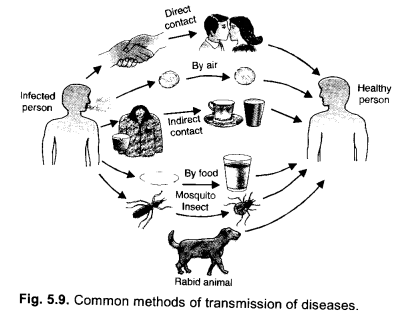
Ranjan was suffering from severe cold and cough. Still he decided to appear in unit test. Sebhan seated next to Ranjan was not affected but Robin seated behind got infected and suffered a lot. The teacher advised Ranjan to use clean hand¬kerchief during coughing and sneezing.
Question 64.
Answer the folowing questions :
- Why did Sebhan not got infected ?
- Which type of disease is cold and cough ?
- What values are shown by the teacher ? (CCE 2014)
Answer:
- Sebhan did not get infection due to either having received the pathogen in subinfective dose or possesses higher immunity.
- Cold and cough is an acute disease.
- By asking Ranjan to put a clean handkerchief during coughing and sneezing, the teacher has shown his responsibility as a counselor and guide to the student. Use of hand¬kerchief will prevent the spread of infection to other students.
Question 65.
An infant was taken to a doctor for vaccination and a card of the schedule of immunisation was issued to him. Why is he being vaccinated ? Name any three diseases for which he would be vaccinated. (CCE 2015)
Answer:
Vaccination is a method of developing immunisation against some common microbes. An infant is first of all vaccinated with DPT-Hib combined vaccine. It will protect the infant against diphtheria, pertussis (whooping cough), tetanus and influenza type B.
Question 66.
Differentiate between communicable and non-communicable disease in two points. Give one example of each.
(CCE 2015)
Answer:
| Infectious or Communicable Diseases | Non-infectious or Non-communicable Diseases |
| 1. Cause. They are caused by attack of pathogen. 2. Nature. The diseases are brought about by extrinsic or external factors. 3. Communicability. Infectious diseases can pass from diseased person to healthy person. 4. Transmission. Transmission of infection occurs through direct contact or some agent. 5. Community Hygiene. It can reduce the incidence of infectious diseases. Examples : Malaria, Cholera, Pneumonia, Tuberculosis. | They are caused by factors other than living pathogen. The diseases are mostly brought about by intrinsic or internal factors. Non-infectious diseases cannot pass from one person to another. Transmission is absent except for hereditary diseases where it occurs from parent to offspring. It is ineffective in reducing the incidence of non- infectious diseases. Examples : Diabetes, Hypertension, Goitre. |
Question 67.
(a) For the prevention of infectious diseases, some public health programs of childhood immunisation are conducted j in the country. Name four such diseases which are covered under this programme.
(b) Name a disease which has been eradicated from the world. State the principle behind this eradication. (CCE 2015)
Answer:
(a) General Ways of Preventing Infection:
There are two types of general ways of preventing infection, public health measures and personal health measures.
- Public Health Measures
- Personal Health Measures.
(b) Small pox
Question 68.
Classify the following diseases as infectious or non-infectious and also mention the cause of non-infectious disease.
- AIDS
- Cholera
- Tuberculosis
- Pneumonia
- Colour blindness
- Diabetes. (CCE 2015)
Answer:
- AIDS: Infectious,
- Cholera: Infectious,
- Tuberculosis: Infectious,
- Pneumonia: Infectious,
- Colour blindness: Non-infectious, defective heredity.
- Diabetes: Non-infectious, hormonal (deficiency of insulin).
Question 69.
Construct a table showing category of agents and one disease / infection caused by each. Why is categorisation required ?
(CCE 2015)
Answer:
- Virus: HIV, Polio
- Fungus: Ringworm, Athletes foot.
- Bacteria: Cholera, T.B.
- Protozoa: Malaria, Sleeping sickness.
- Wnm: Ascariasis, Filariasis.
Categorisation of infection causing agents is important as it helps in quicker searching of drugs against them. For ex¬ample, bacterial infections can be treated with the help of antibiotics. In each category, the metabolic pathways of the pathogens will be nearly same. Drugs distrupt these meta¬bolic pathways and kill the pathogens.
Question 70.
A baby is suffering from loose motions. Which factors may be responsible for his condition ? (CCE 2015, 2016)
Answer:
Loose motions or diarrhoea is caused by viral (e.g. Rotavirus) or bacterial (e.g. Salmonella, Shigella) infection. The disease is contracted by contamination of food, milk or water through unhygenic handling by the keeper, soiled utensils or infected care-taker.
Question 71.
Describe in detail the concept of vaccines ? Name four dis¬eases for which vaccines are available in the market ?
(CCE 2015, 2016)
Answer:
Vaccines are preparations containing heat killed or chemically weakened pathogen, or its surface coating which functions as antigens without causing the actual disease. The antigen induces the immune system of the body to develop specific T-lymphocytes and B – lymphocytes against it.
Certain T-lymphocytes function as memory cells. They are long lived. Whenever, the actual pathogen enters the body of immunised person, the memory T-lymphocytes quickly induce the formation of T-lymphocytes and B-lymphocytes to immobilize the pathogen and help in its elimination.
A combined vaccine given to infants against four diseases is DPT-Hib against diphtheria, pertussis, tetanus and Influ- enza-B.
Question 72.
Given below are two situations :
- Geeta of class IX was having common cold. She sits with Sarika who also develops the disease
- Animesh of class IX shifted to a new residence with his family where water purification system has not been installed yet. He develops cholera and dysentery. Associate these situations with their mode of transmission and assign appropriate category to them. (CCE 2015)
Answer:
- Common cold is infectious disease which spreads through droplet method. Sarika must have inhaled the infectious drop-lets and developed the disease.
- Cholera and dysentery are water (and food) borne diseases which developed in Animesh due to impure contaminated water.
Question 73.
Explain the process of inflammation. Mention the local ef¬fects and general effects of inflammation. (CCE 2015)
Answer:
Inflammation: It is swelling in the region of injury or infection where certain cells are damaged. The damaged cells release histamine which causes dilation of capillaries
and small blood vessels around the area of injury. Many white blood corpuscles come out of the capillaries to kill the pathogens. Cells and antibodies of immune system also become active. The inflammed area becomes painful and red.
Local Effects. The inflammed area becomes red and painful. General Effects. Fever, weakness.
Question 74.
How can you justify the statement ‘prevention of diseases is better than cure’ ? (CCE 2015)
Answer:
Prevention is always better than cure as a disease always causes some damage to the body, loss of working days, besides expenditure on medication. The important precautions for preventing diseases are
- Hygienic environment
- Personal hygiene
- Proper nutrition
- Clean food
- Clean water
- Regular exercise and
- Relaxation: Every body should also be aware of diseases and their spread. A regular medical check up is also reQuired.
- Immunisation programme should be followed.
Question 75.
Tabulate three differences between acute and chronic dis¬eases. (CCE 2015)
Answer:
| Acute Disease | Chronic Disease |
1. Duration. It is of shorter duration. 2. Persons. Every person suffers from an acute disease at one time or the other. 3. Body Damage. Being of shorter duration, it does not damage any organ: 4. Recovery. The recovery is generally complete after the treatment. 5. Effect. There is neither loss of weight nor feeling of weakness.6. Loss. Interruption of work and loss of efficiency are of shorter duration. Examples. Diarrhoea, Typhoid. | It is longer duration disease. Only some persons suffer from chronic diseases. It does damage the affected organ due to prolonged duration. The recovery is seldom complete even after treatment. There is often a loss of weight accompanied by feeling of tiredness. Interruption of work and loss of efficiency are prolonged. Examples. Tuberculosis, Diabetes. |
Question 76.
State giving reasons whether the following statements are correct or not
- Our surrounding area should be free from stagnant water,
- Staying clean is not necessary as long as you eat a balanced diet,
- Social equality and harmony are necessary for good health.
Answer:
- Yes, stagnant water becomes breeding place for mosquitoes which are vectors for many diseases (e.g. Malaria, Dengue, Encephalitis).
- No, both the aspects, staying clean and balanced diet are important for remaining healthy. Only balanced food will not be sufficient to protect the individual if personal hygiene is lacking.
- Yes, Social Harmony and Economic Conditions. Social equality, harmony or good relations with neighbours and others in the society are important in sharing joys and sorrows with others, receiving and giving help at the time of need. This gives a sense of belonging that is required for mental health of an individual.
Question 77.
Give the infectious agents in the case of the following diseases :
(a) Kala-azar,
(b) Dengue
(c) Sleeping Sickness. (CCE2015)
Answer:
(a) Kala-azar. Leishmania donovani, a protozoan.
(b) Dengue. DEN, a virus
(c) Sleeping Sickness. Trypanosoma gambiense.
Question 78.
Classify the following diseases as infectious and non-infec¬tions : AIDS, Tuberculosis, Cholera, High blood pressure, Pneumonia, Cancer. (CCE 2016)
Answer:
Infectious. AIDS, Tuberculosis, Cholera, Pneumonia. Non-infectious. High blood pressure, Cancer.
Question 79.
From where does the term disease originate ? ( CCE 2016)
Answer:
(a) The word disease originated from dis without and ease comfort or discomfort in the functioning of the body or its part.
Question 80.
(a) Antibiotics are successful in curing bacterial infections
but do not cure viral infections. Why ?
(b) Which system of the body is activated in response to infection and how it responds ?
(c) Name any two organisms from which antibiotics are extracted. ( CCE 2016)
Answer:
(a) Antibiotics are effective against bacterial infections because they disrupt the metabolic machinery of bacteria. Viruses do not have their own metabolic machinery. Therefore, antibiotics are unable to control viral infections.
(b) The body system activated in response to an infection is immune system. It responds to an infection by producing T-lymphocytes and B-lymphocytes that immobilise and kill the pathogen.
(c) Antibiotic Producing Organis. Pénicillium, Streptomyces.
Question 81.
Raju of class DC was suffering from chicken pox. His friends Priya and Shaurya wanted to visit him. Shaurya’s parents did not allow him to go. Priya had already suffered from chicken pox a few months before. Priya parents allowed her to visit him. What could be the reason behind their parents’ decision ? (CCE 2016, 2017)
Answer:
Chicken pox is an infectious/contagious disease. Shaurya’s parents did not allow him to visit Raju because he could catch chicken pox form him. Priya’s parents allowed her as she had developed immunity against the disease after suffering from it a few months ago. This immunity perists for life. Basis of Immunisation. Developent of pathogen specific T-lymphocytes and B-lymphocytes so as to kill the same if it enters the body. This is done through administration of antigen or immobilised pathogen. Duration of immunity depends upon the memory cells.
Question 82.
Explain any three means by which infectious diseases are spread. ( CCE 2016)
Answer:
By sexual and blood contact in case of AIDS, syphilis and some other diseases.
By vectors and carriers, e.g., malaria by female Anopheles.
Question 83.
(a) Differentiate between acute and chronic diseases (give two points).
(b) Give one example each of acute and chronic disease.
(CCE 2016)
Answer:
| Acute Disease | Chronic Disease |
1. Duration. It is of shorter duration. 2. Persons. Every person suffers from an acute disease at one time or the other. 3. Body Damage. Being of shorter duration, it does not damage any organ: 4. Recovery. The recovery is generally complete after the treatment. 5. Effect. There is neither loss of weight nor feeling of weakness.6. Loss. Interruption of work and loss of efficiency are of shorter duration. Examples. Diarrhoea, Typhoid. | It is longer duration disease. Only some persons suffer from chronic diseases. It does damage the affected organ due to prolonged duration. The recovery is seldom complete even after treatment. There is often a loss of weight accompanied by feeling of tiredness. Interruption of work and loss of efficiency are prolonged. Examples. Tuberculosis, Diabetes. |
Question 84.
(a) What are antibiotics ?
(b) Penicillin is not effective against common cold. Justify the statement by giving appropriate reason. (CCE 2016)
Answer:
(a) Antibiotics are drugs obtained from microbes or prepared synthetically that kill or prevent the growth of pathogenic microbes without harming hosts/human beings. They do so by blocking the biochemical life process of the microbes, without harming human cells, e.g., penicillin prevents cell wall synthesis while human cells are without cells walls.
(b) Diphtheria, pertussis, tetanus (DPT).
Question 85.
(a) What is immunisation ? How does it help people ?
(b) List two diseases for which vaccines are provided under Public Health Programme. ( CCE 2017)
Answer:
(a) Immunisation is the process of developing immunity against infectious diseases generally through the agency of vaccination.
Immunisaton protects people from the disease against which vaccination has been provided.
(b) Four Diseases that can be prevented through immunisation. Diphtheria, Pertussis (Whooping Cough). Tetanus, Influenza type B, Tuberculosis, Measles.
Question 86.
Mention any three factors necessary for a person to live healthy life. (CCE 2017)
Answer:
- Environment
- A clean physical environment with the help of public health services,
- A congenial social environment.
- Personal Hygiene: Personal cleanliness prevents catching up of infectious diseases.
- Nourishment: A proper balanced diet keeps the immune system strong.
- Vaccination: Timely vaccination against major diseases protects oneself from catching those diseases.
- Avoiding overcrowded areas
- Regular exercise and relaxation.
Question 87.
Which part of the body is attacked by the bacteria causing I tuberculosis if they enter through
(a) Nose
(b) Mouth.
(CCE 2017)
Answer:
(a) Through Nose: Pulmonary tuberculosis,
(b) Through Mouth: Intestinal tuberculosis,
Question 88.
Differntiate between infectious and non-infeclious diseases (any three differences). ( CCE 2017)
Answer:
| Infectious or Communicable Diseases | Non-infectious or Non-communicable Diseases |
| 1. Cause. They are caused by attack of pathogen. 2. Nature. The diseases are brought about by extrinsic or external factors. 3. Communicability. Infectious diseases can pass from diseased person to healthy person. 4. Transmission. Transmission of infection occurs through direct contact or some agent. 5. Community Hygiene. It can reduce the incidence of infectious diseases. Examples : Malaria, Cholera, Pneumonia, Tuberculosis. | They are caused by factors other than living pathogen. The diseases are mostly brought about by intrinsic or internal factors. Non-infectious diseases cannot pass from one person to another. Transmission is absent except for hereditary diseases where it occurs from parent to offspring. It is ineffective in reducing the incidence of non- infectious diseases. Examples : Diabetes, Hypertension, Goitre. |
Long Answer Questions
Question 1.
(a) Write two differences between communicable and non communical diseases,
(b) Mention any three methods that can cause spreading of AIDS. (CCE 2013)
Answer:
(a)
| Infectious or Communicable Diseases | Non-infectious or Non-communicable Diseases |
| 1. Cause. They are caused by attack of pathogen. 2. Nature. The diseases are brought about by extrinsic or external factors. 3. Communicability. Infectious diseases can pass from diseased person to healthy person. 4. Transmission. Transmission of infection occurs through direct contact or some agent. 5. Community Hygiene. It can reduce the incidence of infectious diseases. Examples : Malaria, Cholera, Pneumonia, Tuberculosis. | They are caused by factors other than living pathogen. The diseases are mostly brought about by intrinsic or internal factors. Non-infectious diseases cannot pass from one person to another. Transmission is absent except for hereditary diseases where it occurs from parent to offspring. It is ineffective in reducing the incidence of non- infectious diseases. Examples : Diabetes, Hypertension, Goitre. |
(b) Methods of Spreading AIDS:
- Unprotected sexual contact with an infected person,
- Common needles and syringes.
- Transfusion of infected blood.
- Transplacental transmission.
Question 2.
(a) What do you mean by inflammation ? What are its common effects ?
(b) Name the organ affected in a patient showing the symptoms of persistent cough and breathlessness,
(c) Which group of microbes cause diseases like malaria and kala-azar ? (CCE 2013)
Answer:
(a) Inflammation: It is swelling in the region of injury or infection where certain cells are damaged. The damaged cells release histamine which causes dilation of capillaries
and small blood vessels around the area of injury. Many white blood corpuscles come out of the capillaries to kill the pathogens. Cells and antibodies of immune system also become active. The inflammed area becomes painful and red.
(b) Lung,
(c) Protozoans (Plasmodium in malaria and Leishmania in kala-azar).
Question 3.
List the following diseases into communicable and noncommunicable diseases :
- Cancer
- High blood pressure
- Common cold
- Diabetes
- Tuberculosis
- Night blindness
- SARS
- Typhoid
- Cholera
- Dengue. (CCE 2014)
Answer:
- Cancer: Noncommunicable.
- High Blood Pressure: Noncommunicable.
- Common Cold: Communicable.
- Diabetes: Noncommunicable.
- Tuberculosis: Communicable,
- Night Blindness: Noncommunicable.
- SARS: Communicable,
- Typhoid: Communicable,
- Cholera: Communicable,
- Dengue: Communicable.
Question 4.
Mr. Iyer had cold and throat infection. Doctor prescribed an antibiotic,
(a) Which pathogens could have caused the infection ?
(b) What is the mode of action of antibiotics ? Mr. Iyer recovered from cold but he still had throat infection. Would the doctor continue the antibiotic further ? State yes or no giving reason . (CCE 2014)
Answer:
(a) Cold is commonly caused by virus while soar throat can be due to bacterial infection or allergy.
(b) Antibiotics act on bacteria and kill them by inhibiting their metabolic reactions (e.g., cell wall formation , ribosome functioning ).
Since soar throat continues, the doctor can continue to prescribe antibiotic for 3-4 days because bacterial soar throat takes about 10 days to heal.
A person is suffering from breathlessness, loss of body weight, persistent cough, feels tired and produces blood stained sputum.
Question 5.
(a) Name the type/category of disease based on duration.
(b) Name the disease and its causative agent
(c) How this disease is transmitted ?
(d) Which body part is attacked by the causative agent/pathogen ? (CCE 2014)
Answer:
(a) Chronic disease.
(b) Tuberculosis, Mycobacterium tuberculosis,
(c) Through droplet method and sputum (infected ).
(d) Lung.
Question 6.
(a) What do signs and symptoms indicate if a person is suffering from any disease ?
(b) Based on the duration of disease, what are the different
categories of diseases ? Differentiate between them with one example each. (CCE 2014)
Answer:
(a) Symptoms indicate presence of disease due to structural and functional changes in the body due to it, e.g., fever, loose motion. Signs are definite indications of particular diseases based on symptoms, e.g., intermittent fever in malaria. The same are confirmed by tests.
(b) Based on duration, diseases are of two types, acute and chronic.
Acute disease is of shorter duration which does not cause much harm to the body and from which the patient recovers completely without any loss of weight or feeling of weakness. Chronic disease is of longer duration which does harm the affected organ and from which recovery is seldom complete as there is loss of weight and feeling of tiredness.
Question 7.
(a) Identify the organism shown in the picture and write the common name and scientific name of the organism.

(b) Name the phylum and kingdom.
(c) Which organ of digestive system normally harbours this organism ?
(CCE 2014)
Answer:
(a) Common Roundworm, Ascaris lumbricoides
(b) Nemathelminthes (Phylum), animalia (kingdom),
(c) Intestine.
Question 8.
Health is not merely absence of diseases. How can we define health ? Classify diseases on the basis of
(i) Duration of diseases
(ii) Cause of diseases. Give one example of each type.
(CCE 2014, 2016)
Answer:
DefinitionDisease: It is a condition of the body or a part of it in which functions are disturbed or damaged.(i) Classification Based on Duration of Disease.
(i) Acute disease is of shorter duration which does not cause much harm to the body and from which the patient recovers completely without any loss of weight or feeling of weakness. Chronic disease is of longer duration which does harm the affected organ and from which recovery is seldom complete as there is loss of weight and feeling of tiredness.
(ii) Classification Based on Cause of Disease:
- Pathogens. Many bacteria, viruses, fungi, protozoans and worms produce diseases, spreading from an infected
person to healthy one through various means of transport, e.g., Malaria, Diarrhoea, TB. - Deficiency. Nutrient deficiency including that of minerals and vitamins, leads to several diseases like marasmas, kwashiorkor, pellagra, goitre, anaemia.
- Genetic Disorders. Caused by defective heredity, e.g., haemophilia.
- Degenerative Disorders. Natural defects appearing due to senescence, e.g., hypertension, atherosclerosis, arthritis.
Question 9.
State four differences between infectious and noninfectious diseases giving one example of each. (CCE 2014)
Answer:
| Infectious or Communicable Diseases | Non-infectious or Non-communicable Diseases |
| 1. Cause. They are caused by attack of pathogen. 2. Nature. The diseases are brought about by extrinsic or external factors. 3. Communicability. Infectious diseases can pass from diseased person to healthy person. 4. Transmission. Transmission of infection occurs through direct contact or some agent. 5. Community Hygiene. It can reduce the incidence of infectious diseases. Examples : Malaria, Cholera, Pneumonia, Tuberculosis. | They are caused by factors other than living pathogen. The diseases are mostly brought about by intrinsic or internal factors. Non-infectious diseases cannot pass from one person to another. Transmission is absent except for hereditary diseases where it occurs from parent to offspring. It is ineffective in reducing the incidence of non- infectious diseases. Examples : Diabetes, Hypertension, Goitre. |
Mrs. Chaturvedi had just recovered from tuberculosis. She still felt weak and tired all the time.
Question 10.
What do you infer about the type of disease ? Write three characteristics of such diseases. Name two other diseases belonging to this category. (CCE 2015)
Answer:
Tuberculosis is a chronic disease of lungs. Despite her recovery, Mrs. Chaturvedi is unable to obtain required oxygen and hence energy due to permanent damage to lungs and some other parts of the body.
Characteristics of Chronic Diseases:
- Duration: Chronic diseases are long duration diseases,
- Build up: The disease begins with milder course but builds up with time.
- Fatigue: The patient feels tired with shortness of breath, poor appetite and loss of weight.
Other Examples. Diabetes, Hypertension.
Question 11.
“Over crowded and poorly ventilated housing is a major factor in the spread of air-borne diseases. Explain the statement and support vour answer with diagram also.
(CCE 2015, 2016)
Answer:
Air borne diseases are mostly the ones which infect nose, throat and lungs (cold, flu, pneumonia, tuberculosis), as they lie in the passage way of breathed air. A patient suffering from such a disease will send out the pathogens in droplets during coughing and sneezing. Any body present with in 2 metre distance of the patient will inhale the same and get inflected. As the liquid in the droplets evaporates, droplet nuclei are formed which continue to circulate and re-circulate in the air. In poorly ventilated and over-crowded accomodation, the droplet nuclei will be inhaled by every body and infect the same.
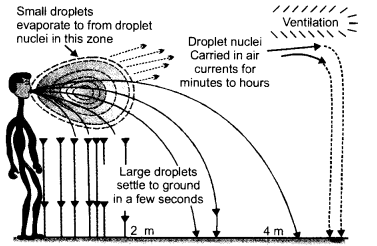
Question 12.
Give the ways by which microbial agents can commonly move from infectious person to someone else for the following diseases.
(a) Cholera
(b) Pneumonia
(c) Common cold
(d) Malaria
(e) Fungal infection. (CCE 2015)
Answer:
(a) Cholera. Contaminated water and food, directly or through flies.
(b) Pneumonia. Droplet transmission.
(c) Common Cold. Droplet transmission,
(d) Malaria. By female Anopheles (mosquito).
(e) Fungal Infection. Direct or indirect contact.
Question 13.
Justify the statement,
(a) Availability of proper and sufficient food would protect from infectious diseases,
(b) The general ways of preventing infection mostly relate to preventing exposure. List three points of prevention of exposure.
(CCE 2015)
Answer:
(a) Proper and sufficient food means that the person develops a good health so that all body systems function optimally. The immune system becomes strong. A strong immune system protects the body from many infectious diseases if the infective dose is not very large.
(b)
- Air Borne Microbes. Overcrowding causes rapid spread of air borne and contagious diseases, e.g, common cold. Therefore, proper spacing should be ensured at home, schools and public places.
- Water Borne Microbes. Safe drinking and bathing water ensures protection against water borne diseases like cholera.
- Vector Borne Microbes. Protection from vector borne microbes (e.g., dengue, malaria) can be obtained by proper garbage disposal, sewage disposal, covering and cleaning of drains and occasional spraying of insecticides.
Question 14.
Explain giving reasons :
(a) Balanced diet is necessary for maintaining healthy body,
(b) Health of an individual depends upon the surrounding environmental conditions.
(c) Our surrounding areas should be free from stagnant water.
(d) Social harmony and good economic conditions are necessary for good health. (CCE 2015)
Answer:
(a) Proper and sufficient food means that the person develops a good health so that all body systems function optimally. The immune system becomes strong. A strong immune system protects the body from many infectious diseases if the infective dose is not very large.
(b) Environmental Conditions. A clean environment with regular disposal of garbage, drainage and sewage services prevents growth of vectors and pests. Fewer diseases occur in such an area. On the other hand, a filthy environment with poor drainage and sewage services will cause increased number of infections.
(c) Stagnant Water. It is source of mosquito breeding, stink and other unhygenic conditions. It promotes vector borne diseases.
(d) Social Harmony and Economic Conditions. Social equality, harmony or good relations with neighbours and others in the society are important in sharing joys and sorrows with others, receiving and giving help at the time of need. This gives a sense of belonging that is required for mental health of an individual.
Good economic conditions provide proper nutrition, clothing, education, health care, outings and other facilities in the family that are helpful to maintain physical and mental health of all the members.
Question 15.
“Educating parents would help a lot in reducing incidences of diseases in children”. Justify the statement with five reasons. (CCE 2019)
Answer:
Children are dependent upon their parents for their nutrition, hygiene, upkeep and protection from diseases. It is, therefore, important to educate the parents about the same.
- Balanced Diet: A child should be given proper diet that is balanced, nutritive and having ingredients required for growth.
- (it) Clean Food and Water: The food and water given to the children should be free from all contaminants. The food should be prepared fresh while water should be properly filtered or preboiled and cooled.
- Proper Hygiene: Children should have a daily bath, cleaning of teeth, hand washing, clean clothes and taken care while crawling or playing so that they do not catch up any pathogen.
- Regularity: A child requires a regular routine which should involve proper rest, proper excercise, timing of feeding, bathing, sleeping and recreation.
- Vaccination: Sticking to vaccination schedule for children is a must for avoiding many diseases.
Question 16.
(a) “An exposure with an infectious microbe does not necessarily mean developing noticeable disease.” Do you agree ? Explain with reason.
(b) If yes, how severe infections occur in our body ?
(CCE 2019
Answer:
(a) An infectious microbe is able to cause a disease only if the immune system of the person is unable to put proper defence against it. Many persons have strong immune system or have acquired immunity against the pathogen or the pathogen attack is less than the infective dose. In such cases, despite exposure to infective microbe, the person will not catch the disease.
(b) Severe Infections. They occur when the immune system of the body has become weak or the person has suffered from a previous infection and is just recovering or the person is suffering from dietary deficiencies, or is surrounded by unhygenic environment.
Question 17.
(a)
- Why an antibiotic is not effective in the common cold ?
- Name two diseases against which infants below one year are vaccinated,
- List two symptoms of any one of these diseases.
(b) The general way of preventing infections mostly relate to peventing exposure to the disease agent. Explain the statement with examples. (CCE 2019)
Answer:
(a)
- Antibiotics (e.g, penicillin) are not effective in common cold because common cold is mostly a viral infection while antibiotics are useful in treating only bacterial infections.
- Diphtheria, pertussis, tetanus (DPT).
- Symptoms of Pertussis
- Inspiratory whoop
- Cough.
(b)
- Air Borne Microbes. Overcrowding causes rapid spread of air borne and contagious diseases, e.g, common cold. Therefore, proper spacing should be ensured at home, schools and public places.
- Water Borne Microbes. Safe drinking and bathing water ensures protection against water borne diseases like cholera.
- Vector Borne Microbes. Protection from vector borne microbes (e.g., dengue, malaria) can be obtained by proper garbage disposal, sewage disposal, covering and cleaning of drains and occasional spraying of insecticides.
Question 18.
(a) What kind of food is advised when we fall sick and why ?
(b) Mention any three basic conditions required for good health. (CCE 2019)
Answer:
(a) Bland, easily digestible and balanced food that provides all the ingredients for proper functioning and recovery of the body.
(b) Good Health. The three basic conditions required for good health are :
- Freedom from disease and infirmity.
- Social well being.
- Absence of mental problems.
Question 19.
(a) (i) Write the principles of treatment that are generally followed by a doctor to treat infectious diseases.
(ii) Write any two ways by which HIV (AIDS virus) may get transmitted from one person to another.
(b) Antibiotics can control bacterial infections but not viral infections. Why ? (CCE 2019)
Answer:
(a)
(i) There are two ways to treat an infectious disease. They are
- Reduce the Effect of Disease by
- Symptomatic treatment like use of antipyretic, analgesic, antidiarrhoeal or antiallergic medicine,
- Bed rest.
- Killing the Infectious Agent. After proper diagnosis of the pathogen, pathogen specific medicine is given to kill the same. Antibiotic medicines are available for killing bacterial pathogens. Similarly anti-fungal anthelmintic and antiprotozoan medicines are also available. However, very few antiviral medicines are available as viruses do not have any metabolic machinery of their own (which can be attacked by any medicine).
(ii)
- Unprotected sexual contact with an infected person,
- Common needles and syringes.
- Transfusion of infected blood.
- Transplacental transmission.
(b) Antibiotics are effective against bacterial infections because they disrupt the metabolic machinery of bacteria. Viruses do not have their own metabolic machinery. Therefore, antibiotics are unable to control viral infections. Differentiate between
Question 20.
- Acute disease and chronic disease
- Infectious disease and noninfectious disease
- Symptom based treatment and microbe based treatment
- Antibiotics and vaccines
- Congenital disease and acquired disease.
(CCE 2016)
Answer:
- Acute and Chronic Disease.
An acute disease is of shorter duration which causes little damage to the body.
A chronic disease is of longer duration which damages the body system affected by it. - Infectious and Noninfectious Diseases.
Infectious or Communicable Diseases. The diseases are caused by pathogens like : Bacterial, e.g., typhoid, tuberculosis,
Non-infectious or Non-communicable Diseases. The diseases are caused by metabolic disorders, hormonal imbalance and degenerative changes, e.g., diabetes, hypertension. - Symptoms Based Treatment and Microbe Based Treatment. Symptom based treatment is meant for giving immediate relief to the body from effect of the disease while microbe based treatment is meant for eliminating the disease causing microbe.
- Antibiotics and Vaccines. Antibiotics are drugs (basically produced by microbes) which are used to eliminate disease causing bacteria. Vaccines are preparations containing heat killed or chemically weakened pathogens or their coating which are used to develop immunity against the disease.
- Congenital Disease and Acquired Disease.
Congenital Disease is present from birth, e.g., hare-lip, haemophilia.
Acquired Disease id the disease is picked up after birth. Acquired diseases are of two types, infectious and non-infectious.
Question 21.
- (i) List two conditions essential for health,
(ii) Healthy balanced diet helps in preventing diseases. How ? - State in tabular form the method of transmission of each of the following diseases :
(i) Cholera
(ii) HIV—AIDS
(iii) Malaria
(iv) Pneumonia.
(CCE 2016)
Answer:
- (i) Absence of disease, physical, mental and social well being,
(ii) Proper balanced nourishment maintains the health of all body systems including the immune system. - Cholera— Contaminated food and water HIV-AIDS— Sexual contact, Blood contact.
Malaria — Female Anopheles Pneumonia— Air transmission.
Question 22.
- Name any one disease caused by each of the following :
- Protozoa
- Virus
- Bacteria
- Fungi.
- How is malaria disease transmitted ?
- What are the common preventive measures taken against communicable diseases ? (CCE 2017)
Answer:
- Protozoa. Malaria
- Virus. Chicken pox
- Bacteria. Typhoid
- Fungi. Ringworm.
- Female Anopheles. While sucking blood from a sick person to healthy person.
- Vaccination
- Protection from mosquitoes
- Protection from contamined food and water
- Hygienic living.
Question 23.
Associate the following diseases/infections with their causative agents :
- Sleeping sickness
- SARS
- Kala- azar
- Acne
- AIDS
- Dengue fever
- Malaria
- Brain fever
- Chicken pox
- Polio. (CCE 2017)
Answer:
- Sleeping Sickness. Trypanosoma gambiense (a protozoan)
- SARS (Severe Acute Respiratory syndrome). Virus, SARS-coV.
- Kala-azar. Leishmania donovani ( a protozoan).
- Acne. Staphylococus (a bactrium).
- AIDS. HIV (Human Immuno deficiency Virus)
- Dengue Fever. Virus (DENV).
- Malaria. Plasmodium (a protozoan).
- Brain Fever. Virus (Flavi Virus)
- Chicken pox. Virus (Varicella zoster)
- Polio. Polio Virus.
Hope given Previous Year Question Papers for CBSE Class 9 Science Chapter 13 Why Do we Fall Ill are helpful to complete your science homework.
If you have any doubts, please comment below. Learn Insta try to provide online science tutoring for you.


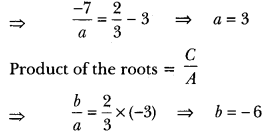
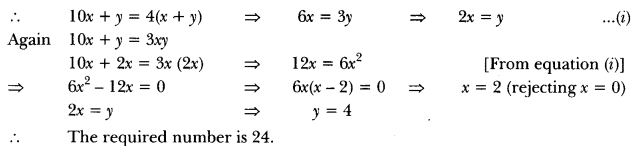
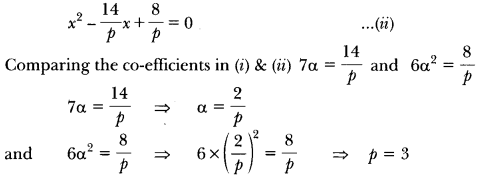
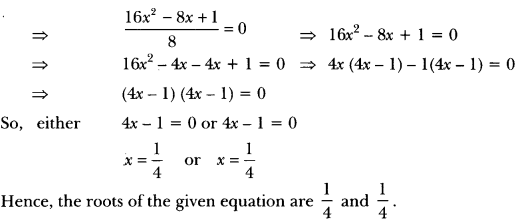

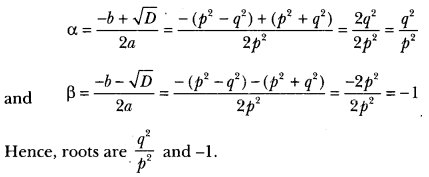
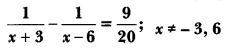
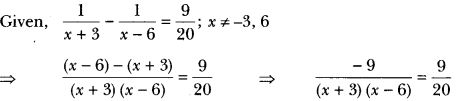
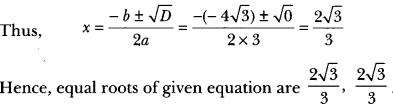
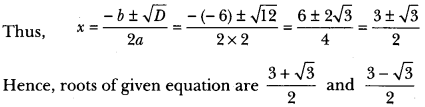
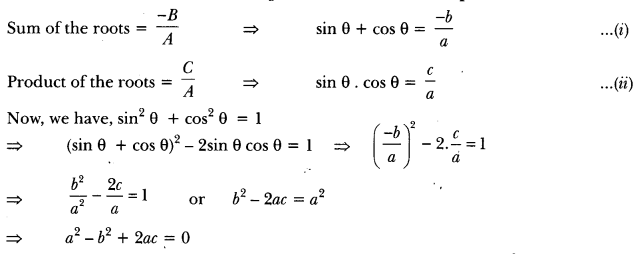
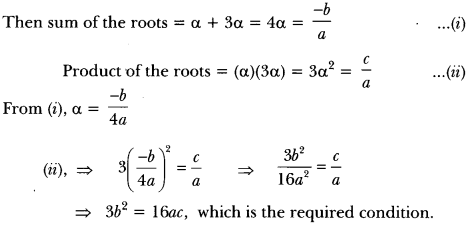
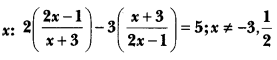








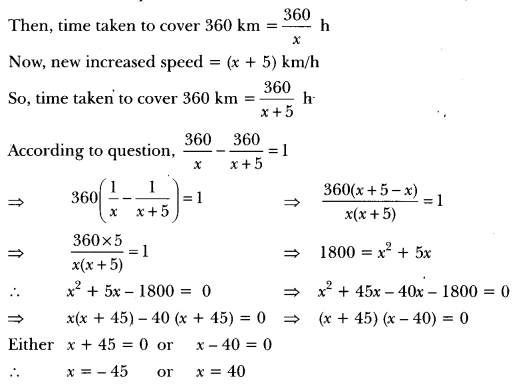
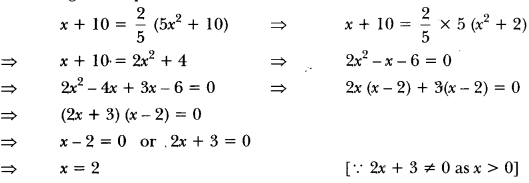
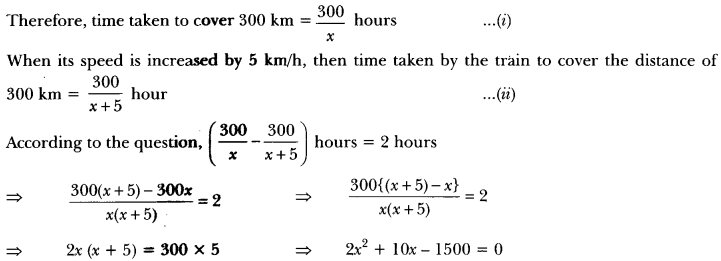

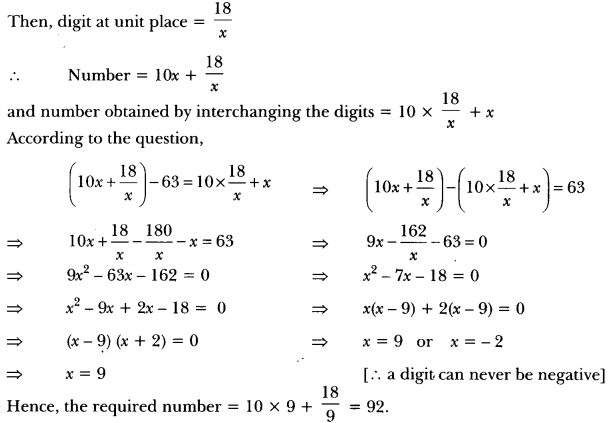

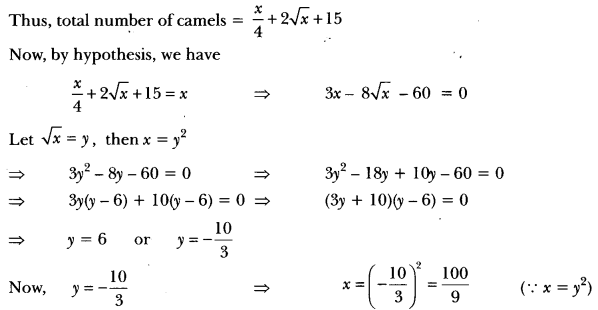
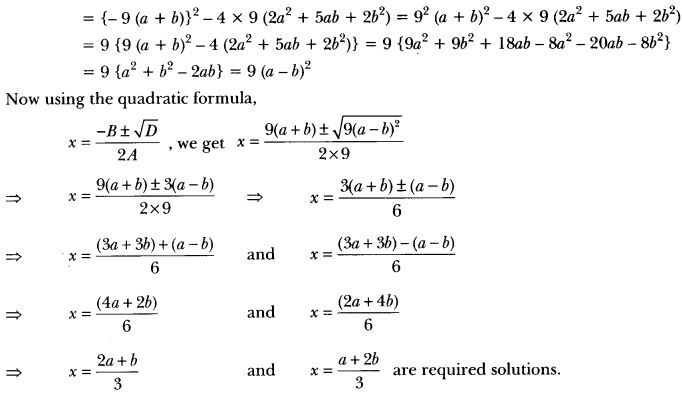
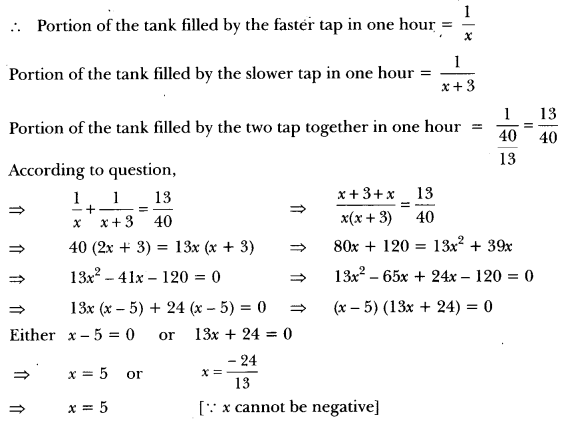
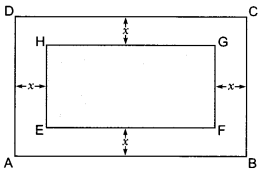
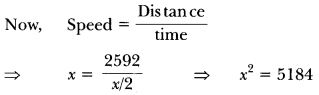



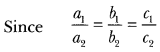
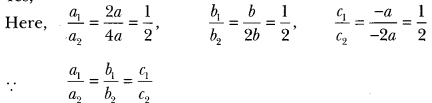
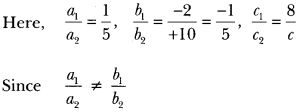
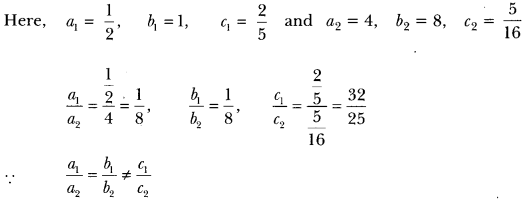
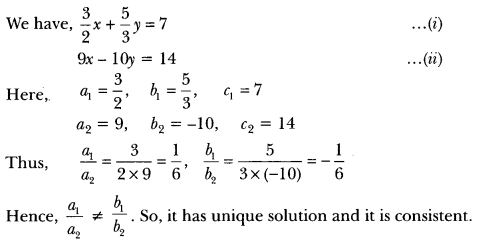
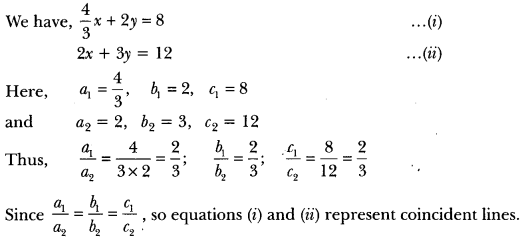
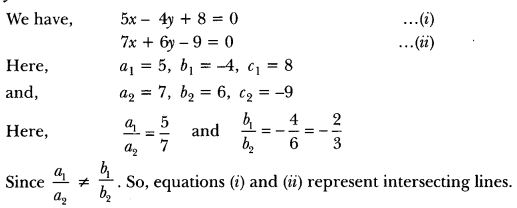

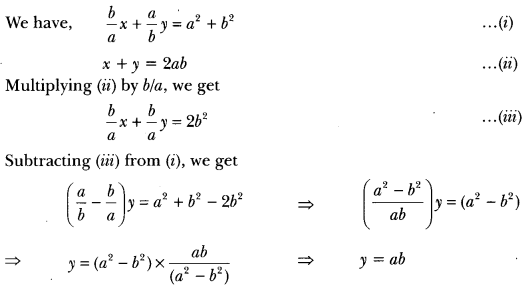
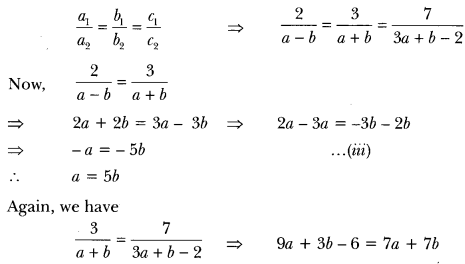
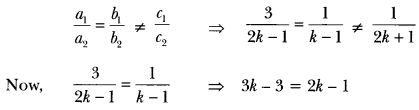
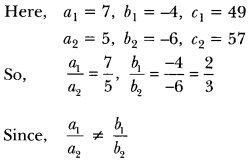




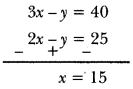


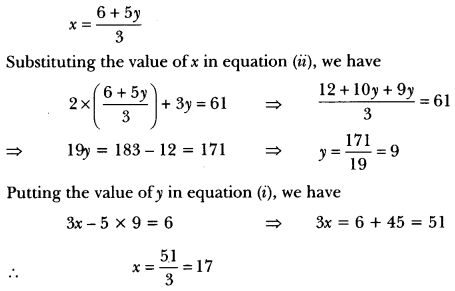
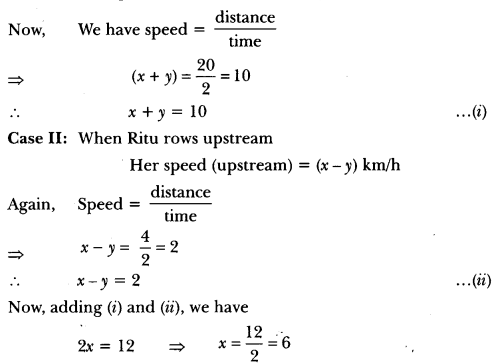
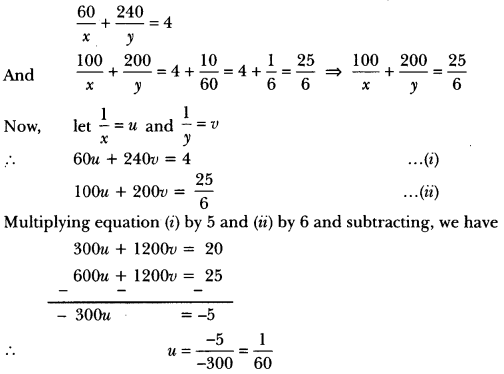
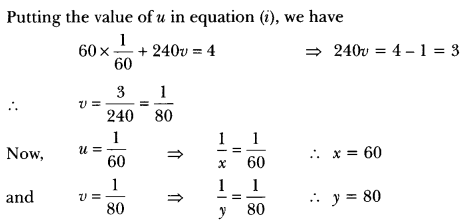
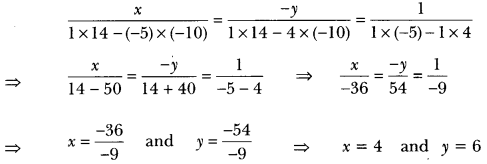
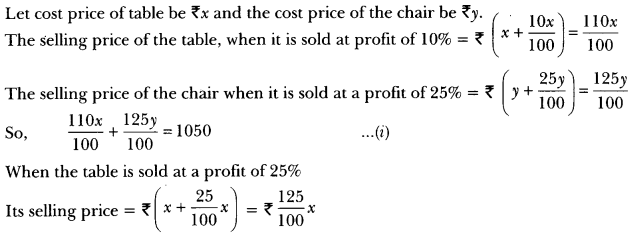 ”
”