Heat Class 7 Notes Science Chapter 4

On this page, you will find Heat Class 7 Notes Science Chapter 4 Pdf free download. CBSE NCERT Class 7 Science Notes Chapter 4 Heat will seemingly help them to revise the important concepts in less time.

CBSE Class 7 Science Chapter 4 Notes Heat

Heat Class 7 Notes Understanding the Lesson

1. Heat is a form of energy.

2. The hotness and coldness of a body is relative.

3. Our sense of touch is not always a reliable guide to the degree of hotness of an object.

4. The measure of degree of hotness of an object is called temperature.

5. Thermometer is a device which is used to measure temperature.

6. The thermometer that measures our body temperature is called a clinical thermometer.

7. Clinical thermometer consists of a long, narrow, uniform glass tube and a bulb at one end. It has a kink which prevents mercury level from falling on its own. The range of this thermometer is from 35°C to 42°C (Fig. 4.1).
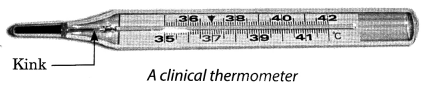
Heat Class 7 Notes Science Chapter 4 1

8. The normal temperature of human body is 37°C.

9. To measure the temperature of non-living objects, a laboratory thermometer is used. The range of laboratory thermometer is from -10°C to 110°C. (Fig. 4.2).

Heat Class 7 Notes Science Chapter 4 2

10. Nowadays, a digital thermometer is used instead of a clinical thermometer. It has no mercury in it.

11. Heat always flows from higher temperature to lower temperature. The three ways in which heat can flow from one object to another are conduction, convection and radiation.

12. The process by which heat is transferred from the hotter end to the colder end of an solid object is known as conduction.

13. The materials which allow heat to pass through them easily are called conductors. For example, iron, copper, zinc, etc.

14. The material which do not allow heat to pass through them easily are called poor conductors or insulators. For example, plastic, rubber, wood, etc.

15. Convection is the process of transferring heat from a hotter region to cooler region by the actual movement of particles. It generally occurs in liquid and gaseous medium.

16. Convection takes place when the air near the heat source gets hot and rises. The air from sides comes in to take its place.

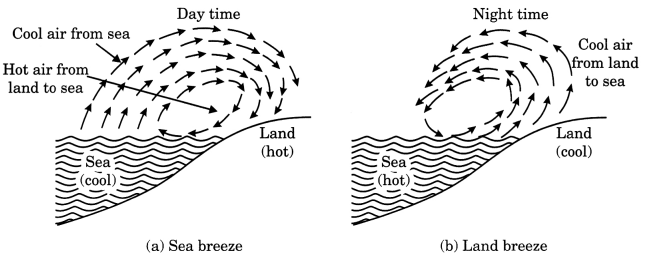
17. The flow of cool air from the sea towards the land to replace the hot air on land, is called sea breeze [Fig. 4.3(a)]. This phenomenon takes place during the day.

18. During the night, the currents of air flow from the cooler land towards the warmer sea. This is called land breeze. [Fig. 4.3(b)],
Heat Class 7 Notes Science Chapter 4 3

19. The process of transmission of heat without any contact between the source and the object is called radiation.

20. All hot bodies radiate heat.

21. Dark-coloured objects absorb radiation better than the light-coloured objects. That is the reason we feel more comfortable in light-coloured clothes in the summer.

22. Woollen clothes keep us warm during winter. This is because wool is a poor conductor of heat and it has air trapped in between the fibres.

Class 7 Science Chapter 4 Notes Important Terms

Celsius scale: Celsius scale or centigrade scale is the unit used for measurement of temperature. It is a metre scale of temperature.

Conduction: The process by which heat is transferred from the hotter end to the colder end of an object is known as conduction.

Conductor: The material which allow heat to pass through them easily is called conductor.

Convection: The process of transferring heat from a hotter region to cooler region by the actual movement of particles is called convection.

Insulator: The material which do not allow heat to pass through them easily is called insulator.

Land breeze: The process of flowing of air currents from the cooler land towards the warmer sea is called land breeze.

Radiation: The process of transfer of heat in which no medium is required is called radiation.

Sea breeze: The flow of cool air from the sea towards the land to replace the hot air on land is called sea breeze.

Temperature: The reliable measure of the hotness of an object is called temperature.

Thermometer: A device used to measure the temperature is called thermometer.
Preposition Exercises for Class 7 CBSE With Answers

Preposition Exercises for Class 7

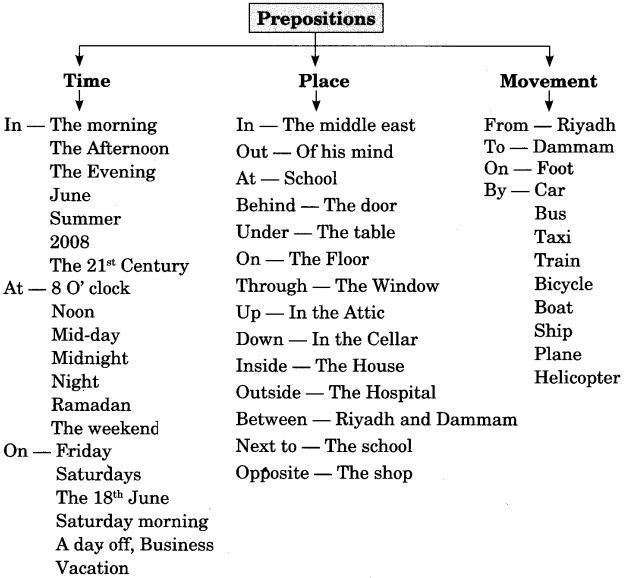
Definition: A preposition is a word placed before a noun or a pronoun to show in what relation the person or thing denoted by it stands in regard to something else.

This grammar section explains English Grammar in a clear and simple way. There are example sentences to show how the language is used. You can also visit the most accurate and elaborate NCERT Solutions for Class 7 English. Every question of the textbook has been answered here.

For example:

  • There is a cow in the field.
  • He is fond of tea.
  • The cat jumped off the chair.

In Sentence 1, the preposition joins a noun to another noun;
In Sentence 2, the preposition joins a noun to an Adjectives,
In Sentence 3, the preposition joins a noun to a verb.

Preposition Exercises for Class 7 CBSE With Answers Pdf

The noun or pronoun which is used with a preposition is called its objects. It is an Accusative case and is said to be governed by the preposition.

As, in sentence 1, the noun field is in the Accusative case, governed by the preposition in.
A preposition may have two or more objects; as, the road runs over hill and plain.
A preposition is usually placed before its object, as, which of these chairs did you sit on?

Preposition Exercises Solved Examples for Class 7 CBSE

Note 1: When the object is the Relative pronoun that, as in sentence 1, the preposition is always placed at the end.
Note 2: Sometimes the object is placed first for the sake of emphasis.
Preposition Exercises for Class 7 CBSE With Answers

Exercise on preposition – buses

Question 1.
Complete the exercise with the correct prepositions.
(i) If you want to go ________ bus, you have to go the bus stop.
(ii) You look ________ the time table.
(iii) Then you wait ________ your bus.
(iv) When the bus arrives. You get ________ the bus.
(v) You buy a ticket ________ the driver or show your ticket ________ the driver.
(vi) When you arrive. ________ your destination, you get ________ the bus.
(vii) Sometimes you even have to change buses ________ another bus stop.
Answer:
(i) by, to
(ii) at
(iii) for
(iv) on
(v) from, to
(vi) off
(vii) at

Question 2.
Complete the exercise with the correct prepositions.
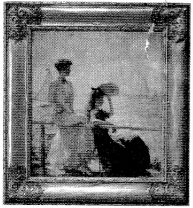
(i) Look ________ this painting.
(ii) ________ the painting, you can see a little girl.
(iii) So, it is a painting ________ a girl.
(iv) A famous painter painted it. So it is a painting ________ a famous painter.
(v) My grandma once owned the painting, but she gave it to me on my birthday.
So it is a picture ________ my grandma.
Preposition Exercises for Class 7 CBSE With Answers
Answer:
(i) at
(ii) In
(iii) of
(iv) by
(v) from

Question 3.
Fill in the correct prepositions,
(i) Peter is playing tennis ________ Sunday.
(ii) My brother’s birthday is ________ the 5th of November.
(iii) My birthday is ________ May.
(iv) We are going to see my parents ________ the weekend.
(v) ________ 1666, a great fire broke out in London.
(vi) I don’t like walking alone in the streets ________ night.
(vii) What are you doing ________ the afternoon?
(viii) My friend has been living in Canada ________ two years.
(ix) I have been waiting for you ________ seven o’clock.
(x) I will have finished this essay ________ Friday.
Answer:
(i) on
(ii) on
(iii) in
(iv) at
(v) In
(vi) at
(vii) in
(viii) for
(ix) since
(x) by

Preposition Exercises Practice Examples for Class 7 CBSE

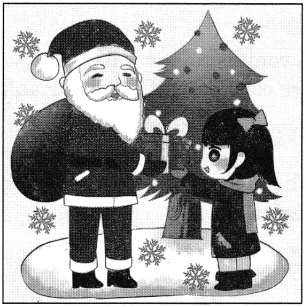
1. Complete the exercise according to the picture.
Preposition Exercises for Class 7 CBSE With Answers

  1. ________ the picture, I can see Santa Claus and a girl.
  2. Santa is sitting ________ a chair.
  3. The girl is standing ________ Santa.
  4. Santa and the girl are looking ________ each other.
  5. The girl has a present ________ her hands. the girl, there is a Christmas tree.
  6. There are more presents ________ the tree.
  7. Santa’s big bag is lying ________ the floor.

2. Complete the sentences using prepositions.

1. Jiwan soon rowed __________ the river and tied __________ the boat __________ the other side.
2. __________ both sides __________ the lonely road there were endless mighty trees.
3. __________ the holidays I intend to visit many places which I have heard __________ friends who have been __________ those places.
4. The new dam that was built __________ the river produces electricity __________ many parts of the country.
5. I made an urgent request __________ their help to look __________ the key __________ the storeroom.
6. He parked his car __________ a line of parked cars __________ the building.
7. __________ about two weeks we’re going __________ holiday __________ the Sahara Desert.

8. I expect to return __________ Shanghai __________ about a week’s time to continue __________ my poinnering reasearch __________ why frogs croak __________ night and not __________ the daytime.

9. Water splashed __________ my face when the bottle slipped __________ my hand and dropped __________ the basin full __________ water.

10. __________ the past few weeks, I was __________ hospital recovering __________ a mysterious illness. I was well looked __________ __________ doctors and nurses.

Word Search
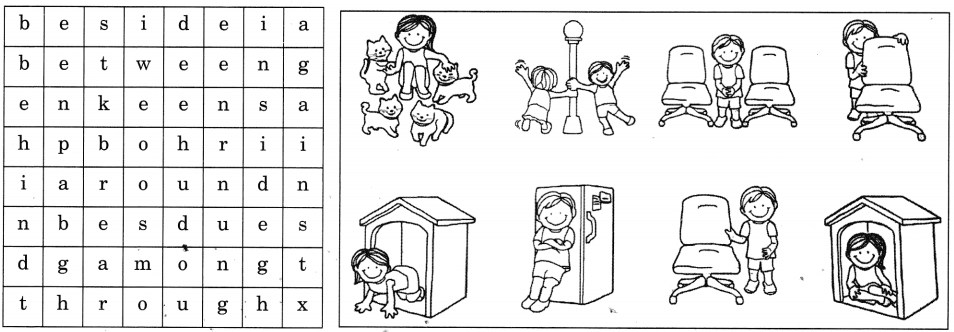
1. Write the preposition in the space provided.
2. Find the word in the word search puzzle.
(Word only run across and down.)
Preposition Exercises for Class 7 CBSE With Answers

Paragraph Writing Topics for Class 3 CBSE Format, Samples, Examples

Essays are common in elementary, middle, high school and college, and one may even need to write essays in the business world. An essay is defined as “a short piece of writing that expresses information as well as the writer’s opinion.” An essay is, generally, a piece of writing that gives the author’s own argument — but the definition is vague, overlapping with those of a paper, an article, a pamphlet, and a short story. Essays have traditionally been sub-classified as formal and informal.

This grammar section explains English Grammar in a clear and simple way. There are example sentences to show how the language is used.

Paragraph Writing Topics for Class 3 CBSE Format, Samples, Examples

In paragraph writing, we form a group of sentences that describes or explains an idea.

Paragraph Writing Exercises for Grade 3 with Answers CBSE Pdf

Always remember to follow the points while writing a paragraph.

  • First of all, write the title of the paragraph.
  • Develop the outline of the paragraph with the topic words.
  • Develop topic Words into small and simple sentences by giving more details.
  • Concluding sentence.

Look at the examples:
Sample-1: Write a short paragraph on ‘The Elephant’.

Step 1 Give the Title → The Elephant
Step 2 Make the Outline → A wild animal- tamed by man – found in southern India – its appearance – its food – its uses – the elephant in India.

The elephant is a wild animal. But it can be tamed by man. It is found in Kerela and Karnataka. It lives in thick forests there. The elephant is the biggest land animal. It is dark. It has a large trunk. It has two tusks of ivory.

Step 3 Develop Topic Words
Its food is simple. It eats grass and leaves. It loves to eat sugarcane. The elephant has many uses. It can lift and carry heavy loads. It is used in religious processions. In ancient times, king and queens used to ride elephants. They were also used in battles. Elephants have been in India for centuries.

Sample 2: Write a short paragraph on ‘The Game I like- Cricket’.
Step 1 Give the Title → The Game I Like- Cricket
Step 2 Make the Outline → A historic Game – Popular in India – Play it with my friends- play on Sundays- also watch cricket.

Cricket is a historic game. It has been played for over a hundred years. It began in England. The british brought it to India. It is now the most popular game in India.

Step 3 Develop Topic Words
I play it with my friends in the big ground near our colony. I also enjoy watching cricket. These days One day Internationals and Twenty over matches are quite popular. They are thrilling. I watch specially when India plays. We feel proud wherever India wins.

Paragraph Writing Practice Worksheets Pdf Class 3 CBSE

A. Practice 1:
Write a short paragraph in your notebook on ‘My Native place- Delhi’ with the help of outline given below.
Old city of Muslims- City of Monuments- Capital of India – Metro city

………………………………………………………………………………………………………………………………………………………………………………..
………………………………………………………………………………………………………………………………………………………………………………..
………………………………………………………………………………………………………………………………………………………………………………..
………………………………………………………………………………………………………………………………………………………………………………..
………………………………………………………………………………………………………………………………………………………………………………..
………………………………………………………………………………………………………………………………………………………………………………..
………………………………………………………………………………………………………………………………………………………………………………..

B. Practice 2:
Write a short paragraph on ‘My School in your notebook with the help of the outline given below.
Name and location of my school- Famous for- Sports facilities- playground – indoor games – swimming pool – Store house of knowledge called Library-Learning of fine arts (music, painting, dancing, etc.) and crafts (carpentry, making paper toys). Good laboratories for science- Good results in local and board examinations.

………………………………………………………………………………………………………………………………………………………………………………..
………………………………………………………………………………………………………………………………………………………………………………..
………………………………………………………………………………………………………………………………………………………………………………..
………………………………………………………………………………………………………………………………………………………………………………..
………………………………………………………………………………………………………………………………………………………………………………..
………………………………………………………………………………………………………………………………………………………………………………..
………………………………………………………………………………………………………………………………………………………………………………..

Picture Story Writing for Class 3 CBSE Format, Topics, Examples, Samples

Picture Story Writing for Class 3 CBSE Format, Topics, Examples, Samples 1
This grammar section explains English Grammar in a clear and simple way. There are example sentences to show how the language is used.

Picture Story Writing for Class 3 CBSE Format, Topics, Examples, Samples PDF

It is a form of writing stories using pictures. Look at the example.

Picture Story Writing for Class 3 with Answers PDF

Sample:
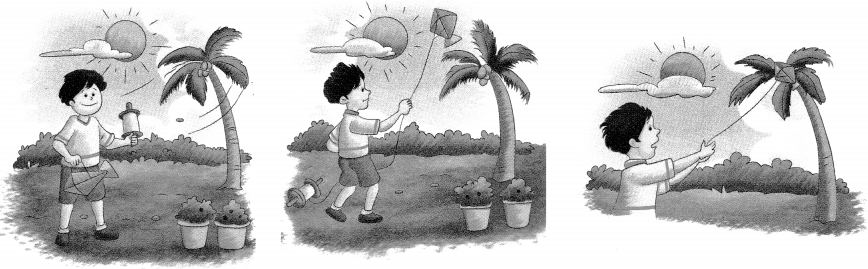
Look at the given pictures. Write three short paragraphs about what you think may have happened. Remember to write the title.
Picture Story Writing for Class 3 CBSE Format, Topics, Examples, Samples 2

Title — Flying a Kite

Paragraph 1
Raju woke up early. It was a clear, sunny day. A perfect day to fly his kite. He went to a park that was close to his house.

Paragraph 2
The wind was favourable and his kite went up high in the sky. Raju was feeling excited. Slowly a strong breeze blew his kite towards a tall tree. It got stuck in the branches of the tree.

Paragraph 3
Raju tried hard to get his kite out of the tree, but he could not. He had no more kites to fly so he returned home.

Picture Story Writing for Class 3 Worksheets CBSE PDF

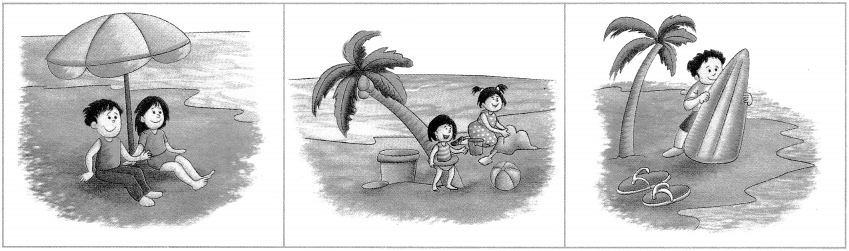
A. Look at the pictures. Write three short paragraphs in your notebook about what you think may have happened. Remember to give a title.
Picture Story Writing for Class 3 CBSE Format, Topics, Examples, Samples 3
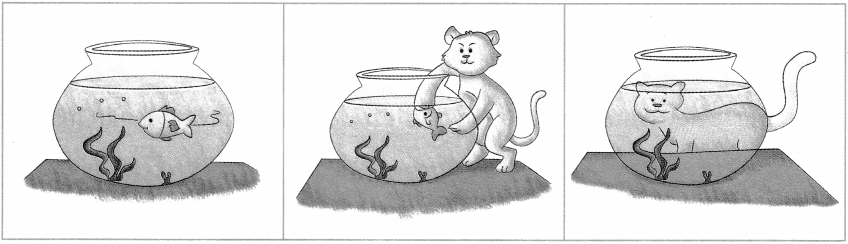
B. Look at the pictures. Write three short paragraphs about what you think may have happened. Remember to give a title.
Picture Story Writing for Class 3 CBSE Format, Topics, Examples, Samples 4

Fibre to Fabric Class 7 Notes Science Chapter 3

On this page, you will find Fibre to Fabric Class 7 Notes Science Chapter 3 Pdf free download. CBSE NCERT Class 7 Science Notes Chapter 3 Fibre to Fabric will seemingly help them to revise the important concepts in less time.

CBSE Class 7 Science Chapter 3 Notes Fibre to Fabric

Fibre to Fabric Class 7 Notes Understanding the Lesson

1. Silk and wool are animal fibres because silk comes from silkworms and wool is obtained from fleece, i.e., hairs of sheep, goat, yak and some other animals.

2. The wool-yielding animals bear a thick coat of hair on their body. Hair keeps these animals warm because hair trap air which does not let the heat release from their body due to its poor conductivity.

3. The hairy skin of the sheep has two types of fibres that form the fleece:

  • the coarse beard hair; and
  • the fine soft under hair close to the skin.
  • The fine hair provides the fibres for making wool.

4. Some breeds of sheep have only fine under-hair. Their parents are specially chosen to give birth to sheep with fine under-hair only. This process of selecting parents for obtaining special characters in their offsprings, such as soft under-hair in sheep, is called selective breeding.

5. Apart from sheep, wool is also obtained from yak, angora goat, camel, Lama and alpaca.

6. Sheep are reared in many parts of our country for wool. Certain breeds of sheep have thick coat of hair on their body which yields good quality of wool. Once the reared sheep have developed a thick growth of hair, hair is shaved off for obtaining wool.

7. Wool production involves various steps. The hair of the wool yielding animals is cut and processed into wool. Different steps are shearing, scouring, sorting, grading, dyeing and making yarn.

8. The rearing of silkworms for getting silk is called sericulture.

9. Silkworms are caterpillars of silk moth which feed on leaf of mulberry.

10. During their life cycle, the worms spin cocoons of silk fibres.

11. Silk fibres are made of protein.

12. Silk fibres from cocoons are separated out by reeling the silk.

13. Reeling is done in special machines, which unwind the threads or fibres of silk from the cocoon. Silk fibres are then spun in threads and then into cloth.

Class 7 Science Chapter 3 Notes Important Terms

Cocoon: Caterpillar completely covers itself by silk fibres and turns into pupa. This covering is known as cocoon.

Fleece: Hair on the body or outer coat of sheep or yak is called fleece. It is the source of wool.

Reeling: The process of taking out threads from the cocoon for use as silk is called the reeling the silk.

Scouring: The sheared skin with hair is thoroughly washed in tanks to remove grease dust and dirt. This is called scouring.

Sericulture: The production of raw silk by raising silkworms is called sericulture.

Shearing: The process of removing fleece of the sheep along with a thin layer of skin from its body is called shearing.

Silkmoth: The silk moth develops from pupa inside the cocoon. The silk yarn or thread is obtained from the cocoon of the silk moth.

Sorting: Separation of hairy skin in different textures is called sorting.

Caterpillars: The female silk moth lays eggs; from which worm-like larva called caterpillars or silkworms are hatched.

Mulberry silk moth: The most common silk moth, Bombyx mori, is known as mulberry silk moth.