The Bishop’s Candlesticks Extra Questions and Answers Class 9 English Literature

Here we are providing The Bishop’s Candlesticks Extra Questions and Answers Class 9 English Literature Reader, Extra Questions for Class 9 English was designed by subject expert teachers.

The Bishop’s Candlesticks Extra Questions and Answers Class 9 English Literature

The Bishop’s Candlesticks Extra Questions and Answers Short Answer Type

Answer the following questions briefly.

Question 1.
Although it was quite late at night why had the Bishop not returned?
Answer:
The Bishop had gone out to see Marie’s mother who was unwell. He had gone to pray with her and to call in . the doctor to see her. Thus he had not returned.

Question 2.
Why does Persome feel people pretend to be sick?
Answer:
Persome feels that people pretend to be sick to have the Bishop call on them as they are fond of him.

Question 3.
What did the Bishop give Marie as she was going out? Why? What trait of the Bishop’s character does it highlight?
Answer:
As Marie was going out, the Bishop gave her his comforter, as it was a cold and windy night. This shows the Bishop to be a caring and a generous person.

Question 4.
Why were the doors in the Bishop’s house never bolted?
Answer:
The doors in the Bishop’s house were left open so that anyone needing help could come in freely, at any time.

Question 5.
Who was Jeanette? What was the cause of her death?
Answer:
Jeanette was the convict’s wife. The cause of her death was starvation and sickness.

Question 6.
The convict says, “I am too old a bird to be caught with chaff.” What does he mean by this statement?
Answer:
The convict means that he is too experienced a person to be trapped by soft, gentle words.

Question 7.
Why was the convict sent to prison? What was the punishment given to him?
Answer:
The convict had stolen money to buy food for his dying wife. He was sentenced to a prison ship where he was chained like an animal and fed on filth. He was lashed if he complained.

Question 8.
Why is the convict eager to reach Paris?
Answer:
The convict is a runaway prisoner. If he reaches Paris, which is a big city, he can get lost there and that the police would not able to find him.

Question 9.
Before leaving, the convict asks the Bishop to bless him. What brought about this change in him?
Answer:
The Bishop’s kindness and faith in him and his forgiveness brought about a change in the conviet.

The Bishop’s Candlesticks Extra Questions and Answers Long Answer Type

Question 1.
What is the theme of the play “The Bishop’s Candlesticks”?
Answer:
The play deals with the redemption of a soul through love and forgiveness. The convict, who was sent to the prison ships for stealing money to buy food for his sick wife, was treated inhumanely. He was chained and lashed with whips. This inhuman treatment turned the man into a beast who was ready to steal and kill. The kind-hearted and benevolent Bishop, always ready to lend a helping hand to anyone in distress, softened the convict’s heart.

His love and compassion turned the beast into a man again. Touched by the Bishop’s forgiveness, the convict sought his blessings. Thus, the play also brings the message that the aim of punishment should be reformation of the wrongdoer through making him realise his guilt and not turning a law-abiding citizen into a criminal.

Question 2.
The convict says, “They have made me what I am, they have made me a thief.” Explain the circumstances that made the convict a thief.
Answer:
Ten years ago, the convict lived in a small cottage with his wife, Jeanette. His wife fell seriously ill. At that time the convict was without a job. Jeanette needed food and medicine. So he stole money to buy her food. He was caught and sent to the prison ships. Here he was treated very badly. He was chained and lashed with whips. He was treated not like a human being but as an animal. His name and soul were taken away from him. This inhuman treatment changed the man into a beast.

Question 3.
Describe the Bishop in your own words with examples from the lesson.
Answer:
The Bishop is a loving and self-sacrificing person. The people in the parish send for him whenever they are in trouble and he rushes to their aid in all kinds of weather, unmindful of his personal comfort. So much so that he has sold all his possessions, except for a pair of silver candlesticks given to him by his dying mother, to help the poor. His sister Persome says, “His estate is sold, his savings have gone. His furniture, everything. Were it not for my little dot we should starve!” The Bishop is a caring person and he wraps his comforter around Marie when she is about to go out into the cold night air.

The Bishop’s innocence and naivete often earn for him the anger of his sister, Persome. But he gently remarks, “If people lie to me they are poorer, not I.” Being a compassionate man, the Bishop is heard lamenting, “There is so much suffering in the world, and I can do so very little.” He is kind and generous towards the convict. The convict enters his house stealthily, threatens him with a knife, and after receiving food and hospitality from the Bishop, steals his candlesticks.

But when the gendarmes bring him back to the Bishop’s house, the Bishop claims he has given the candlesticks to the convict. It is this compassion that changes the convict. The Bishop is also a deeply religious and pious man. He advises the convict to lead a good life as “this poor body is the Temple of the Living God.”

Question 4.
The Bishop’s sister is more practical than him. Discuss the character of Persome as seen in the play.
Answer:
The Bishop’s sister, Persome was more practical in many ways as compared to her brother. She was a short tempered woman who is seen quick to rebuke and is also found getting angry at Mere Gringoire for asking money from her brother. Most of her faults seem to be borne out of her live and concern for her brother. She loves her brother to a fault and is very protective of him. She feels people take advantage of his kindness and generosity.

She is more practical because unlike her brother, the bishop who sees no merit or value in the treasures of the world but only cares for people. She, on the other hand, is shrewd because she feels she has to take of her brother and fend off people from taking advantage. She sees her brother’s act of selling the silver salt shakers as irresponsible because it was a valuable item. She also disapproves of her brother giving away all their possessions to help other people because that way they would have nothing left. She is practical in worldly and materialistic matters.

The Bishop’s Candlesticks Extra Questions and Answers Reference to Context

Read the extracts given below and answer the questions that follow.

Question 1.
“Monseigneur, the Bishop is a… ahem!”

(a) Who is the speaker? Who is being spoken to?
Answer:
Persome is the speaker here. She is speaking to the maid, Marie

(b) Why does the speaker not complete the sentence?
Answer:
Persome does not complete the sentence as she did not wish to criticize the Bishop in front of Marie.

(c) What is the meaning of the word monseigneur?
Answer:
The word ‘monseigneur’ is a title that is given to senior Roman Catholic priests and officials.

Question 2.
“She sent little Jean to Monseigneur to ask for help. ”

(a) Who sent little Jean to the Bishop?
Answer:
Mere Gringoire sent little Jean to the Bishop.

(b) Why did she send Jean to the Bishop?
Answer:
She needed money for rent and knew that he was a generous person thus she sent him to the Bishop.

(c) What was Persome’s reaction?
Answer:
Persome was angry with Mere Gringoire’s impudence.

Question 3.
“I offered to take her in here for a day or two, but she seemed to think it might distress you. ”

(a) Who wanted to take whom in and why?
Answer:
Bishop wanted to take in Mere Gringoire because she was unable to pay the rent of her house.

(b) Define the word ‘distress’?
Answer:
It means that Mere Gringoire was under extreme difficulty and anxiety.

(c) Persome would be distressed on Mere Gringoire’s being taken in because.
Answer:
Persome felt that Mere Gringoire was taking undue advantage of the Bishop.

Question 4.
“You have your soul to lose, my son; it is of more value than my heart. ”

(a) Why do you think the convict will lose his soul?
Answer:
The bishop tells the convict that he has his soul to lose if he commits a crime.

(b) What do these lines show about the speaker?
Answer:
These lines show that he is sympathetic and loving.

(c) How did the speaker transform the listener?
Answer:
The speaker transformed the listener through kindness and love.

Question 5.
“They chained me up like a wild animal, they lashed me like a hound. 1 fed on filth, I was covered, with vermin, I slept on boards, and I complained. Then they lashed me again. ”

(a) Where was the speaker at the time? For how long was he there?
Answer:
The speaker was in prison hulks at this time. He was there for ten years.

(b) To whom do the terms “they” and “me” refer?
Answer:
The term “they” refer to the prison authorities and “me” refers to the convict.

(c) Explain the phrase ‘lashed me like a hound’?
Answer:
The convict is telling the bishop that he was treated like a dog. he was secured tightly on a leash.

Question 6.
“And so my brother is to be kept out of his bed, and go without his supper because you told him she was feeling poorly. ”

(a) Who is feeling poorly?
Answer:
Marie’s mother had been feeling poorly.

(b) Why has the brother gone to see the person who is feeling poorly?
Answer:
The brother went to see the person who is feeling poorly to pray with her.

(c) What does the speaker mean when he says kept out of bed’?
Answer:
The speaker means that his brother, the bishop, is away from his warm home and bed.

Question 7.
“You are like a child. / can’t trust you out of my sight. No sooner is my back turned than you get that little minx Marie to sell the silver salt-cellars. ”

(a) Why did the listener get Marie to sell the silver salt-cellars?
Answer:
The listener got Marie to sell the silver salt-cellars as Mere Gringoire needed money to pay her rent.

(b) What does the word minx mean?
Answer:
Minx refers to a cunning young woman.

(c) She did not want the salt-cellars sold as
Answer:
They had been in their family for years.

Question 8.
“That was when I was a man. Now I’m not a man; now I’m a number; number 15729, and I’ve lived in Hell for ten years. ”

(a) What has changed the speaker?
Answer:
The harsh treatment in prison has changed the speaker.

(b) What does ‘That was when I was a man’ refer to?
Answer:
The speaker says he used to be a man but now he has changed into a beast.

(c) What idea does the play highlight?
Answer:
The play highlights how love and kindness can change a man rather than violence.

Question 9.
“You are going to try to convert me. ”

(a) What is the speaker’s tone?
Answer:
The speaker seems to be suspicious of the bishop.

(b) Do you think the speaker is against religion? Why?
Answer:
Yes. I think he is against religion because he is suspicious of the bishop and he admits that he hates the church.

(c) What do you mean by the word ‘convert’ in this context?
Answer:
The word ‘covert’ in this context means changing one’s religion or belief.

Question 10.
“Monseigneur, I’m glad I didn’t get away with them; curse me, I am. I’m glad. ”

(a) Why is he glad he did not get away with them?
Answer:
He is glad that he did not get away with them as he has been transformed by the Bishop’s goodness.

(b) What does he ask the Bishop for before he leaves?
Answer:
He asked the Bishop to bless him before he leaves.

(c) What do you think is the speaker going through? Can you name some of the emotions associated with it?
Answer:
The speaker is remorseful and he regrets taking the bishop’s candlesticks, apologetic, repentant, contrite.
The Great Stone Face Summary Class 8 English Honeydew

We have decided to create the most comprehensive English Summary that will help students with learning and understanding.

The Great Stone Face Summary Class 8 English Honeydew

The Great Stone Face 1 Summary in English

The Great Stone Face was the work of nature. It was formed on the side of a mountain by some rocks. Seen from a distance they looked like a human face and alive. Going near, the face turned into a heap of rocks. The people believed that the valley owed much of its fertility to that face.

One day a mother and her little child, Ernest sat at the door of their cottage. He wished that the Great Stone Face could speak. The mother hoped to see a man some time with a similar face. She told a curious stray, she herself had heard in her childhood. A great man bearing that stone face would be bom some day. That was a prophecy.

Ernest could never forget that story. He was very helpful to his mother. He grew up to be a gentle, quiet young man. The Stone Face became his teacher. The child used to watch it for hours.

Once a rumour spread that the great man, who was to bear a resemblance to the Great stone face, had appeared at last. Many years ago, a young man had left the valley and settled at a distant sea port. He became very rich. Then he decided to return to his native place. He was Mr. Gathergold. People welcomed him as the great man because he resembled the great stone face. But Ernest didn’t agree with these people.

Years went on. Ernest grew to be a young man. He drew little attention. He had nothing remarkable. But he was hardworking and kind. He still loved to gaze upon the great stone face. He wondered why the stone faced man was taking so long in coming to that valley.

Mr. Gathergold died as a poor man and was buried. People then agreed that there was no likeness between the mined merchant and the majestic face upon the mountain.

It so happened that another son of the valley returned to his native valley. He had become a famous commander. The people turned to him blindly and accepted him as the Great Stone Face. But Ernest could not see any similarity between them.

The Great Stone Face 1 Summary in Hindi

विशाल पत्थर पर बना चेहरा प्रकृति की कारीगरी थी। यह पर्वत के बगल में कुछ चट्टानों से बना था। दूरी से देखने पर ये पत्थर किसी जीवित मानव चेहरे की भाँति दिखते थे। पास जाने पर वह चेहरा पत्थरों के ढेर में बदल जाता था। लोगों की मान्यता थी कि घाटी की उर्वरता उसी चेहरे की देन है।

एक दिन एक माँ अपने छोटे लड़के अर्नेस्ट के साथ झोंपड़ी के दरवाजे पर बैठी थी। बच्चे ने इच्छा व्यक्त की कि काश वह विशाल चेहरा बोल सकता। माँ को आशा थी कि इस प्रकार के चेहरे वाला असली व्यक्ति कभी न कभी स्वतः आयेगा। उसने एक विचित्र कहानी सुनाई जो उसने भी बचपन में सुनी थी।

उस पत्थर के चेहरे वाला महान व्यक्ति कभी पैदा होगा। यही लोगों की भविष्यवाणी थी।

अर्नेस्ट इस कहानी को कभी भूल न सका। वह माँ की बहुत मदद करता था। वह एक सीधा, सरल और शांत स्वभाव का युवक बन गया। पत्थर वाला चेहरा उसका शिक्षक बन गया। बच्चा उसे हर दिन घंटों देखा करता था।

एक बार अफवाह उड़ी कि वैसे चेहरे वाला व्यक्ति गाँव में आ गया है। अनेक वर्ष पूर्व एक युवक घाटी छोड़कर चला गया था और वह दूर एक बन्दरगाह पर जाकर बस गया था। वह बहुत धनवान हो गया। फिर उसे अपने जन्म स्थान पर लौटने की इच्छा हुई। उस धनी गेदरगोल्ड का लोगों ने एक महान व्यक्ति के रुप में स्वागत किया क्योंकि उसका चेहरा उस पत्थर के चेहरे से मिलता जुलता था। पर अर्नेस्ट आम लोगों की राय से सहमत नहीं हुआ। काफी वर्ष बीत गए। अर्नेस्ट नवयुवक हो गया। उसकी तरफ किसी का ध्यान आकर्षित नहीं होता था। उसमें कोई उल्लेखनीय विशेषता नहीं थी। परन्तु वह परिश्रमी और दयालु था। वह अभी भी उस पत्थर के चेहरे को घंटों निहारता रहता था। उसे अभी भी हैरानी होती थी कि पथरीले चेहरे वाला व्यक्ति आने में इतना विलम्ब क्यों कर रहा है।

गेदरगोल्ड एक गरीब की स्थिति में मरा तथा दफना दिया गया। फिर लोगों ने स्वीकारा कि वह व्यापारी पर्वत पर बने शानदार चेहरे वाला न था।

संयोग ऐसा हुआ कि घाटी का ही एक अन्य व्यक्ति स्वदेश लौटा। वह एक प्रसिद्ध सैन्य कमाण्डर था। लोग उसकी ओर अंधविश्वास के साथ आकर्षित थे और उसे पत्थर जैसे महान चेहरे वाला मानते थे। पर अर्नेस्ट को दोनो में कोई समानता नहीं दिखी।

The Great Stone Face 2 Summary in English

Many years passed. Ernest was now a middle aged man. Age brought white hairs upon his head and wrinkles across his face. But it also made him veiy wise. He became famous in the valley. Learned men from cities came to see him and talk with him.

When Earnest had been growing old, a new poet who was previously the native of that valley arrived there. He had spoken high of the Great Stone Face also in his poem. His songs also reached Ernest’s ears. It appeared to him that his face had the likeness of the Stone Face.

The poet too had heard of Ernest’s wisdom and wished to meet him. One summer day he arrived at Ernest’s door. He sought a night’s shelter. Ernest readily agreed. The two talked together. The poet found his host very wise, gentle, kind and hospitable. Ernest looked into the poet’s eyes and features. He compared the poet’s face with that of the Stone Face. When the poet asked him why he was looking sad he told that all through his life he had awaited the fulfilment of a prophecy and when he read his poems he became convinced that the poet was the real Stone Faced man.

The poet, however, claimed that he did not bear the likeness to the stone face. It was true that he had high dreams in his mind but sometimes he himself had no belief in those dreams. The eyes of both were wet with tears. In the evening, together they went to a meeting place. Ernest spoke out his thoughts. His words had power because they had depth. They were ttye words of life, a life of good deeds and selfless love. His face took on a grand expression. The poet cried out that Ernest was the real likeness of that Stone Face. The people agreed with him. The prophecy was fulfilled, the poet thought so. But Ernest still kept hoping that some wiser and better man than himself would appear looking very much like the Great Stone Face.

The Great Stone Face 2 Summary in Hindi

कई वर्ष बीत गये। अर्नेस्ट अधेड़ आयु का हो गया। बढ़ती आयु के कारण उसके सिर के बाल सफेद हो गये और चेहरे पर झुर्रियाँ आ गई। पर साथ ही वह अधिक ज्ञानी भी हो गया। घाटी में वह विख्यात हो गया। अनेक नगरों से विद्वान उससे मिलने और बातें करने आने लगे।

जब अर्नेस्ट वृद्ध हो गया तो एक नया कवि जो पहले इसी घाटी में रहता था, घर लौट आया। उसने उस विशाल पत्थर के चेहरे को भी अपनी एक कविता में सराहा था। उसके गीत अर्नेस्ट के कानों में भी पहुँच गये। उसे लगा कि वह उस पत्थर के चेहरे से समानता रखता है। कवि ने भी अर्नेस्ट की बुद्धिमत्ता के बारे में सुन रखा था। और वह उससे मिलना चाहता था। गर्मी के मौसम में एक दिन वह अर्नेस्ट के दरवाजे पर आया। उसने एक रात के लिये पनाह माँगी। अर्नेष्ट एकदम मान गया। दोनों ने मिलकर बातें की। कवि ने अर्नेस्ट को एक ज्ञानी, सरल, उदार तथा अतिथि सत्कार करने वाला पाया। अर्नेस्ट ने कवि की आँखों में झाँका और उसका चेहरा देखा। उसने कवि के चेहरे की समानता पत्थर वाले चेहरे से की। उसने स्पष्ट किया कि वह उदास क्यों है। वह तो एक भविष्यवाणी के पूरा होने की प्रतीक्षा कर रहा है। कवितायें पढ़कर उसे विश्वास हो गया था कि कवि ही पत्थर के चेहरे वाला असली व्यक्ति है।

पर कवि ने इस बात से इन्कार कर दिया कि उसका चेहरा पत्थर वाले चेहरे के समान है। यह ठीक है कि उसके मन में महान सपने हैं पर उसे स्वयं कई बार उन सपनों पर आस्था नहीं थी। दोनों व्यक्तियों की आँखें नम हो गई। शाम को दोनों ही एक सभा में भाग लेने गये। अर्नेस्ट ने अपने विचार रखे। उसके शब्दों में एक कशिश थी क्योंकि उनमें गहराई थी। वे जीवन से जुड़े शब्द थे एक नेक कामों वाले तथा निस्वार्थ प्रेम भरे जीवन से। उसके चेहरे पर भव्य भाव उभर आया। कवि चीख उठा कि अर्नेस्ट का ही चेहरा उस पत्थर वाले चेहरे के समान है। लोग उसकी बात से सहमत हो गये। भविष्यवाणी सच हो गई थी, कवि ने यह सोचा। पर अर्नेस्ट अभी भी यही आशा करता रहा कि कभी तो उससे अधिक ज्ञानी और श्रेष्ठ व्यक्ति आयेगा जिसकी आकृति उस पहाड़ पर चेहरे के बिल्कुल सदृश होगी।

The Great Stone Face 2 Summary in English by Nathaniel Hawthorne

We have decided to create the most comprehensive English Summary that will help students with learning and understanding.

The Great Stone Face 2 Summary in English by Nathaniel Hawthorne

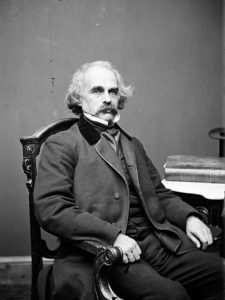
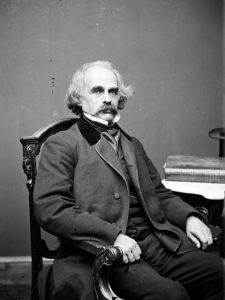
Author NameNathaniel Hawthorne
Born4 July 1804, Salem, Massachusetts, United States
Died19 May 1864, Plymouth, New Hampshire, United States
Short storiesYoung Goodman Brown, The Birth-Mark
MoviesThe Scarlet Letter, Twice-Told Tales
The Great Stone Face-2 Summary by Nathaniel Hawthorne

The Great Stone Face 2 Summary in English

Many years passed. Ernest was now a middle aged man. Age brought white hairs upon his head and wrinkles across his face. But it also made him veiy wise. He became famous in the valley. Learned men from cities came to see him and talk with him.

When Earnest had been growing old, a new poet who was previously the native of that valley arrived there. He had spoken high of the Great Stone Face also in his poem. His songs also reached Ernest’s ears. It appeared to him that his face had the likeness of the Stone Face.

The poet too had heard of Ernest’s wisdom and wished to meet him. One summer day he arrived at Ernest’s door. He sought a night’s shelter. Ernest readily agreed. The two talked together. The poet found his host very wise, gentle, kind and hospitable. Ernest looked into the poet’s eyes and features. He compared the poet’s face with that of the Stone Face. When the poet asked him why he was looking sad he told that all through his life he had awaited the fulfilment of a prophecy and when he read his poems he became convinced that the poet was the real Stone Faced man.

The poet, however, claimed that he did not bear the likeness to the stone face. It was true that he had high dreams in his mind but sometimes he himself had no belief in those dreams. The eyes of both were wet with tears. In the evening, together they went to a meeting place. Ernest spoke out his thoughts. His words had power because they had depth. They were ttye words of life, a life of good deeds and selfless love. His face took on a grand expression. The poet cried out that Ernest was the real likeness of that Stone Face. The people agreed with him. The prophecy was fulfilled, the poet thought so. But Ernest still kept hoping that some wiser and better man than himself would appear looking very much like the Great Stone Face.

The Great Stone Face 2 Summary in Hindi

कई वर्ष बीत गये। अर्नेस्ट अधेड़ आयु का हो गया। बढ़ती आयु के कारण उसके सिर के बाल सफेद हो गये और चेहरे पर झुर्रियाँ आ गई। पर साथ ही वह अधिक ज्ञानी भी हो गया। घाटी में वह विख्यात हो गया। अनेक नगरों से विद्वान उससे मिलने और बातें करने आने लगे।

जब अर्नेस्ट वृद्ध हो गया तो एक नया कवि जो पहले इसी घाटी में रहता था, घर लौट आया। उसने उस विशाल पत्थर के चेहरे को भी अपनी एक कविता में सराहा था। उसके गीत अर्नेस्ट के कानों में भी पहुँच गये। उसे लगा कि वह उस पत्थर के चेहरे से समानता रखता है। कवि ने भी अर्नेस्ट की बुद्धिमत्ता के बारे में सुन रखा था। और वह उससे मिलना चाहता था। गर्मी के मौसम में एक दिन वह अर्नेस्ट के दरवाजे पर आया। उसने एक रात के लिये पनाह माँगी। अर्नेष्ट एकदम मान गया। दोनों ने मिलकर बातें की। कवि ने अर्नेस्ट को एक ज्ञानी, सरल, उदार तथा अतिथि सत्कार करने वाला पाया। अर्नेस्ट ने कवि की आँखों में झाँका और उसका चेहरा देखा। उसने कवि के चेहरे की समानता पत्थर वाले चेहरे से की। उसने स्पष्ट किया कि वह उदास क्यों है। वह तो एक भविष्यवाणी के पूरा होने की प्रतीक्षा कर रहा है। कवितायें पढ़कर उसे विश्वास हो गया था कि कवि ही पत्थर के चेहरे वाला असली व्यक्ति है।

पर कवि ने इस बात से इन्कार कर दिया कि उसका चेहरा पत्थर वाले चेहरे के समान है। यह ठीक है कि उसके मन में महान सपने हैं पर उसे स्वयं कई बार उन सपनों पर आस्था नहीं थी। दोनों व्यक्तियों की आँखें नम हो गई। शाम को दोनों ही एक सभा में भाग लेने गये। अर्नेस्ट ने अपने विचार रखे। उसके शब्दों में एक कशिश थी क्योंकि उनमें गहराई थी। वे जीवन से जुड़े शब्द थे एक नेक कामों वाले तथा निस्वार्थ प्रेम भरे जीवन से। उसके चेहरे पर भव्य भाव उभर आया। कवि चीख उठा कि अर्नेस्ट का ही चेहरा उस पत्थर वाले चेहरे के समान है। लोग उसकी बात से सहमत हो गये। भविष्यवाणी सच हो गई थी, कवि ने यह सोचा। पर अर्नेस्ट अभी भी यही आशा करता रहा कि कभी तो उससे अधिक ज्ञानी और श्रेष्ठ व्यक्ति आयेगा जिसकी आकृति उस पहाड़ पर चेहरे के बिल्कुल सदृश होगी।

Villa for Sale Extra Questions and Answers Class 9 English Literature

Here we are providing Villa for Sale Extra Questions and Answers Class 9 English Literature Reader, Extra Questions for Class 9 English was designed by subject expert teachers.

Villa for Sale Extra Questions and Answers Class 9 English Literature

Villa for Sale Extra Questions and Answers Short Answer Type

Answer the following questions briefly.

Question 1.
How did Juliette’s neighbourhood react to the “for sale” sign? Is the response what Juliette expected?
Answer:
The neighbours looked at Juliette in a pitying way implying that she would be disappointed in the sale of the villa. No, Juliette had expected that the day after she put up the notice, the entire world would be fighting to purchase it.

Question 2.
Juliette tells her maid, “Oh! I’m fed up with the place”. Which place is she fed up of? Why?
Answer:
Juliette is fed up of the villa. She put up a “for sale” sign outside the villa a month ago but has not been able to sell it yet.

Question 3.
Why does Juliette say, “I begin to feel as though it no longer belongs to me”?
Answer:
In the past two weeks, four people almost bought it, so she has begun to feel as though the villa no longer belongs to her as it will soon be sold.

Question 4.
Do you feel sorry for Juliette? Why/Why not?
(Encourage the students to think creatively and formulate their own answers.)
Answer:
Yes – needs money; not able to sell villa
No – needs money; not willing to work despite acting work being available

Question 5.
What does Juliette mean by, “For fifteen years everybody has had money at the same time and has wanted to sell. Now nobody has any money and nobody wants to buy.”?
Answer:
For fifteen years in the past, business was good and people had money to buy houses. There was supply as well as demand. Now, business is as bad as it can be and times are hard. Nobody has any money and nobody wants to buy.

Question 6.
According to Juliette, what could increase the demand for the villa?
Answer:
According to Juliette, people may want to buy the villa as it is quite close to Joinville, the French Hollywood.

Question 7.
What sort of relationship could exist between Juliette and the maid? Justify your answer.
Answer:
The maid and Juliette shared a cordial relationship. Juliette discusses her financial problems and fears of not being able to sell the villa at a good price with the maid. The maid also suggests Juliette take up small acting assignments to supplement her income and says she has a comic face suitable for certain types of roles.

Question 8.
Comment on the location of the villa and the behaviour of the people in the neighbourhood.
Answer:
The villa is located in France. It is quite close to Joinville, the French Hollywood. Because of its location, film acting is quite looked up to in the area. The local people want to act in films and think about nothing else as films pay well.

Question 9.
What does Gaston mean when he says, “that the garden is a myth and that the salon is impossible”?
Answer:
Gaston means that both the garden and the salon are very small in size. He feels the garden is more like a yard with a patch of grass in the middle and the salon because of its size could be an annexe to the garden.

Question 10.
According to Juliette what advantages does the villa have to please a customer?
Answer:
Juliette counts the many advantages the villa possesses to please the customers. The villa has electricity, gas, water, telephone, and drainage. The bathroom is beautifully fitted and the roof was entirely repaired the previous year. She says she will sell the villa entirely furnished with all the fixtures, just as it is, with the exception of one little picture signed by the famous painter, Carot.

Question 11.
What does Juliette mean by “The choice of a frame is not so easy when you have such a delightful pastel to place in it”?
Answer:
Juliette implies that the beautiful Jeanne needs a good setting that will complement her beauty just as the beauty of a painting is enhanced by the frame.

Question 12.
When Mrs A1 Smith says, “You ought to learn how to do business,” Gaston says, “We are learning now. We are practising.” What does Gaston mean?
Answer:
Gaston has the learnt the American way of signing deals and doing business in a hurry. He has sold Juliette’s villa to Mrs A1 Smith for three hundred thousand francs making a hundred thousand francs in the short time the owner and his wife are upstairs.

Villa for Sale Extra Questions and Answers Long Answer Type

Question 1.
Discuss the character of Juliette.
Answer:
Juliette is a proud person. She is in need of money but does not wish to pick up acting assignments. She puts down the maid when she suggests Juliette is right for certain comic roles. Juliette is quite mercenary. Although she is ready to accept a hundred thousand francs for the villa, which is twice what she paid for it, she tries to sell it to Gaston for two hundred thousand francs. She is not very shrewd or business-like. She is easily taken in and sells the house to Gaston without trying to find out what made him change his mind. She is desperate to sell the villa and is willing to sign a deal saying she sold it the previous day.

Question 2.
Discuss the character of the maid.
Answer:
The maid is young and carefree. She supplements her income by taking up acting assignments in films. She is caring and suggests Juliette could also act in films to supplement her income. She is also insolent and suggests Juliette will be suitable for certain roles as she has a comic face.

Question 3.
Write a brief character sketch of Gaston.
Answer:
Gaston is a chauvinistic man who makes fun of his wife and puts her down in public. He makes fun of her family and criticizes her parents and nephews and nieces. He is sarcastic and ridicules Juliette and the villa. He is domineering and does not wish to consider his wife’s opinion or happiness. He has already spent her dowry and does not feel any embarrassment admitting it. He is shrewd and calculating and as Mrs A1 Smith comes in while Jeanne and Juliette are upstairs, he sells her the villa making a hundred thousand francs and a Carot painting in the bargain.

Question 4.
Comment on the character of Jeanne.
Answer:
Jeanne is an idealistic person. She wants to buy a villa so that her parents can come and stay with her and she thinks Gaston will fall in with her wishes. She is naive enough to believe Gaston has changed his mind when he says he wants to buy the villa.

Question 5.
Juliette says Gaston is very witty. Do you agree? Discuss the humour evoked by Gaston’s utterances.
Encourage the students to think creatively and formulate their own answers.
Answer:
Yes – dry wit; remarks about house/size of garden and salon, remarks about Jeanne’s parents and relatives; comments when Juliette tries to sell the villa.
No – wit should not be confused with sarcasm and mockery; remarks about house/size of garden and salon, remarks about Jeanne’s parents and relatives; comments when Juliette tries to sell the villa.

Question 6.
According to Mrs A1 Smith, how do the French differ from the Americans? List the differences.
Answer:
Americans are people who are in a hurry. They haven’t any time to waste. On the other hand, the French are more relaxed in their;…way of working while Americans are upset by hold ups and delays.

Question 7.
As Juliette, write a diary entry the day you find out how Gaston has tricked you.
Answer:
Saturday 14th May
5 p.m.
I just met Mrs A1 Smith in the Mall. She has recently shifted into my villa (well, not mine any longer—it’s hers. And I was shocked to learn the price at which she had bought the villa from Gaston!! That snake!! He took advantage of my naivety and robbed me.

That day Mrs A1 Smith was the lady I was waiting for when Gaston and his wife came in. He insulted me. He was really rude. I had almost made up my mind not to sell him the villa but I felt very sorry for his wife. She seemed such a pretty little thing and so simple to be married to a rude man like him. Then he offered me double of the price I was expecting and I couldn’t refuse. Little did I know what he had duped me of!!

I will meet my lawyer in the morning and see if I can sue him qnd get my money back! I will teach him a good lesson—a lesson he will not forget in a hurry.

Villa for Sale Extra Questions and Answers Reference to Context

Read the following extracts and answer the questions that follow.

Question 1.
“But the sign has been hanging on the gate for over a month now and
I am beginning to be afraid that the day
I bought it was when I was the real fool. ”

(a) What is Juliette trying to do?
Answer:
Juliette is trying to sell her villa.

(b) Why is Juliette disappointed?
Answer:
Juliette is disappointed as she is unable to find a suitable buyer for her villa.

(c) Why does she call herself a fool?
Answer:
Juliette calls herself a fool as she had bought the villa for more than it was worth.

Question 2.
“But your parents would take possession of it, every year from the beginning of spring until the end of September. What’s more they would bring the whole tribe of your sister’s children with them. ”

(a) Who is the speaker? Whom is he speaking to?
Answer:
Gaston is the speaker. He is speaking to his wife Jeanne.

(b) What has the listener asked the speaker to do?
Answer:
The listener has asked the speaker to buy a villa for her.

(c) What does he mean by “take possession”?
Answer:
He means that Jeanne’s parents would stay with them for a long time.

Question 3.
“While you were upstairs, I have been thinking a lot about your Papa and Mamma. ”

(a) What is the discrepancy between what Gaston said earlier and what he says now?
Answer:
Earlier he did not want Jeanne’s parents to stay with them but now he is showing concern for them

(b) What does the above statement reveal about Gaston’s character?
Answer:
The above statement reveals that he is an opportunist.

(c) With what character does Gaston describe himself in this statement?
Answer:
He describes himself as unselfish.

Question 4.
“Mind you, if someone had bought it on the very day I placed it for sale, then I might have felt sorry because I would have wondered if hadn’t been a fool to sell at all. ”

(a) How long ago had the speaker put up her villa for sale?
Answer:
The speaker had put up her villa for sale more than a month ago.

(b) Why would she have considered herself a fool if she had managed to sell it on the day she put up the notice?
Answer:
She would have considered herself a fool as she would have realised the villa’s true worth too late.

(c) In what way is her remark ironic?
Answer:
Her remark is ironic as she is fooled by Gaston and loses a lot of money although the villa is sold after more than a month.

Question 5.
“All the same, Madame, when they brought you the ‘For sale ’ sign, you wouldn’t let them put it up. You waited until it was night. Then you went and hung it yourself, Madame. ”

(a) Why did Juliette put up the sign at night?
Answer:
Juliette put up the sign at night so that the villa would be hers for one more night.

(b) What did Juliette feel when she put up the sale sign?
Answer:
Juliette felt reluctant when she put up the sale sign.

(c) How much does she sell the house for?
Answer:
She sold the house for two hundred thousand francs.

Question 6.
“… now I have only one thought, that is to get the wretched place off my hands. I would sacrifice it at any price. ”

(a) Why does she call the place wretched?
Answer:
She calls the place wretched as no one wants to pay the price she is asking for.

(b) How much had the villa cost her?
Answer:
The villa had cost her fifty thousand francs.

(c) Why does Juliette wish to sell the villa?
Answer:
Juliette wishes to sell the villa as she needs the money.

Question 7.
“Because really madame, you look too comical. ”
(a) Who says this and to whom? What is the listener’s reaction?
Answer:
The maid says this to Juliette. Juliette is offended by the suggestion.

(b) What do you think the speaker means when she says, ‘comical’?
Answer:
The speaker means that Juliette is funny and amusing.

(c) Why does the speaker say this?
Answer:
She says this because of the way Juliette slicks back her hair

Question 8.
“I am going upstairs for a moment. If that is the lady, tell her I will not be long. ”

(a) Who says this and to whom?
Answer:
Juliette says this to the maid.

(b) Why does she go upstairs?
Answer:
She goes upstairs as she doesn’t want to give the customer the impression that she is waiting for her.

(c) Explain, “I will not be long”.
Answer:
It is in short for saying that she will there in a short time.

Question 9.
“Oh, if I could become a Greta Garbo! ”

(a) Who is Greta Garbo?
Answer:
Greta Garbo is a Hollywood actress from Sweden.

(b) Why does the maid mention her name?
Answer:
The maid mentions her name as she wants to become as famous as her.

(c) What is her tone when she says this?
Answer:
Her tone is of rapt admiration when she says this.

The Great Stone Face 1 Summary in English by Nathaniel Hawthorne

We have decided to create the most comprehensive English Summary that will help students with learning and understanding.

The Great Stone Face 1 Summary in English by Nathaniel Hawthorne

Author NameNathaniel Hawthorne
Born4 July 1804, Salem, Massachusetts, United States
Died19 May 1864, Plymouth, New Hampshire, United States
Short storiesYoung Goodman Brown, The Birth-Mark
MoviesThe Scarlet Letter, Twice-Told Tales
The Great Stone Face-1 Summary by Nathaniel Hawthorne

The Great Stone Face 1 Summary in English

The Great Stone Face was the work of nature. It was formed on the side of a mountain by some rocks. Seen from a distance they looked like a human face and alive. Going near, the face turned into a heap of rocks. The people believed that the valley owed much of its fertility to that face.

One day a mother and her little child, Ernest sat at the door of their cottage. He wished that the Great Stone Face could speak. The mother hoped to see a man some time with a similar face. She told a curious stray, she herself had heard in her childhood. A great man bearing that stone face would be bom some day. That was a prophecy.

Ernest could never forget that story. He was very helpful to his mother. He grew up to be a gentle, quiet young man. The Stone Face became his teacher. The child used to watch it for hours.

Once a rumour spread that the great man, who was to bear a resemblance to the Great stone face, had appeared at last. Many years ago, a young man had left the valley and settled at a distant sea port. He became very rich. Then he decided to return to his native place. He was Mr. Gathergold. People welcomed him as the great man because he resembled the great stone face. But Ernest didn’t agree with these people.

Years went on. Ernest grew to be a young man. He drew little attention. He had nothing remarkable. But he was hardworking and kind. He still loved to gaze upon the great stone face. He wondered why the stone faced man was taking so long in coming to that valley.

Mr. Gathergold died as a poor man and was buried. People then agreed that there was no likeness between the mined merchant and the majestic face upon the mountain.

It so happened that another son of the valley returned to his native valley. He had become a famous commander. The people turned to him blindly and accepted him as the Great Stone Face. But Ernest could not see any similarity between them.

The Great Stone Face 1 Summary in Hindi

विशाल पत्थर पर बना चेहरा प्रकृति की कारीगरी थी। यह पर्वत के बगल में कुछ चट्टानों से बना था। दूरी से देखने पर ये पत्थर किसी जीवित मानव चेहरे की भाँति दिखते थे। पास जाने पर वह चेहरा पत्थरों के ढेर में बदल जाता था। लोगों की मान्यता थी कि घाटी की उर्वरता उसी चेहरे की देन है।

एक दिन एक माँ अपने छोटे लड़के अर्नेस्ट के साथ झोंपड़ी के दरवाजे पर बैठी थी। बच्चे ने इच्छा व्यक्त की कि काश वह विशाल चेहरा बोल सकता। माँ को आशा थी कि इस प्रकार के चेहरे वाला असली व्यक्ति कभी न कभी स्वतः आयेगा। उसने एक विचित्र कहानी सुनाई जो उसने भी बचपन में सुनी थी।

उस पत्थर के चेहरे वाला महान व्यक्ति कभी पैदा होगा। यही लोगों की भविष्यवाणी थी।

अर्नेस्ट इस कहानी को कभी भूल न सका। वह माँ की बहुत मदद करता था। वह एक सीधा, सरल और शांत स्वभाव का युवक बन गया। पत्थर वाला चेहरा उसका शिक्षक बन गया। बच्चा उसे हर दिन घंटों देखा करता था।

एक बार अफवाह उड़ी कि वैसे चेहरे वाला व्यक्ति गाँव में आ गया है। अनेक वर्ष पूर्व एक युवक घाटी छोड़कर चला गया था और वह दूर एक बन्दरगाह पर जाकर बस गया था। वह बहुत धनवान हो गया। फिर उसे अपने जन्म स्थान पर लौटने की इच्छा हुई। उस धनी गेदरगोल्ड का लोगों ने एक महान व्यक्ति के रुप में स्वागत किया क्योंकि उसका चेहरा उस पत्थर के चेहरे से मिलता जुलता था। पर अर्नेस्ट आम लोगों की राय से सहमत नहीं हुआ। काफी वर्ष बीत गए। अर्नेस्ट नवयुवक हो गया। उसकी तरफ किसी का ध्यान आकर्षित नहीं होता था। उसमें कोई उल्लेखनीय विशेषता नहीं थी। परन्तु वह परिश्रमी और दयालु था। वह अभी भी उस पत्थर के चेहरे को घंटों निहारता रहता था। उसे अभी भी हैरानी होती थी कि पथरीले चेहरे वाला व्यक्ति आने में इतना विलम्ब क्यों कर रहा है।

गेदरगोल्ड एक गरीब की स्थिति में मरा तथा दफना दिया गया। फिर लोगों ने स्वीकारा कि वह व्यापारी पर्वत पर बने शानदार चेहरे वाला न था।

संयोग ऐसा हुआ कि घाटी का ही एक अन्य व्यक्ति स्वदेश लौटा। वह एक प्रसिद्ध सैन्य कमाण्डर था। लोग उसकी ओर अंधविश्वास के साथ आकर्षित थे और उसे पत्थर जैसे महान चेहरे वाला मानते थे। पर अर्नेस्ट को दोनो में कोई समानता नहीं दिखी।