Patol Babu, Film Star Extra Questions and Answers Class 10 English Literature

Here we are providing Patol Babu, Film Star Extra Questions and Answers Class 10 English Literature Reader, Extra Questions for Class 10 English was designed by subject expert teachers.

Patol Babu, Film Star Extra Questions and Answers Class 10 English Literature

Patol Babu, Film Star Extra Questions and Answers Short Answer Type

Question 1.
Who was Naresh Dutt?
Answer:
Naresh Dutt worked in the film business, he was the youngest brother-in-law of Nishikanto Ghosh, who was Patol Babu’s neighbour.

Question 2.
While buying vegetables at the market, Patol Babu mixed up the order. What does this tell you about his state of mind? Why did this happen?
Answer:
It shows that Patol Babu was very excited at the prospect of getting an opportunity to work in a film. In fact at one time, he used to perform on the stage in his neighbourhood and had been quite good at it.

Question 3.
Do you think Patol Babu was happy with his career? Give reasons for your answer.
Answer:
No, because Patol Babu had changed his jobs and career choices a number of times and really struggled to make a living without managing to improve his lot.

Question 4.
Did Patol Babu miss his acting days? Give reasons for your answers.
Answer:
Yes, he did. Patol Babu could still remember lines from some of the roles he had played in the past.

Question 5.
Why had Patol Babu given up hope at half past twelve?
Answer:
Patol Babu had given up hope because he had been told that Naresh Dutt, the man who was to offer him a role in the movie would be coming at 10:30 a.m.

Question 6.
What instructions does Naresh Dutt give Patol Babu on their first meeting?
Answer:
Naresh Dutt told him to report for shooting the next morning at 8:30 a.m. He also told him that the shooting would take place out of doors, outside the front entrance of a seven-storey office building called Faraday House.

Question 7.
What was the role that was offered to Patol Babu?
Answer:
Patol Babu was to enact the role of an absent-minded, short-tempered pedestrian.

Question 8.
Why was Patol Babu asked to wear a woollen jacket?
Answer:
Patol Babu was asked to do so because the story was supposed to take place in winter.

Question 9.
How did Patol Babu’s wife react to the news?
Answer:
Patol Babu’s wife was sceptical and asked him not to count his chickens before they hatched.

Question 10.
Why did Patol Babu feel humiliated when he reported for the shoot?
Answer:
When Patol Babu saw the single word written on the paper as a dialogue, he felt that the people were pulling his leg and everything was a hoax.

Question 11.
How was Patol Babu’s role crucial to the film, according to the young man Jyoti?
Answer:
According to Jyoti, Patol Babu’s role was crucial because the interaction with Patol Babu would show the preoccupation of the hero with his problem.

Question 12.
Was Patol Babu impressed with his dialogue? Give reasons for your answer.
Answer:
No, Patol Babu was not impressed with his dialogue because he felt the people were pulling his leg when he looked at his dialogue.

Question 13.
While waiting for his shot, Patol Babu remains deep in thought? What was the thought?
Answer:
Patol Babu started thinking of the manner in which he usually spent his Sunday at Karali Babu’s house listening to songs sung in praise of Goddess Kali. He started wondering whether he could quietly slip away.

Question 14.
What worried Patol Babu about his moustache?
Answer:
Patol Babu was worried that it might come off at the time he was to collide with the hero.

Question 15.
Why does’Sosanko call Patol Babu lucky?
Answer:
Patol Babu was disappointed on receiving a one-word dialogue when Sosanko explains that he was lucky to have something to say because there had been more than a hundred people who had appeared in the film and yet had nothing to say. Even the hero had no words to say on that day.

Question 16.
What feelings did Patol Babu plan to convey through his dialogue?
Answer:
Patol Babu had planned to express 60 percent irritation and 40 percent surprise through his one- word dialogue.

Question 17.
What were Patol Babu’s feelings about the people associated with film-making after the shot is over?
Answer:
Patol Babu wondered whether those people had the depth to realise the perfection with which he had just performed.

18.
Why didn’t Patol Babu stop to take his money even though he needed it badly?
Answer:
Patol Babu was so deeply satisfied with his performance that he did not feel the need to take money for it.

Patol Babu, Film Star Extra Questions and Answers Long Answer Type

Question 1.
Describe the character of Patol Babu.
Answer:
Patol Babu was a very punctual man. He was unassuming and modest and was very thrilled at learning of the opportunity in acting. He had been a talented actor in the past and people had bought tickets to see him act. He is also practical and decides to make the most of a tiny film role and practises hard. He is diligent and hard working. He is a creative person and does not wait to be paid because of the creative satisfaction that he derived from enacting the small scene.

Question 2.
Write a letter from Patol Babu to Nishikanto Ghosh describing his satisfaction with the role.
Answer:
15 May xxxx
Dear Nishikanto,
I would like to express my gratitude for recommending me to Naresh Dutt for the role. It was an opportunity of a lifetime for me as it revived memories of my youth. Now life is full of struggle and so there is no time to indulge in my passion for acting. Though the role had been small and the dialogue consisted of only one word, it was a very satisfying moment for me. After several years I felt deep contentment and joy. I hope more such opportunities come my way.
Regards
Patol

Question 3.
Write Baren Mullick’s diary for the day of the shooting.
Answer:
15 May xxxx
It was a good day as the shooting took place as per schedule. The scene required the hero to enter his office in a preoccupied state due to an incident of embezzlement in office. He bumps against a pedestrian. Incidentally the man who played the role was a surprise as he gave just the right expression. His moustache added to the overall effect. He seemed ordinary and I had doubts when I first saw him. But what a surprise package he turned out to be! His suggestion of using a newspaper added to the role. May be we could give him a bigger role in the next film.

Question 4.
Write a letter from Naresh Dutt to Patol Babu sending him the money he had earned.
Answer:
15 May xxxx
Dear Patol Babu,
Thank you for your performance today. It was excellent. The director and other members of production team were very happy with the shot. You gave just the right expression and looked the part with the jacket and moustache. The idea of using a newspaper was brilliant. But, why did you leave without taking the money? I am sending you a cheque with the letter.
Regards
Naresh Dutt

Question 5.
A film critic reviews the movie once it finally releases. Write a review, noticing the impact of Patol Babu’s scene.
Answer:
The new film by Baren Mullick is an unusual story about the struggle of an ordinary man. There is embezzlement at work, but he faces the difficulties with fortitude. The film is a testimony of great direction. The director has an eye for detail. The characters are appropriately represented and the actors.are well chosen. In fact mention must be made of the character of a pedestrian. He is an old man wearing a jacket who collides with the hero. Although, the scene lasted for a few seconds, that man managed to leave a lasting impression.

Question 6.
As Gogon Pakrashi, write a letter to Patol Babu congratulating him on his performance.
Answer:
21 May xxxx Dear Patol,
I heard of your movie debut. Well done! I always knew you would join films someday. It would be a happy moment to see your name on billboards. You had a significant impact in spite of the tiny role. Your expression after the collision was marvellous. Did you get any new offers? Please do take acting seriously.
Such talent should not be wasted. Let us meet soon.
Regards
Gogon Pakrashi

Question 7.
What is the theme of the story?
Answer:
The story is about Patol Babu’s passion for acting. For him the satisfaction derived from a good performance is enough. He had acted for his passion not for money. At one time Patol Babu had acted in the Jatras and been a favourite with the public. He hankered after a career in % films. One day, however, an opportunity to act in a film does come Patol Babu’s way.

The role that he is offered is of an ‘angry pedestrian’ who runs into the hurrying lead actor on a busy road and exclaims “Oh!” Initially, he is rather disappointed, but then he remembers the advice of his mentor that no role, no dialogue is too small for a real actor and one must perform the role whole-heartedly and to the best of ability. He rehearses the single word with different inflections to show pain, sorrow, joy, surprise, agony etc. Having performed his role he feels pride in his performance and comes home, a contented man, even without bothering to wait for his payment.

Patol Babu, Film Star Extra Questions and Answers Reference to Context

Question 1.
“I hope the part calls for some dialogue. ”

(a) Who says this?
Answer:
Patol Babu speaks these lines.

(b) To whom is he speaking?
Answer:
Patol Babu is speaking to Naresh Dutt.

(c) Why does she ask this question?
Answer:
Patol Babu had been offered a role in a movie so he wanted to know whether he had any dialogue. He had been an amateur actor in the past. His interest in acting had been rekindled.

Question 2.
“hope you won’t turn him away. They ’ll pay you, of course. ”

(a) Who is speaking? To whom is he speaking?
Answer:
Nishikanto Babu is speaking to Patol Babu.

(b) Who is he referring to?
Answer:
Nishikanto Babu is referring to his youngest brother-in-law Naresh Dutt.

(c) What would they pay the listener for?
Answer:
They would pay him for enacting a small role in their movie.

Question 3.
“He’s about thirty. A strapping young fellow. He said he would be here by ten thirty. ”

(a) Who does ‘he’ in these lines refer to? Who is the speaker?
Answer:
‘He’ refers to Naresh Dutt. Nishikanto Babu, Patol Babu’s neighbour, is the speaker.

(b) What time does he actually arrive by? Why does he come there?
Answer:
He came at half past twelve. He wanted to offer Patol Babu a role in a movie he was working in.

(c) Is his visit successful? Explain.
Answer:
Yes, because Patol Babu agrees to play the minor role of a pedestrian in the film he was associated with.

Question 4.
“Indeed there was a time when people bought tickets especially to see him. ”

(a) Who is being talked about in these lines?
Answer:
The person being talked about is Patol Babu.

(b) Why did people buy tickets to see him?
Answer:
Patol Babu had been a popular actor on stage, performing in amateur theatre, in his youth.

(c) Where was he living at that time?
Answer:
Patol Babu was living at Kanchrapara.

Question 5.
“Ever since then Patol Babu had struggled to make a living. ”

(a) What was Patol Babu’s first job?
Answer:
Patol Babu worked in a railway factory in Kanchrapara.

(b) Why did Patol Babu come to Calcutta?
Answer:
Patol Babu came to Calcutta as he was offered a higher pay in a clerical post with Hudson & Kimberley in Calcutta.

(c) Why did he have to struggle to make a living?
Answer:
Patol Babu lost his job at Kimberley & Hudson during the war years and since then had changed several jobs but could not succeed in making a living.

Question 6.
“There’s no doubt about that. By the way, the shooting takes place tomorrow morning. ”

(a) Who is the speaker? Who is he talking to?
Answer:
Naresh Dutt is speaking to Patol Babu.

(b) What is he so sure about?
Answer:
Naresh Dutt is sure about the fact that Patol Babu was just right for the role in the movie.

(c) Where was the shooting going to take place?
Answer:
The shooting was going to take place outside a seven-storey office building called Faraday House, near the crossing of Bentinck Street and Mission Row.

Question 7.
“But you haven’t told me about the part.”

(a) Who is the speaker? Who is he speaking to?
Answer:
The speaker is Patol Babu. He is speaking to Naresh Dutt.

(b) What does the ‘part’ mentioned in this line refer to?
Answer:
It refers to the movie role that had been offered to Patol Babu by Naresh Dutt.

(c) Describe the ‘part’ mentioned in this line.
Answer:
It was the role of a short-tempered, absent-minded old pedestrian who collides with the hero of the movie in a street.

Question 8.
“Fine. I wouldn ’t have come to you for just a walk on part. For that we pick people from the street. Of course there’s dialogue and you ’ll be given your lines as soon as you show up tomorrow. ”

(a) Who is the speaker? Who is being spoken to?
Answer:
The speaker is Naresh Dutt. He is speaking to Patol Babu.

(b) What was the part offered to the listener?
Answer:
Patol Babu had to enact the role of an absent-minded, short-tempered pedestrian who collides with the hero.

(c) What was the dialogue that he had to say?
Answer:
Patol Babu’s dialogue consisted of a single word, “Oh!”

Question 9.
“Counting your chickens again before they’re hatched, are you?”

(a) Who is the speaker?
Answer:
The speaker is Patol Babu’s wife.

(b) What does she mean by ‘counting your chickens before they are hatched’?
Answer:
Patol Babu had already started anticipating a career in the movies after he enacted the small role that had been offered to him. His wife made this remark cautioning him that he was talking of success before he had achieved it.

(c) What is the speaker’s opinion of the person being spoken to?
Answer:
His wife did not have a high opinion of his abilities and did not consider him a successful person.

Question 10.
“Patol Babu suddenly felt a little nervous. Should he ask somebody? There was Naresh Dutt there, should he go and remind him?”

(a) Where was Patol Babu standing at this time?
Answer:
Patol Babu was standing near the shooting site waiting for the shooting to start.

(b) Who was Naresh Dutt?
Answer:
Naresh Dutt was the youngest brother-in-law of his neighbour who had got him a role in a movie.

(c) What did he want to remind him of?
Answer:
Patol Babu wanted to remind him of the fact that he had not been given his dialogues.

Question 11.
Patol Babu now turned to his neighbour and asked in a whisper “Who is the director? ”

(a) Where was Patol Babu standing at this moment?
Answer:
Patol Babu was standing outside Faraday House waiting for his turn to enact this role.

(b) Who was the director of the movie?
Answer:
He was the famous director, Baren Mullick.

(c) Who was the hero of the movie?
Answer:
The hero was the famous actor, Chanchal Kumar.

Question 12.
“The youngster Jyoti produced a red-dot pen from his pocket and gave it to Sosanko. Sosanko tore off a page from the notebook he was carrying, scribbled something and handed it to Patol Babu. ”

(a) Who were Jyoti and Sosanko?
Answer:
They were young boys, members of the production team who were shooting a movie.

(b) What did Sosanko scribble on the paper?
Answer:
Sosanko wrote the word ‘Oh! ’

(c) Why did he give the paper to Patol Babu?
Answer:
Sosanko gave it to Patol Babu as it was the dialogue he had to say while enacting the role he had to play.

Question 13.
‘Why waste a Sunday morning in the company of these useless people, and be made to look foolish on top of that? ’

(a) Who is the speaker?
Answer:
Patol Babu is the speaker.

(b) Who are the people referred to as “useless”?
Answer:
The people making the movie are referred to as “useless”.

(c) Why is the person upset?
Answer:
Patol Babu is upset with his dialogue which consisted of just one word.

Question 14.
“Remember one thing Patol, however small a part you ‘re offered, never consider it beneath your dignity to accept it.”

(a) Who is the speaker?
Answer:
The speaker is Gogon Parkashi, Patol Babu’s mentor.

(b) Why is Patol reminded of him?
Answer:
Patol was upset with his one word dialogue, but then he remembered what his mentor had told him.

(c) How does the advice help him?
Answer:
It motivates Patol Babu to enact the one word dialogue with such emotion that even the famous director was impressed.

Question 15.
“Strange! Patol Babu suddenly felt that he could write a whole thesis on that one monosyllabic exclamation! ’

(a) What was the monosyllabic exclamation?
Answer:
It was the word, “Oh!”

(b) What makes Patol Babu feel that he could write a thesis on it?
Answer:
Patol Babu suddenly realised that the same exclamation when spoken in different ways carved different shades of meaning.

(c) How does his discovery impact his acting?
Answer:
Patol Babu puts in so much feeling in the way he utters the word that the director is impressed with him.

Question 16.
“That’s all right. I’ll certainly wait. I’ll be in that side street across the road. ”

(a) Who is the speaker? Who is being spoken to?
Answer:
Patol Babu is speaking to one of the young assistants helping in the shooting.

(b) How is this statement different from his earlier one?
Answer:
Here Patol Babu has made up his mind to put in all he has in his performance while earlier he had been tempted to slip away quietly.

(c) How did he spend his time in the side street?
Answer:
Patol Babu rehearsed his line in front of a glass window.

Question 17.
“There’s a large patch of cloud approaching the sun ”, he said. “This scene must be shot in sunlight. ”

(a) Who is the speaker?
Answer:
The speaker is Bhren Mullick, the director.

(b) Why does he make this statement?
Answer:
He makes it in reply to Patol Babu’s request for a rehearsal before the final take.

(c) Does this refusal affect Patol Babu’s performance? Give reasons for your answer.
Answer:
No, because he gives such a perfect performance that everyone is impressed including the director.

Question 18.
“I hope Grandpa wasn’t hurt too badly. ”

(a) Who says this? Who is he referring to?
Answer:
Jyoti says this line. Jyoti is referring to Patol Babu.

(b) Why does he make this remark?
Answer:
Jyoti made this remark because Patol Babu had just given a shot in which he had to collide with the lead actor and the shot had been very realistic.

(c) What was Patol Babu doing there?
Answer:
Patol Babu was performing the role of a pedestrian who collides with the hero of the movie.

Question 19.
“That’s odd … the man hadn’t been paid yet. What a strange fellow!”

(a) Who is the speaker? Who is he speaking about?
Answer:
Naresh Dutt is speaking about Patol Babu.

(b) What was odd?
Answer:
The fact that Patol Babu had disappeared without waiting to be paid was odd.

(c) Why had he not waited?
Answer:
Patol Babu felt so satisfied with his performance that he did not feel the need to be paid.
A Shady Plot Extra Questions and Answers Class 10 English Literature

Here we are providing A Shady Plot Extra Questions and Answers Class 10 English Literature Reader, Extra Questions for Class 10 English was designed by subject expert teachers.

A Shady Plot Extra Questions and Answers Class 10 English Literature

A Shady Plot Extra Questions and Answers Short Answer Type

Question 1.
Bring out the irony in the statement: “I didn’t specialise in ghost stories, but more or less they seemed to specialise in me.”
Answer:
The narrator did not write ghost stories out of choice. He wanted to write other genres. But it was his ghost stories that were popular and so he got into writing those. Ironically, it was the ghost, Helen, who helped him write these stories.

Question 2.
What does the narrator mean by “And I had never found it healthy to contradict Jenkins”?
Answer:
The narrator said that he had realised that when Jenkins gave him work to do, it was better to agree to what he said. He could not risk Jenkins getting angry and withdrawing the offer or not giving him any work in the future.

Question 3.
Though the narrator did not particularly like writing ghost stories, why did he do so?
Answer:
The narrator’s ghost stories were popular with the readers and Jenkins preferred him to write ghost stories. Moreover, no other magazine was ready to publish his writing. He needed this extra income from writing to pay the rent or the grocer’s bill.

Question 4.
What was the narrator’s attitude towards his writing ability? Was it justified?
Answer:
The narrator had become overconfident and cocky about his writing ability. He did not realise that the plots were being put in his mind by the ghost.

Question 5.
Briefly describe the ghost.
Answer:
The ghost was long and angular, with enormous fishy eyes behind big bone-rimmed spectacles, with her hair in a tight wad at the back of her head and a solid jaw. She wore a stiff white shirtwaist and a plaid skirt.

Question6.
Why did the ghost materialise?
Answer:
The narrator had not been able to think of a plot for his story and had been calling on heaven and earth all afternoon to help him write a story. The ghost had materialised as a result of his call for help to tell him that no help would be forthcoming as the ghosts were going on strike.

Question 7.
Why were the ghosts created by Helen in the narrator’s mind different from her? Do you think her estimation was correct?
Answer:
Helen felt that if she created ghosts like herself, the readers may not like them. She was correct because the narrator’s ghost stories are very popular.

Question 8.
What condition did she place on the narrator for providing him help?
Answer:
Helen wanted the narrator to get the fanatics using Ouija boards to stop asking questions. The ghosts have had to give up haunting almost entirely as they were really busy answering questions the Ouija board users were asking.

Question 9.
What impression do you form of Lavinia before you meet her?
Answer:
We learn that Lavinia, John’s wife likes to go shopping. She also had the tendency to take on every new fad that came along and perform it so often that people became tired of it. We further learn that she was very sensitive.

Question 10.
What was the narrator’s reaction when he was nervous or excited? When does Lavinia encounter this reaction?
Answer:
When the narrator was nervous or excited, a muscle in his face twitched pulling up one comer of his mouth into an idiotic grin. He had managed to conceal this affliction from Lavinia. But when Helen sent a message to him on all the Ouija boards, he felt his face twitch in the spasm of that idiotic grin.

Question 11.
What new fad had Lavinia adopted? What was the irony in this?
Answer:
Lavinia had picked up an Ouija board from a bumper sale as they were the latest craze. The Ouija board was her latest whim. This was ironic because the ghost had just told John to get his friends and acquaintances to stop using the Ouija board.

Question 12.
In what way did Lavinia think that the Ouija board would be helpful to John?
Answer:
Lavinia thought the Ouija board would help him write his stories. If he wanted to write a historical novel, he would not have to research old books in the public library. All he would have to do would be to get out his Ouija board and talk to Napoleon or William the Conqueror or Helen of Troy. He would have all the local colour he needed, without a speck of trouble.

Question 13.
Though at first Lavinia mentions Helen of Troy as one of the possible subjects of his novels, she quickly dismisses her. What does this show about her?
Answer:
Lavinia says the Ouija board would help John research heroes of history like Napoleon or William the Conqueror or Helen of Troy. She quickly dismisses Helen of Troy as a subject for a novel. This shows she is possessive of John and jealous if he pays attention to another woman, even if the woman is a ghost.

Question 14.
Why did Lavinia refuse to return the Ouija board?
Answer:
Lavinia said the Ouija board was bought at a bumper sale and so was non-returnable. She also said she believed in the hereafter and the messages conveyed through the board.

Question 15.
Why was the narrator late as he came home that Saturday? Why did Gladolia warn John?
Answer:
Friday had been a half day, and of course when John went to office on Saturday the work had piled up. Gladolia told him that as he was late, Lavinia was likely to be angry as she had invited people over for a party. She had called John’s office and conveyed a message for him to return early. Gladolia advised John not
to argue with his wife.

Question 16.
What party had Lavinia organised? What feelings did this evoke in John?
Answer:
Lavinia had called her friends for an Ouija board party. John was anxious and looked around with trepidation as he expected the ghost of Helen to materialise. He was worried how his wife would react.

Question 17.
Whom did John have to partner? Why?
Answer:
Lavinia told John to partner Laura Hinkle as her partner Mrs William Augustus Wainright had called up at the last moment to say that she could not possibly come. As a result Laura Hinkle had no partner.

Question 18.
Why did John wish Laura Hinkle was cheating on the Ouija board? Did his fears come out true?
Answer:
When the narrator noticed some force tugging the board about, he hoped it was Laura Hinkle. He did not want •the ghost, Helen, to send a message. His fears came true as Helen was the one who was sending the message.

Question 19.
Why does the ghost return the day after the incident of the Ouija board?
Answer:
Helen was sent by the other ghosts to find out when the narrator’s wife was going to get rid of that Ouija board.

Question 20.
What do you think would be the plot for the narrator’s next story?
Answer:
The plot of John’s next story would be about his encounter with the ghost of Helen.

A Shady Plot Extra Questions and Answers Long Answer Type

Question 1.
Write a brief character sketch of John Hallock.
Answer:
John Hallock was cocky and overconfident about his ability to write ghost stories and he did not believe in Helen and was sceptical about ghosts. He was creative as he was able to write stories and also protective of his wife. He was gentle and kind with Gladolia.

Question 2.
Write a brief character sketch of Lavinia Hallock.
Answer:
Lavinia Hallock was whimsical and loved novelty and thrills. She picked up fads with enthusiasm. She was also suspicious and jealous and got upset with John and Laura. Lavinia was manipulative and did not let John have his way. She was strong as a person and took the appearance of the ghost in her stride.

Question 3.
Imagine that you are Gladolia. Write a letter to your friend describing the events at the Hallock household.
Answer:
The mistress got an Ouija board and called her friends over for ^ session. The ghosts began sending messages through the Ouija board. I wanted to leave as the Ouija board contraptions and hoodoos scare me. Thankfully the mistress burnt the board and I think I will stay here for now.

Question 4.
Imagine you are one of the members of the Book Club. Write a brief account of the incident of the Ouija boards.
Answer:
I was invited to Lavinia Hallock’s place for a session with the Ouija board. The session started and the message ‘traitor’ appeared on it. I wanted to ask John Hallock the reason behind this message as I found that he behaved in a suspicious manner. I am sure there was a mystery behind this message.

Question 5.
Imagine that you are the ghost of Helen of Troy. Report to the others how you have got Lavinia Hallock to get rid of the Ouija board.
Answer:
I think that the Ouija board is a new fad, which is catching on really fast. Ghosts waste lot of time answering questions from these people. I had warned John Hallock to stop his friends and acquaintances from using the Outa board as it is an utter waste of our time. But he took part in this session with his wife. The message which appeared on the Ouija board called him a traitor. His wife was angry and I met her and she was convinced that the board should be burnt.

Question 6.
You are a regular reader of the magazine John Hallock writes for. Review his story A Shady Plot.
Answer:
The name of the story is A Shady Plot. It is about a writer of ghost stories who is helped by a ghost to write his plots. His wife gets an Ouija board and he is warned by the ghost to get rid of it. A ghost sends messages during an Ouija board session and she gets rid of the Ouija board. Among the characters, John is shown to be a man who loves his wife Lavinia and is tolerant of her foibles. Lavinia is shown to be a whimsical, jealous and suspicious person. The character of the ghost is interesting and she materialises at times. The story is an interesting read as it has humorous touches.

Question 7.
You are John Hallock. Write a diary entry after the day’s events are over and your wife has burnt the Ouija board.
Answer:
The day started badly. Lavinia slept in the guest room as she was angry and even threatened me with divorce. Next was the appearance of the ghost and she was angry too.
Gladolia warned me against using hoodoos and magic. Lavinia encountered Helen and finally decided to get rid of the Ouija board and now things are back to normal.

Question 8.
You are Lavinia Hallock. Write a diary entry on the day’s events when your friends come for the Ouija board party.
Answer:
I bought an Ouija board as it is the latest craze and my friends came over for a party. I was bothered by John and his behaviour. Lately his behaviour has been suspicious and I found him talking to himself. He has been, returning late from office. In the Ouija board session I had told him to partner Laura Hinkle and he tried to flirt with her. I think I will divorce him and then he can do what he wants.

Question 9.
What lesson does John Hancock learn from his encounter with the ghost?
Answer:
John Hancock, a reluctant writer of ghost stories, starts getting cocky about his ability to write ghost stories at will. One day, he is’visited by a ghost, who is part of a writers’ inspiration bureau, members of which inspire authors like Hancock to write. The ghost demands a favour from him. She tells the writer that they are on a strike because of constant use of ouija boards and requests the writer to stop people from using the board.

Later, Hancock’s wife brings an ouija board, and hosts an ouija board party. The writer is forced to use the board by his wife. The angry ghost then plays havoc with his married life, leading to a big dispute with his wife. Hancock realises his ideas come as inspiration from the ghosts and writes about the incident. The value that one can derive from this story is that one should not be overconfident about one’s own ability

A Shady Plot Extra Questions and Answers Reference to the Context

Read the following passages taken from A Shady Plot and answer the given questions:

Question 1.
“Hallock, ” he had said to me, “give us another on the supernatural this time. Something to give ’em the horrors; that’s what the public wants, and your ghosts are live propositions. ”

(a) Who is ‘he’?
Answer:
‘He’ is Jenkins, the editor of a magazine.

(b) What does he want Hallock to do?
Answer:
Jenkins wants Hallock to write a ghost story for the magazine.

(c) Why does he want Hallock to do it?
Answer:
Jenkins wants Hallock to write the story because his ghost stories are popular with the readers.

Question 2.
“Jenkins always seemed to have an uncanny knowledge as to when the landlord or the grocer were pestering me, and he dunned me for a ghost. ”

(a) Who is ‘he’?
Answer:
‘He’ is Jenkins, the editor of the magazine for which Hallock writes.

(b) Why is Jenkin’s knowledge uncanny?
Answer:
Jenkin always knew, as if through some mysterious powers, when the narrator needed money.

(c) Explain ‘he dunne,d me for a ghost.’
Answer:
The editor persistently asked the narrator to write a ghost story for the magazine.

Question 3.
“She was long and angular, with enormous fishy eyes behind big bone-rimmed spectacles, and her hair in a tightwad at the back of her head…”

(a) Who was she? What was her name?
Answer:
She was a ghost. When alive, her name had been Helen of Troy, New York.

(b) Why had she appeared to the narrator?
Answer:
Helen of Troy wanted the narrator to get his friends and acquaintances to stop using the Ouija board.

(c) How had she helped the narrator in the past?
Answer:
Helen of Troy had helped the narrator by putting ideas for ghost stories in his head.

Question 4.
“But my ghosts are n’t a bit like you… ”

(a) Who says this and to whom?
Answer:
John Hallock, the narrator, says this to the ghost, Helen.

(b) Why does he say this?
Answer:
The ghost claimed that she was the one who had suggested the plots of the ghost stories that the narrator wrote. A

(c) What does the listener reply?
Answer:
Helen of Troy said the readers wouldn’t believe him if the ghosts were like her.

Question 5.
“The very idea of that horrible scarecrow so much as touching me! And wouldn’t my wife be shocked! ”

(a) Who is the scarecrow?
Answer:
The scarecrow referred to here is Helen, the ghost.

(b) Why does the scarecrow touch the speaker?
Answer:
The ghost had told the narrator that she had often leant over his shoulder while he was writing to give him ideas.

(c) Why would the narrator’s wife be shocked?
Answer:
The narrator’s wife being sensitive, and scared even of a mouse, would be terrified of the ghost and become hysterical.

Question 6.
“There was a time when We had nothing much to occupy us and used to haunt a little on the side, purely for amusement, but not anymore. ”

(a) Who is the speaker?
Answer:
The speaker is Helen, the ghost.

(b) What does she not like to do anymore?
Answer:
The ghost does not wish to sit at a desk and answer questions on the Ouija board any more.

(c) Why does she not have time for any longer?
Answer:
Helen of Troy does not have time to haunt any longer.

Question 7.
“I remembered her craze for taking up new fads and a premonitory chill crept up the back of my neck. ”

(a) Who is the speaker? Who is the ‘her’?
Answer:
The narrator is the speaker. ‘Her’ is the speaker’s wife.

(b) What premonition does the speaker get?
Answer:
Hallock feels that his wife may have got an Ouija board.

(c) Why does he feel so?
Answer:
Hallock’s wife likes to follow the latest fads and Ouija boards were the latest craze.

Question 8.
“Misto Hallock, de Missus shot ’inks you are lost! She says she done ‘phone you dis mawnin ’ to be home early, but fo ’ de Lawd’s sake not to stop to largely now, but get ready fo ’ de company an come on down.

(a) Who is the speaker?
Answer:
The speaker is the narrator’s cook, Gladolia.

(b) Why had the listener’s wife tried to call him?
Answer:
The listener’s wife had called him to tell him they had guests coming over in the evening and he should be home on time.

(c) What advice does the speaker give?
Answer:
Gladolia tells him not to argue with his wife but to change his clothes and come down.

Question 9.
“Then it began to fly around so fast that I gave up any attempt to follow it. My companion was bending forward and had started to spell out loud: ‘T-r-a-i-t-o-r. ’ Traitor! Why, what does she mean?’’

(a) Who is being called a ‘traitor’?
Answer:
The narrator, John Hallock, is being called a traitor.

(b) Who is calling him a traitor?
Answer:
The ghost is calling him a traitor.

(c) Why is he being called a traitor?
Answer:
The ghost had wanted the narrator to get his friends and acquaintances to stop using the Ouija board but he was using it himself.

Question 10.
“Misto Hallock, ” came from the hall outside, “Misto Hallock, I’m gwine t ’quit. I don’t like no hoodoos. And the steps retreated. ”

(a) Who is the speaker?
Answer:
The speaker is the narrator’s cook, Gladolia.

(b) What is the speaker saying?
Answer:
Gladolia says that she is going to leave the job.

(c) What reason does the speaker give?
Answer:
Gladolia tells him that she does not wish to stay where people placed charms and curses on others.

The Last Bargain Summary in English by Rabindranath Tagore

We have decided to create the most comprehensive English Summary that will help students with learning and understanding.

The Last Bargain Summary in English by Rabindranath Tagore

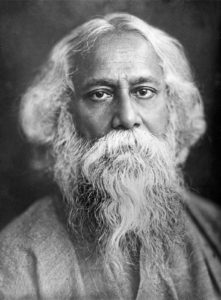
The Last Bargain by Rabindranath Tagore About the Poet

Poet NameRabindranath Tagore
Born7 May 1861, Kolkata
Died7 August 1941, Jorasanko Thakurbari, Kolkata
ArtworksDancing Woman, Woman’s Face
On viewNational Gallery of Modern Art
The Last Bargain Summary by Rabindranath Tagore

The Last Bargain Summary in English

A man was looking for a job. He was willing to serve anybody on payment. He was waiting to be hired. He walked along the stony road for an employer. The king carrying a sword in his hand came in his open royal vehicle. He caught the man by the arm and said that he was ready to hire him with his power. But the offer was rejected as power had no attraction for the man. The king went away.

At midday it was hot and the houses had their doors shut. The man was going along the irregular lane. An old man on hearing his offer, came to hire him with his gold coins. He counted the coins one by one. But gold also could not persuade the man to sell his services.

It was evening. The hedges round the garden were laiden with flowers. A lovely maid came out and offered to hire him with her smile. But she too went away disappointed. Her smile turned into tears and she was lost in the dark.

In the setting sunlight the sand around seacoast shone golden. The sea waves beat their heads on the shore and broke up. A child sitting there was playing with sea-shells. He said to the man that he was ready to hire him but without any payment. The man finalised the deal. He joined the child in game and since then he felt like a free man.

The Last Bargain Summary in Hindi

एक व्यक्ति काम की तलाश में था। वह किसी की सेवा पारिश्रमिक लेकर करने को तैयार था। वह प्रतीक्षा में था कि कोई उसे नौकर रख ले। वह पथरीली सड़क पर रोजगार देने वाले की खोज करता फिर रहा था। राजा हाथ में तलवार लिये खुले शाही रथ पर सवार सामने आये। उसने उस व्यक्ति का बाजू पकड़ा और कहा मैं तुम्हें अपनी शक्ति के बल पर भाड़े पर रखने को तैयार हूँ। पर व्यक्ति ने उनका प्रस्ताव ठुकरा दिया क्योंकि उसकी दृष्टि में बल का कोई महत्त्व न था। राजा चला गया।

दोपहर को गर्मी थी और घरों के दरवाजे बन्द थे। व्यक्ति टेढे मेढे रास्ते से जा रहा था। एक वृद्ध व्यक्ति उसकी आवाज सुनकर उसे भाड़े पर लेने आ गया। उसके पास स्वर्ण मुद्रायें थीं। उसने उन सिक्कों को एक-एक करके गिना। पर स्वर्ण सिक्के भी उस व्यक्ति को अपनी सेवाएं बेचने को प्रेरित न कर सके।

शाम हो गयी। बाग के किनारे अभी बाड़ों में फूल लदे थे। एक सुन्दर लड़की अपनी मुस्कुराहट से उसे नौकर रखने को तैयार हो गयी। पर उसे भी निराश होना पड़ा। उसकी मुस्कुराहट आँसुओं में बदल गयी और वह अंधेरे में गुम हो गयी।

अस्त होते सूर्य के प्रकाश में समुद्र तट की रेत चमक रही थी। समुद्र की लहरें भी तट पर सिर पटककर टूटती रहीं। वहाँ बैठा एक बच्चा समुद्री कौड़ियों से खेल रहा था। उसने व्यक्ति को बोला कि वह उसे खरीद सकता है पर बिना कुछ दिए। व्यक्ति ने उस सौदे को मंजूर कर लिया। वह बच्चे के साथ खेल में शामिल हो गया तथा तब से वह स्वयं को एक आजाद व्यक्ति महसूस करने लगा।

The Letter Extra Questions and Answers Class 10 English Literature

Here we are providing The Letter Extra Questions and Answers Class 10 English Literature Reader, Extra Questions for Class 10 English was designed by subject expert teachers.

The Letter Extra Questions and Answers Class 10 English Literature

The Letter Extra Questions and Answers Short Answer Type

Question 1.
Ali in the story The Letter is a lonely man. How does the writer bring out Ali’s loneliness?
Answer:
Ali lived all alone, passing his days in wait of a letter from his only child Miriam. The writer while describing Ali’s journey to the post office says he walks his lonely way, where except for the occasional bark of a dog, the distant steps of a workman going early to work or the screech of a bird disturbed before its time, the whole town was wrapped in deathly silence.

Question 2.
In the story The Letter what are the changes that come over Ali after the marriage of his daughter Miriam?
Answer:
Ali misses his daughter once she goes away. He realises how much he loves her. It also brings to him the realisation that the world is based on love. This makes him give up hunting. He can no longer bear to see the pain of the partridges separated from their parents who have been killed. He patiently waits for his daughter’s letter and goes to the post office daily without bothering about the cold or the heat. He bears the jests and rude remarks of the clerks at the post office.

Question 3.
What made Ali a good shikari?
Answer:
Ali had the hunter’s instinct in his blood and bones. A clever shikari, his skill and love for the hunt made it impossible for him to pass a day without hunting. Due to his sharp eyesight, Ali easily spotted the earth brown partridge, almost invisible to others and the cunningly hidden hare crouching in the yellow brown scrub.

Question 4.
“The post office, one of the uninteresting buildings in the world, became his place of pilgrimage.” Who is being referred to here? Why did he come to the post office? Why has the journey been described as a pilgrimage?
Answer:
Coachman Ali is being referred to here. He went daily to the post office waiting for his daughter’s letter. A pilgrimage is a journey, which is often long and difficult, to a special place for religious reasons. Ali’s visits to the post office have been described as a pilgrimage because he went to the post office daily, braving the bitter cold and the heat, with the faith that he would receive his daughter’s letter.

Question 5.
Describe the Postmaster.
Answer:
The Postmaster was a man with a face as sad and as inexpressive as a pumpkin. He did not display any signs of liveliness or excitement. He carried out his job without compassion or feeling. He did not understand Ali’s feelings till his own daughter fell sick.

Question 6.
Why did Ali not come to the post office for several days? Give reasons for your answer.
Answer:
Ali did not come to the post office for several days probably because he was very sick. We can conclude this from the fact that before this for the past five years he had not missed coming to the post office. Moreover, when he came, it was a struggle for him to breathe and on his face were clear signs of the approaching end.

Question 7.
Who did Ali meet on his way back from the post office? What request did he make to him?
Answer:
On his way back from the post office, Ali met one of the post office clerks, a fellow called Lakshmi Das. Ali stopped him and gave him five golden guineas. He told the clerk that he was dying and that day was his very last day. But he had neither seen Miriam nor had he received any letter from her. He told the clerk to keep the money and to keep Miriam’s letter, when it came, on his grave.

Question 8.
What brought about a change in the Postmaster’s attitude?
Answer:
The Postmaster’s attitude changed when his daughter lay ill in another town, and he was anxiously waiting for news of her. This worry and anxiety about her changed the Postmaster. His father’s heart recognised Ali’s yearning for his daughter. The haughty temper of the official left him in his sorrow and anxiety and his human heart was laid bare.

Question 9.
What difference did the Postmaster notice in Ali?
Answer:
Ali was still the meek old man, bent double with age. The tears were wet on his face as they had been when the clerk left him. But his features had been hard then, and now they were softened by lines of kindliness. He lifted his eyes and in them was a light so unearthly that the Postmaster shrank back in fear and astonishment.

Question 10.
Give a short description of Ali.
Answer:
Ali was an old man, bent double with age. He was poor and wore tom clothes. He leant heavily on his stick as he walked. He had sharp eyesight and in his youth he had been a good shikari. His sharp eyes could see the hare even when the dogs failed. He lived alone in the village ever since his daughter, Miriam, had got married and gone away with her husband to Punjab.

The Letter Extra Questions and Answers Long Answer Type

Question 1.
Tortured by doubt and remorse, the Postmaster sits in the glow of a charcoal sigri that night, waiting for news of his daughter. As the Postmaster, write a diary entry outlining your feelings.
Answer:
20 June 20XX
Today, as I was eagerly going through the mail waiting for my daughter’s letter, my eyes fell upon the letter Coachman Ali had been waiting for. I was shocked on seeing the letter, and my heart was filled with compassion and regret. It was not long ago that Ali had come to me and humbly asked me if I had a letter from his Miriam. I can’t forget how I had reacted. I had rebuked him and told him to go away. I hadn’t seen the pain in his eyes, his tears of helplessness. I hadn’t seen the anguish of the father whose patience had been exhausted even if his faith still held. How all of us had poked fun at him! We had called him a lunatic! How insensitive we were!
My own daughter’s sickness has brought about a major change in me. As I anxiously await news of my daughter, I can understand what poor Ali must have gone through. Now I look at every envelope differently— as though it contains a warm beating heart.

Question 2.
Rebuked by the Postmaster, Ali walks away from the post office with a heavy heart. That night, he writes his diary outlining his feelings about the day’s events and his approaching end. As Ali, write the diary entry.
Answer:
19 June 20XX
It is my love for Miriam that drives me to the post office every day. I miss her and wait for any news from her. I have been waiting at the post office daily for five long years but in vain. The post office employees make fun of me. Today I was rebuked by the Postmaster, maybe they are disturbed by my presence. I will not go there again. I know that my end is near. I will give money to Lakshmi Das to lay Miriam’s letter on my grave. I am sure the letter will come.

Question 3.
Lakshmi Das, a clerk in the post office, writes a letter to his friend describing the events that take place after Ali’s death and his role in the story. Write the letter as Lakshmi Das.
Answer:
2 March, 20XX
Dear Ram Prasad
I wish to recount a strange incident that occurred today involving an old man who died three months ago.
This incident has changed my beliefs and my attitude towards life. The incident inVolves old Coachman Ali. If you remember, I told you of this man whose daughter got married and moved away to Punjab five years ago. He would come every day to the post office to wait for a letter from his daughter.

We often made fun of him. We would call out his name just to see him get up and rush to the door. Yet, he came daily, just the same, in rain and in cold. One day, about three months ago, the Postmaster rebuked him rudely. He said the letter would be delivered to him when it came. Ali left the post office with tears in his eyes. He met me and gave me five golden guineas to lay his daughter’s letter on his grave. Ali died shortly after this.
Today, a letter came from Miriam. When I went to the post office I heard the Postmaster talking to someone. He told me Ali had come to take his letter. He was staring with wide-open eyes at the doorway. Miriam’s letter was lying near the door in the evening we went and kept the letter on Ali’s grave.
Yours sincerely,
Lakshmi Das

Question 4.
A newspaper reporter hears of the Postmaster’s strange encounter with Ali. He writes a report in the newspaper about Ali’s long wait for the letter and his strange appearance at the post office the day he receives a letter from Miriam. As the newspaper reporter, write the article Love Knows
Answer:
No Boundaries.
Heading—LOVE KNOWS NO BOUNDARIES
Byline—by staff reporter
The strength of love, gives courage to face all kinds of situations. Ali’s love for Miriam is reflected in the eagerness with which he waited for her letter. He visited the post office daily, braving the weather, the ridicule of clerks and even the Postmaster’s rebuke. He waited in vain for the letter and died before it arrived. Postmaster saw Ali after his death and spoke to him. In the end, he laid the letter on Ali’s grave. This incident is an example of the power of love.

Question 5.
It is essential to respect everyone’s feelings. Bring out this message with reference to the story
Answer:
The Letter.
The message of the story is that we should always respect everyone’s feelings and take care not to hurt others. Coachman Ali’s daughter got married and left him and then he understood the meaning of love and separation. Since then, he had been regularly visiting the post office, expecting a letter from his daughter Miriam, but returning home empty handed. One day, the post master rebuked him harshly.

Soon, the post master’s daughter fell ill and he was anxious to hear from her. As he waited for his daughter’s letter, he realised his mistake and how he had hurt Ali. He realised the pain of a father waiting for his daughter’s letter. His attitude changed. He now saw the letters as the essential expressions of a human heart, not just pieces of paper. He understood the human worth of a letter.

The Letter Extra Questions and Answers Reference to Context

Read the following passages taken from The Letter and answer the questions:

Question 1.
“Beholding the wooden arch of this building, the old man was filled with the joy that the pilgrim feels when he first sees the goal of his journey. ’’

(a) What building is being referred to here?
Answer:
The post office is being referred to here.

(b) Why is the old man called a pilgrim?
Answer:
The old man comes to the post office with feelings of faith and love.

(c) Why is the building the goal of his journey?
Answer:
The old man comes to the post office to check if there is a letter for him from his daughter Miriam.

Question 2.
“But for the faith and love that warmed him, he could not have borne the bitter cold. ”
(a) Who is the ‘he’ in this line?
Answer:
The ‘he’ mentioned in this line is Coachman Ali.

(b) Why was he at the post office in the bitter cold?
Answer:
Ali came to the post office daily to wait for a letter from his daughter Miriam, despite the bitter cold and waited there till the letters had been sorted out for delivery’.

(c) What gave Ali the strength to brave the bitter cold?
Answer:
The old man loved his daughter Miriam who had gone off to the Punjab with her husband five years ago. He had faith that she would write to him. This love and faith gave him the strength to bear the bitter winter cold.

Question 3.
“The old man got up, raised his eyes to heaven in gratitude and stepping forward put his hands to the door. ”
(a) Who is the old man?
Answer:
The old man is Coachman Ali.

(b) Why did he raise his eyes to heaven in gratitude?
Answer:
The clerk sorting out the letters had called out his name. Thinking he had got a letter from his daughter Miriam (for which he had been waiting for the past five years), he thanked god and stepped forward to receive the letter.

(c) Why had the clerk called out his name?
Answer:
Every day, regardless of the weather, Ali came and sat on a bench at the post office waiting for his daughter’s letter. The clerk called out his name in jest even though there was no letter for him for the fun of seeing him jump up and come to the door.

Question 4.
“Now he understood the meaning of love and separation. He could no longer enjoy the sportsman’s pleasure and laughter at the bewildered terror of the young partridges bereft of their parents. ”

(a) Who is he?
Answer:
He is Coachman Ali.

(b) Why had he understood the meaning of love and separation now?
Answer:
Ali’s daughter Miriam had gotten married and gone away to the Punjab with her husband and he had not heard from her for the past five years.

(c) How had he reacted to hunting partridges earlier?
Answer:
Earlier, Ali had laughed at the young partridges who had been separated from their parents.

Question 5.
“That day he could not contain his impatience. ”

(a) Who is he?
Answer:
He is Coachman Ali.

(b) Why was he impatient?
Answer:
Ali had been waiting in vain for his daughter’s letter for the past five years. He knew that he was sick and approaching his end. He was impatient to have news of his daughter before he died.

(c) How did he show his impatience?
Answer:
Ali walked up to the Postmaster and asked if he had a letter for him from Miriam rather than waiting quietly.

Question 6.
“He knew at once that this was the letter the old man had been waiting for: it must be from his daughter Miriam. ”
(a) Who is ‘he’?
Answer:
The ‘he’ mentioned here is the Postmaster.

(b) Where was the old man?
Answer:
The old man had died.

(c) Which literary device has been used in these lines?
Answer:
The literary device used here is irony. Ali had waited for five years for a letter from his daughter Miriam and now when the letter arrived, Ali was dead.

Complete the table by explaining the following phrases/sentences in your own words.

Ph rases/SentencesMeanings
(a) Happy memories light up a life that is nearing its closeAli was old and approaching death. At this time, recollections of happier times brought joy to his unhappy life.
(b) The sounds helped him along his lonely wayAli was walking down a deserted street early in the morning. The familiar sounds of grinding mills, and the sweet voices of women singing at their work gave him comfort and the courage to walk on.
(c) The cold used sleep to extend its sway over all things even as a false friend lulls his chosen victim with caressing smilesJust as a false friend uses sweet words and false smiles to reassure and lay to rest any suspicion in the heart of his intended victim, the cold weather, too, deceives its victims by . . 9 soothing them into sleep and killing them as they sleep.
(d) when the evening of his life was drawing in, he left his old ways and suddenly took a new turnAs he became older and approached the end of his life, Ali gave up his old habits and occupation (hunting animals) and changed his attitude and his lifestyle.
(e) The whole universe is built through love and the grief of separation is inescapableThe basis on which the universe revolves is love and if one loves someone, the pain of separation is unavoidable.
(f) The postmaster, a man with a face as sad and as inexpressive as a pumpkin, would be seen sitting on his chair insideThe postmaster was an unimpressive person with a sad and vacant look on his face.
(g) The haughty temper of the official had quite left him in his sorrow and anxiety, and had laid bare his human heartThe shared grief related to their respective daughters had made the postmaster give up his arrogant attitude. His sorrow and worry aroused compassion and understanding

Macavity The Mystery Summary in English by T.S. Eliot

We have decided to create the most comprehensive English Summary that will help students with learning and understanding.

Macavity The Mystery Summary in English by T.S. Eliot

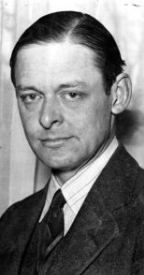
Macavity The Mystery by T.S. Eliot About the Poet

Poet NameT. S. Eliot
Born26 September 1888, St. Louis, Missouri, United States
Died4 January 1965, Kensington
Full NameThomas Stearns Eliot
PoemsThe Waste Land, The Love Song of J. Alfred Prufrock
Macavity The Mystery Summary by T.S. Eliot

Macavity The Mystery Summary in English

Macavity is a mystery cat. He is the master criminal. He can defy and break any law. Even the police force and Flying Squad of England have failed to arrest him. He gives a slip to them. When the police reach the scene of crime, it is too late. The criminal by that time is gone.

Macavity is matchless in his field. He can do any impossible task. He can disappear. He can break Newton’s law of gravity and float in the air without support. Even the fakir and the magician are surprised to see his feats. He will outwit you. You may look for him in the basement and in the air, you will have no access to him.

Macavity is a tall and thin cat. His eyes are sunken, and his head is lined. His head is round like a dome. His coat is soiled and his hair is in disorder. He moves like a snake. When you think he is sleeping, he is, in fact, wide awake.

Macavity is a devil in cat’s shape. He is morally corrupt. You can meet him in a lane and in open grounds. But you will not find him where the crime has been committed.

Macavity The Mystery Summary in Hindi

फोर्स और उड़नदस्ता भी उसे अब तक पकड़ नहीं पाए हैं। वह उन्हें चकमा दे जाता है। जब तक सिपाही अपराध वाले स्थान पर पहुँचते हैं तब तक काफी देर हो चुकी होती है। अपराधी उस समय तक वहाँ से चम्पत हो जाता है।

मेकेविटी अपने क्षेत्र में बेजोड़ है। वह कोई भी असम्भव काम कर सकता है। वह गायब हो सकता है। वह न्यूटन के गुरुत्वाकर्षण वाले सिद्धान्त को तोड़ कर बिना किसी सहारे के हवा में उड़ सकता है। फकीर और जादूगर उसके करतबों को देखकर विस्मित रह जाते हैं। वह आपको चकमा दे देगा आप उसे चाहे भूतल में खोजें अथवा हवा में आपके हाथ कुछ भी नहीं लगेगा।

मेकेविटी एक लम्बा पतला बिल्ला है। उसकी आँखें अन्दर धंसी हुई हैं। और उसके माथे पर बल पड़े रहते हैं। उसका सिर गुम्बद की तरह गोल है। उसका कोट गंदा रहता है और उसके बाल बिखरे होते हैं। वह साँप की चाल चलता है। जब आप सोचते हैं कि वह सो रहा है, वह वास्तव में पूरा सजग होता है।

मेकेविटी बिल्ला के शरीर में दानव बसा है। वह नैतिक रुप से भ्रष्ट है। आप उसे गलियों में और खुले स्थानों पर सब जगह देख सकते हैं। पर आप उसे अपराध वाले स्थान पर कभी नहीं पायेंगे।