Basic Concepts In Plant Disuse Culture

Learninsta presents the core concepts of Biology with high-quality research papers and topical review articles.

Basic Concepts In Plant Disuse Culture

Growing plant protoplasts, cells, tissues or organs away from their natural or normal environment, under artificial condition, is known as Tissue Culture. It is also known as in vitro (In vitro is a Latin word, it means that – in glass or in test-tube) growth of plant protoplasts, cells, tissues and organs. A single explant can be multiplied into several thousand plants in a short duration and space under controlled conditions.

Tissue culture techniques are often used for commercial production of plants as well as for plant research. Plant tissue culture serves as an indispensable tool for regeneration of transgenic plants. Apart from this some of the main applications of Plant tissue culture are clonal propagation of elite varieties, conservation of endangered plants, production of virus-free plants, germplasm preservation, industrial production of secondary metabolites. etc., In this chapter let us discuss the history, techniques, types, applications of plant tissue culture and get awareness on ethical issues.

Gottlieb Haberlandt (1902) the German Botanist proposed the concept Totipotency and he was also the first person to culture plant cells in artifiial conditions using the mesophyll cells of Lamium purpureum in culture medium and obtained cell proliferation. He is regarded as the father of tissue culture.

Basic concepts of Tissue Culture

Basic concepts of plant tissue culture are totipotency, diffrentiation, dediffrentiation and rediffrentiation.

Totipotency

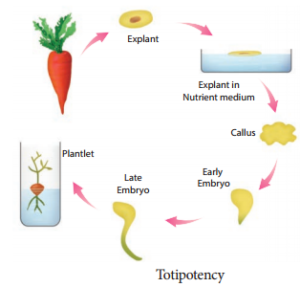
The property of live plant cells that they have the genetic potential when cultured in nutrient medium to give rise to a complete individual plant.

Differentiation

The process of biochemical and structural changes by which cells become specialized in form and function.
Basic Concepts In Plant Disuse Culture img 1

Rediffrentiation

The further diffrentiation of already differentiated cell into another type of cell. For example, when the component cells of callus have the ability to form a whole plant in a nutrient medium, the phenomenon is called redifferentiation.

Dediffrentiation

The phenomenon of the reversion of mature cells to the meristematic state leading to the formation of callus is called dediffrentiation. These two phenomena of rediffrentiation and dedifferentiation are the inherent capacities of living plant cells or tissue. This is described as totipotency.

Applications Of Biotechnology

Learninsta presents the core concepts of Biology with high-quality research papers and topical review articles.

Applications Of Biotechnology

Biotechnology is one of the most important applied interdisciplinary sciences of the 21st century. It is the trusted area that enables us to find the benefiial way of life.

Biotechnology has wide applications in various sectors like agriculture, medicine, environment and commercial industries.

This science has an invaluable outcome like transgenic varieties of plants e.g. transgenic cotton (Bt-cotton), rice, tomato, tobacco, cauliflwer, potato and banana.

The development of transgenics as pesticide resistant, stress resistant and disease resistant varieties of agricultural crops is the immense outcome of biotechnology.

The synthesis of human insulin and blood protein in E.coli and utilized for insulin defiiency disorder in human is a breakthrough in biotech industries in medicine.

The synthesis of vaccines, enzymes, antibiotics, dairy products and beverages are the products of biotech industries. Biochip based biological computer is one of the successes of biotechnology.

Genetic engineering involves genetic manipulation, tissue culture involves aseptic cultivation of totipotent plant cell into plant clones under controlled atmospheric conditions.

Single cell protein from Spirulina is utilized in food industries. Production of secondary metabolites, biofertilizers, biopesticides and enzymes. Biomass energy, biofuel, Bioremediation, phytoremediation for environmental biotechnology.

Transgenic Plants / Genetically Modified Crops

Learninsta presents the core concepts of Biology with high-quality research papers and topical review articles.

Transgenic Plants / Genetically Modified Crops

Herbicide Tolerant – Glyphosate

Weeds are a constant problem in crop filds. Weeds not only compete with crops for sunlight, water, nutrients and space but also acts as a carrier for insects and diseases. If leaf uncontrolled, weeds can reduce crop yields signifiantly.

Glyphosate herbicide produced by Monsanto, USA company under the trade name ‘Round up’ kills plants by blocking the 5-enopyruvate shikimate-3 phosphate synthase (EPSPS) enzyme, an enzyme involved in the biosynthesis of aromatic amino acids, vitamins and many secondary plant metabolites. There are several ways by which crops can be modified to be glyphosate-tolerant.

One strategy is to incorporate a soil bacterium gene that produces a glyphosate tolerant form of EPSPS. Another way is to incorporate a different soil bacterium gene that produces a glyphosate degrading enzyme.

Advantages of Herbicide Tolerant Crops

  • Weed control improves higher crop yields;
  • Reduces spray of herbicide;
  • Reduces competition between crop plant and weed;
  • Use of low toxicity compounds which do not remain active in the soil; and
  • The ability to conserve soil structure and microbes.

Herbicide Tolerant – Basta

Trade name ‘Basta’ refers to a non-selective herbicide containing the chemical compound phosphinothricin. Basta herbicide tolerant gene PPT (L-phosphinothricin) was isolated from Medicago sativa plant. It inhibits the enzyme glutamine synthase which is involved in ammonia assimilation.

The PPT gene was introduced into tobacco and transgenic tobacco produced was resistant to PPT. Similar
enzyme was also isolated from Streptomyces hygroscopicus with bar gene encodes for PAT (Phosphinothricin acetyl transferase) and was introduced into crop plants like potato and sugar-beet and transgenic crops have been developed.

Insect resistance – Bt Crops:

(i) Bt Cotton

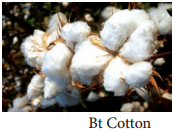
Bt cotton is a genetically modifid organism (GMO) or genetically modified pest resistant plant cotton variety, which produces an insecticide activity to bollworm. Strains of the bacterium Bacillus thuringiensis produce over 200 different Bt toxins, each harmful to different insects.

Most Bt toxins are insecticidal to the larvae of months and butterfles, beetles, cotton bollworms and gatfles but are harmless to other forms of life. The genes are encoded for toxic crystals in the Cry group of endotoxin. When insects attack and eat the cotton plant the Cry toxins are dissolved in the insect’s stomach.

The epithelial membranes of the gut block certain vital nutrients thereby suffient regulation of potassium ions are lost in the insects and results in the death of epithelial cells in the intestine membrane which leads to the death of the larvae.

Advantages

The advantages of Bt cotton are:

  • Yield of cotton is increased due to effective control of bollworms.
  • Reduction in insecticide use in the cultivation of Bt cotton
  • Potential reduction in the cost of cultivation.
    Transgenic Plants Genetically Modified Crops img 1

Disadvantages

Bt cotton has some limitations:

  • Cost of Bt cotton seed is high.
  • Effctiveness up to 120 days after that efficiency is reduced
  • Ineffctive against sucking pests like jassids, aphids and whitefly.
  • Affects pollinating insects and thus yield.

(ii) Bt Brinjal

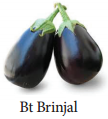
The Bt brinjal is another transgenic plant created by inserting a crystal protein gene (Cry1Ac) from the soil bacterium Bacillus thuringiensis into the genome of various brinjal cultivars.

The insertion of the gene, along with other genetic elements such as promoters, terminators and an antibiotic resistance marker gene into the brinjal plant is accomplished using Agrobacterium – mediated genetic transformation. The Bt brinjal has been developed to give resistance against Lepidopberan insects, in particular the Brinjal Fruit and Shoot Borer (Leucinodes orbonalis).
Transgenic Plants Genetically Modified Crops img 2

(iii) Dhara Mustard Hybrid (DMH)

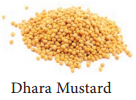
DMH – 11 is transgenic mustard developed by a team of scientists at the Centre for Genetic Manipulation of Crop Plants Delhi University under Government sponsored project. It is genetically modified variety of Herbicide Tolerant (HT) mustard.

It was created by using “barnase/barstar” technology for genetic modifiation by adding genes from soil bacterium that makes mustard, a self-pollinating plant. DMH – 11 contains three genes viz. Bar gene, Barnase and Barstar sourced from soil bacterium. The bar gene had made plant resistant to herbicide named Basta.
Transgenic Plants Genetically Modified Crops img 3

Virus Resistance

Many plants are affcted by virus attack resulting in series loss in yield and even death. Biotechnological intervention is used to introduce viral resistant genes into the host plant so that they can resist the attack by virus. This is by introducing genes that produce resistant enzymes which can deactivate viral DNA.

FlavrSavr Tomato

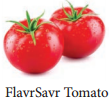
Agrobacterium mediated genetic engineering technique was followed to produce Flavr-Savr tomato, i.e., retaining the natural colour and flavour of tomato. Though genetic engineering, the ripening process of the tomato is slowed down and thus prevent it from softning and to increase the shelf life.

The tomato was made more resistant to rotting by Agrobacterium mediated gene transfer mechanism of introducing an antisense gene which interferes with the production of the enzyme polygalacturonase, which help in delaying the ripening process of tomato during long storage and transportation.
Transgenic Plants Genetically Modified Crops img 4

Golden rice – Biofortification

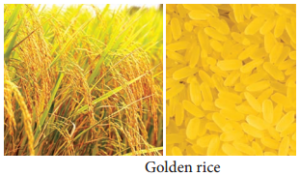
Golden rice is a variety of Oryza sativa (rice) produced through genetic engineering of biosynthesized beta-carotene, a precursor of Vitamin-A in the edible parts of rice developed by Ingo Potrykus and his group. The aim is to produce a fortifid food to be grown and consumed in areas with a shortage of dietary Vitamin-A.

Golden rice differs from its parental strain by the addition of three beta-carotene biosynthesis genes namely ‘psy’ (phytoene synthase) from daffdil plant Narcissus pseudonarcissus and ‘crt-1’ gene from the soil bacterium Erwinia auredorora and ‘lyc’ (lycopene cyclase) gene from wild-type rice endosperm.

The endosperm of normal rice, does not contain beta-carotene. Golden-rice has been genetically altered so that the endosperm now accumulates Beta-carotene. This has been done using Recombinant DNA technology. Golden rice can control childhood blindness – Xerophthalmia.
Transgenic Plants Genetically Modified Crops img 5

GM Food – Benefits

  • High yield without pest
  • 70% reduction of pesticide usage
  • Reduce soil pollution problem
  • Conserve microbial population in soil

Risks – believed to

  • Affect liver, kidney function and cancer
  • Hormonal imbalance and physical disorder
  • Anaphylactic shock (sudden hypersensitive reaction) and allergies.
  • Adverse effect in immune system because of bacterial protein.
  • Loss of viability of seeds seen in terminator seed technology of GM crops.

Polyhydroxybutyrate (PHB)

Synthetic polymers are non-degradable and pollute the soil and when burnt add dioxin in the environment which cause cancer. So, efforts were taken to provide an alternative eco-friendly biopolymers. Polyhydroxyalkanoates (PHAs) and polyhydroxybutyrate (PHB) are group of degradable biopolymers which have several medical applications such as drug delivery, scaffld and heart valves.

PHAs are biological macromolecules and thermoplastics which are biodegradable and biocompatible. Several microorganisms have been utilized to produce diffrent types of PHAs including Gram-positive like Bacillus megaterium, Bacillussubtilis and Corynebacterium glutamicum, Gram-negative bacteria like group of Pseudomonas sp. and Alcaligenes eutrophus.

Polylactic acid (PLA)

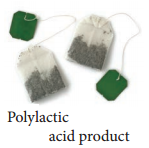
Polylactic acid or polylactide (PLA) is a biodegradable and bioactive thermoplastic. It is an aliphatic polyester derived from renewable resources, such as corn starch, cassava root, chips or starch or sugarcane. For the production of PLA, two main monomers are used: lactic acid, and the cyclic diester, lactide. The most common route is the ringopening polymerization of lactide with metal catalysts like tin octoate in solution. The metalcatalyzed reaction results in equal amount of d and polylactic acid.
Transgenic Plants Genetically Modified Crops img 6

Green Fluorescent Protein (GFP)

The green florescent protein (GFP) is a protein containing 238 amino acid residues of 26.9 kDa that exhibits bright green florescence when exposed to blue to ultraviolet range (395 nm). GFP refers to the protein first isolated from the jellyfih Aequorea victoria.

GFP is an excellent tool in biology due to its ability to form internal chromophore without requiring any accessory cofactors, gene products, enzymes or substrates other than molecular oxygen. In cell and molecular biology, the GFP gene is frequently used as a reporter of expression. It has been used in modifid forms to make biosensors.

Biopharming

Biopharming also known as molecular pharming is the production and use of transgenic plants genetically engineered to produce pharmaceutical substances for use of human beings. Ths is also called “molecular farming or pharming”. These plants are different from medicinal plants which are naturally available. The use of plant systems as bioreactors is gaining more signifiance in modern biotechnology. Many pharmaceutical substances can be produced using transgenic plants. Example: Golden rice

Bioremediation

It is defined as the use of microorganisms or plants to manage environmental pollution. It is an approach used to treat wastes including wastewater, industrial waste and solid waste. Bioremediation process is applied to the removal of oil, petrochemical residues, pesticides or heavy metals from soil or ground water.

In many cases, bioremediation is less expensive and more sustainable than other physical and chemical methods of remediation. An eco-friendly approach and can deal with lower concentrations of contaminants more effectively. The strategies for bioremediation in soil and water can be as follows:

  • Use of indigenous microbial population as indicator species for bioremediation process.
  • Bioremediation with the addition of adapted or designed microbial inoculants.
  • Use of plants for bioremediation – green technology.

Some examples of bioremediation technologies are:

  • Phytoremediation – use of plants to bring about remediation of environmental pollutants.
  • Mycoremediation – use of fungi to bring about remediation of environmental pollutants.
  • Bioventing a process that increases the oxygen or air flow to accelerate the degradation of environmental pollutants.
  • Bioleaching use of microorganisms in solution to recover metal pollutants from contaminated sites.
  • Bioaugmentation a addition of selected microbes to speed up degradation process.
  • Composting process by which the solid waste is composted by the use of microbes into manure which acts as a nutrient for plant growth.
  • Rhizofitration uptake of metals or degradation of organic compounds by rhizosphere microorganisms.
  • Rhizostimulation stimulation of plant growth by the rhizosphere by providing better growth condition or reduction in toxic materials.

Limitations

  • Only biodegradable contaminants can be transformed using bioremediation processes.
  • Bioremediation processes must be specifially made in accordance to the conditions at the contaminated site.
  • Small-scale tests on a pilot scale must be performed before carrying out the procedure at the contaminated site.
  • The use of genetic engineering technology to create genetically modifid microorganism or a consortium of microbes for bioremediation process has great potential.

Biofuel: Algal Biofuel

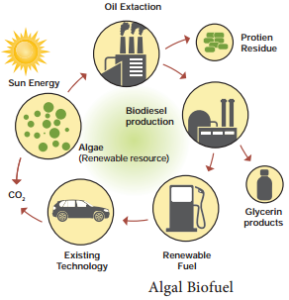
Algal fuel, also known as algal biofuel, or algal oil is an alternative to liquid fossil fuels, the petroleum products. This is also used as a source of energy-rich oils. Also, algal fuels are an alternative to commonly known biofuel sources obtained from corn and sugarcane. The energy crisis and the world food crisis have initiated interest in algal culture (farming algae) for making biodiesel and other biofuels on lands unsuitable for agriculture. Botryococcus braunii is normally used to produce algal biofuel.
Transgenic Plants Genetically Modified Crops img 7

Biological hydrogen production by algae

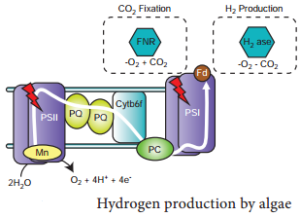
The biological hydrogen production with algae is a method of photo biological water splitting. In normal photosynthesis the alga, Chlamydomonas reinhardtii releases oxygen. When it is deprived of sulfur, it switches to the production of hydrogen during photosynthesis and the electrons are transported to ferrodoxins. [Fe]-hydrogenase enzymes combine them into the production of hydrogen gas.
Transgenic Plants Genetically Modified Crops img 8

Bioprospecting

Bioprospecting is the process of discovery and commercialization of new products obtained from biological resources. Bioprospecting may involve biopiracy, in which indigenous knowledge of nature, originating with indigenous people, is used by others for profit, without authorization or compensation to the indigenous people themselves.

Biopiracy

Biopiracy can be defined as the manipulation of intellectual property rights laws by corporations to gain exclusive control over national genetic resources, without giving adequate recognition or remuneration to the original possessors of those resources. Examples of biopiracy include recent patents granted by the U.S. Patent and Trademarks Office to American companies on turmeric, ‘neem’ and, most notably, ‘basmati’
rice. All three products are indigenous to the Indo-Pak subcontinent.

Biopiracy of Neem

The people of India used neem and its oil in many ways to controlling fungal and bacterial skin infections. Indian’s have shared the knowledge of the properties of the neem with the entire world.

Pirating this knowledge, the United States Department of Agriculture (USDA) and an American MNC (Multi Nation Corporation) W.R.Grace in the early 90’s sought a patent from the European Patent Office (EPO) on the “method for controlling of diseases on plants by the aid of extracted hydrophobic neem oil”. The patenting of the fungicidal and antibacterial properties of Neem was an example of biopiracy but the traditional knowledge of the Indians was protected in the end.

Biopiracy of Turmeric

The United States Patent and Trademark Office, in the year 1995 granted patent to the method of use of turmeric as an antiseptic agent. Turmeric has been used by the Indians as a home remedy for the quick healing of the wounds and also for purpose of healing rashes. The journal article published by the Indian Medical Association, in the year 1953 wherein this remedy was mentioned.

Therefore, in this way it was proved that the use of turmeric as an antiseptic is not new to the world and is not a new invention, but formed a part of the traditional knowledge of the Indians. The objection in this case US patent and trademark office was upheld and traditional knowledge of the Indians was protected. It is another example of Biopiracy.

Biopiracy of Basmati

On September 2, 1997, the U.S. Patent and Trademarks Offi granted Patent on “basmati rice lines and grains” to the Texas-based company RiceTec. This broad patent gives the company several rights, including exclusive use of the term ‘basmati’, as well proprietary rights on the seeds and grains from any crosses. The patent also covers the process of breeding RiceTec’s novel rice lines and the method to determine the cooking properties and starch content of the rice grains.

India had periled the United States to take the matter to the WTO as an infringement of the TRIPS agreement, which could have resulted in major embarrassment for the US. Hence voluntarily and due to few decisions take by the US patent office, Rice Tec had no choice but to lose most of the claims and most importantly the right to call the rice “Basmati”.

In the year 2002, the fial decision was taken. Rice Tec dropped down 15 claims, resulting in clearing the path of Indian Basmati rice exports to the foreign countries. The Patent Office ordered the patent name to be changed to ‘Rice lines 867’.

Screening For Recombiants

Learninsta presents the core concepts of Biology with high-quality research papers and topical review articles.

Screening For Recombiants

After the introduction of r-DNA into a suitable host cell, it is essential to identify those cells which have received the r-DNA molecule. This process is called screening. The vector or foreign DNA present in recombinant cells expresses the characters, while the non-recombinants do not express the characters or traits. For this some of the methods are used and one such method is Blue-White Colony Selection method.
Screening For Recombiants img 1

Insertional Inactivation – BlueWhite Colony Selection Method

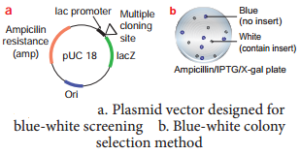
It is a powerful method used for screening of recombinant plasmid. In this method, a reporter gene lacZ is inserted in the vector. The lacZ encodes the enzyme β-galactosidase and contains several recognition sites for restriction enzyme.

β-galactosidase breaks a synthetic substrate called X-gal (5-bromo-4-chloro-indolyl-β-D-galacto-pyranoside) into an insoluble blue coloured product. If a foreign gene is inserted into lacZ, this gene will be inactivated. Therefore, no-blue colour will develop (white) because β-galactosidase is not synthesized due to inactivation of lacZ.

Therefore, the host cell containing r-DNA form white coloured colonies on the medium contain X-gal, whereas the other cells containing non-recombinant DNA will develop the blue coloured colonies.
On the basis of colony colour, the recombinants can be selected.
Screening For Recombiants img 2

Antibiotic resistant markers

An antibiotic resistance marker is a gene that produces a protein that provides cells with resistance to an antibiotic. Bacteria with transformed DNA can be identifid by growing on a medium containing an antibiotic. Recombinants will grow on these media as they contain genes encoding resistance to antibiotics such as ampicillin, chloro amphenicol, tetracycline or kanamycin, etc., while others may not be able to grow in these media, hence it is considered useful selectable marker.

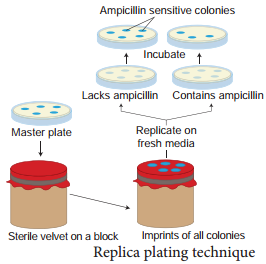
Replica plating technique

A technique in which the pattern of colonies growing on a culture plate is copied. A sterile filter plate is pressed against the culture plate and then lifted. Then the filter is pressed against a second sterile culture plate. This results in the new plate being infected with cell in the same relative positions as the colonies in the original plate. Usually, the medium used in the second plate will differ from that used in the first. It may
include an antibiotic or exclude a growth factor. In this way, transformed cells can be selected.
Screening For Recombiants img 3

Molecular Techniques – Isolation of Genetic Material and Gel Electrophoresis

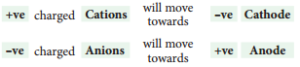
Electrophoresis is a separating technique used to separate diffrent biomolecules with positive and negative charges.

Principle

By applying electricity (DC) the molecules migrate according to the type of charges they have. The electrical charges on different molecules are variable.
Screening For Recombiants img 4

Agarose GEL Electrophoresis

It is used mainly for the purifiation of specific DNA fragments. Agarose is convenient for separating DNA fragments ranging in size from a few hundred to about 20000 base pairs. Polyacrylamide is preferred for the purifiation of smaller DNA fragments. The gel is complex network of polymeric molecules.

DNA molecule is negatively charged molecule – under an electric field DNA molecule migrates through the gel. The electrophoresis is frequently performed with marker DNA fragments of known size which allow accurate size determination of an unknown DNA molecule by interpolation. The advantages of agarose gel electrophoresis are that the DNA bands can be readily detected at high sensitivity.

The bands of DNA in the gel are stained with the dye Ethidium Bromide and DNA can be detected as visible florescence illuminated in UV light will give orange florescence, which can be photographed.

Nucleic Acid Hybridization Blotting Techniques

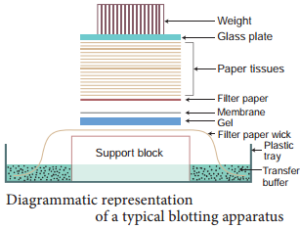
Blotting techniques are widely used analytical tools for the specifi identification of desired DNA or RNA fragments from larger number of molecules. Blotting refers to the process of immobilization of sample nucleic acids or solid support (nitrocellulose or nylon membranes.) The blotted nucleic acids are then used as target in the hybridization experiments for their specific detection.

Types of Blotting Techniques

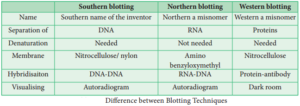
Southern Blotting:
The transfer of DNA from agarose gels to nitrocellulose membrane.

Northern Blotting:
The transfer of RNA to nitrocellulose membrane.

Western Blotting:
Electrophoretic transfer of Proteins to nitrocellulose membrane.

Southern Blotting Techniques – DNA:
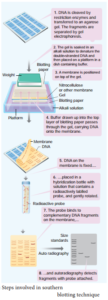
The transfer of denatured DNA from Agarose gel to Nitrocellulose Blotting or Filter Paper technique was introduced by Southern in 1975 and this technique is called Southern Blotting Technique.

Steps

The transfer of DNA from agarose gel to nitrocellulose filter paper is achieved by Capillary Action. A buffer Sodium Saline Citrate (SSC) is used, in which DNA is highly soluble, it can be drawn up through the gel into the Nitrocellulose membrane.

By this process ss-DNA becomes ‘Trapped’ in the membrane matrix. This DNA is hybridized with a nucleic acid and can be detected by autoradiography.

Autoradiography – A technique that captures the image formed in a photographic emulsion due to emission of light or radioactivity from a labelled component placed together with unexposed film.
Screening For Recombiants img 5

Northern Blot

It was found that RNA is not binding to cellulose nitrate. Therefore, Alwin et al. (1979) devised a procedure in which RNA bands are transferred from the agarose gel into nitrocellulose filter paper. This transfer of RNA from gel to special filter paper is called Northern Blot hybridization. The filter paper used for Northern blot is Amino Benzyloxymethyl Paper which can be prepared from Whatman 540 paper.

Western Blot

Refers to the electrophoretic transfer of proteins to blotting papers. Nitrocellulose filter paper can be used for western blot technique. A particular protein is then identified by probing the blot with a radio-labelled antibody which binds on the specific protein to which the antibody was prepared.

Bioassay for Target Gene Effect

Target gene is target DNA, foreign DNA, passenger DNA, exogenous DNA, gene of interest or insert DNA that is to be either cloned or specifially mutated. Gene targeting experiments have been targeting the nuclei and this leads to ‘gene knock-out’. For this purpose, two types of targeting vectors are used. They are insertion vectors and replacement or transplacement vectors.

Insertion vectors are entirely inserted into targeted locus as the vectors are linearized within the homology region. Initially, these vectors are circular but during insertion, become linear. It leads to duplication of sequences adjacent to selectable markers.
Screening For Recombiants img 6

Differences between Blotting Techniques

The replacement vector has the homology region and it is co-linear with target. This vector is linearized prior to transfection outside the homology region and then consequently a crossing over occurs to replace the endogenous DNA with the incoming DNA.
Screening For Recombiants img 7

Genome Sequencing and Plant Genome Projects

The whole complement of genes that determine all characteristics of an organism is called genome. Which may be nuclear genome, mitochondrial genome or plastid genome. Genome of many plants contain both functional and non-expressive DNA proteins.

Genome project refers to a project in which the whole genome of plant is analysed using sequence analysis and sequence homology with other plants. Such genome projects have so far been undertaken in Chlamydomonas(algae), Arabidopsis thaliana, rice and maize plants. Genome content of an organism is expressed in terms of number of base pairs or in terms of the content of DNA which is expressed as c-value.

Evolutionary pattern assessed using DNA

In recent years the evolutionary relationship between different plant taxa is assessed using DNA content as well as the similarities and differences in the DNA sequence (sequence homology). Based on such analysis the taxa and their relationship are indicated in cladogram. Which will show the genetic distance between two taxa. It also shows antiquity or modernity of any taxon with respect to one another (See also Unit-2, Chapter-5 of XI Std.)

Genome editing and CRISPR – Cas9

Genome editing or gene editing is a group of technologies that has the ability to change an organism’s DNA. These technologies allow genetic material to be added, removed, or altered at particular locations in the genome. Several approaches to genome editing have been developed. A recent one is known as CRISPR-Cas9, which is short form of Clustered Regularly Interspaced Short Palindromic Repeats and CRISPR-associated protein 9.

The CRISPR-Cas9 system has generated a lot of excitement in the scientific community because it is faster, cheaper, more accurate, and more efficient than other existing genome editing methods. Rice, was among the first plants to be used to demonstrate the feasibility of CRISPR mediated targeted mutagenesis and gene replacement.

The gene editing tool CRISPR can be used to make hybrid rice plants that can clone their seed. Imtiyaz Khand and Venkatesan Sundaresan and colleagues reported in a new study which clearly shows one can re-engineer rice to switch it from a sexual to an asexual mode.

RNA Interference (RNAi)

All characters of organism are the result of expression of different genes which are regions of nuclear DNA. This expression involves transcription and translation. Transcription refers to the copying of genetic information from one strand of the DNA (called sense strand) by RNA. This RNA, as soon as it formed cannot be straight away sent to the cytoplasm to undertake the process of translation.

It has to be edited and made suitable for translation which brings about protein synthesis. One of the main
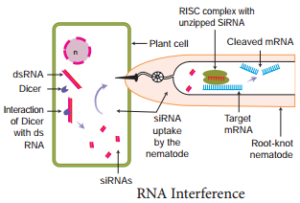
items removed from the RNA strand are the introns. All these changes before translation normally take place whereby certain regions of DNA are silence. However, there is an (RNAi) pathway. RNA interference is a biological process in which RNA molecules inhibit gene expression or translation. This is done by neutralising targetd mRNA molecules.

A simplified model for the RNAi pathway is based on two steps, each involving ribonuclease enzyme. In the first step, the trigger RNA (either dsRNA or miRNA primary transcript) is processed into a short interfering RNA (siRNA) by the RNase II enzymes called Dicer and Drosha. In the second step, siRNAs are loaded into the effector complex RNA-induced silencing complex (RISC). The siRNA is unwound during RISC assembly and the single-stranded RNA hybridizes with mRNA target. This RNAi is seen in plant feeding nematodes.
Screening For Recombiants img 8

Methods Of Gene Transfer

Learninsta presents the core concepts of Biology with high-quality research papers and topical review articles.

Methods Of Gene Transfer

The next step after a recombinant DNA molecule has been generated is to introduce it into a suitable host cell. There are many methods to introduce recombinant vectors and these are dependent on several factors such as the vector type and host cell.

For achieving genetic transformation in plants, the basic pre-requisite is the construction of a vector which carries the gene of interest flinked by the necessary controlling sequences, i.e., the promoter and terminator, and deliver the genes into the host plant. There are two kinds of gene transfer methods in plants. It includes:

  • Direct or vectorless gene transfer
  • Indirect or vector – mediated gene transfer

Methods Of Gene Transfer img 1

Direct or Vectorless Gene Transfer

In the direct gene transfer methods, the foreign gene of interest is delivered into the host plant without the help of a vector. The following are some of the common methods of direct gene transfer in plants.

a. Chemical mediated gene transfer:

Certain chemicals like polyethylene glycol (PEG) and dextran sulphate induce DNA uptake into plant protoplasts.

b. Microinjection:

The DNA is directly injected into the nucleus using fine tipped glass needle or micro pipette to transform plant cells. The protoplasts are immobilised on a solid support (agarose on a microscopic slide) or held with a holding pipette under suction.

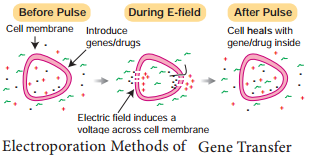
c. Electroporation Methods of Gene Transfer:

A pulse of high voltage is applied to protoplasts, cells or tissues which makes transient pores in the plasma membrane through which uptake of foreign DNA occurs.
Methods Of Gene Transfer img 2

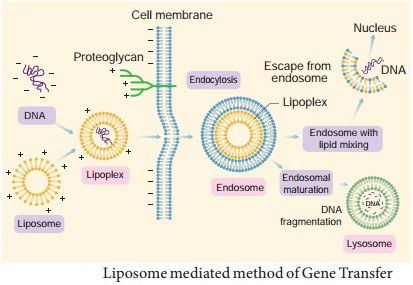
d. Liposome mediated method of Gene Transfer:

Liposomes the artificial phospholipid vesicles are useful in gene transfer. The gene or DNA is transferred from liposome into vacuole of plant cells. It is carried out by encapsulated DNA into the vacuole.

This technique is advantageous because the liposome protects the introduced DNA from being damaged by the acidic pH and protease enzymes present in the vacuole. Liposome and tonoplast of vacuole fusion resulted in gene transfer. This process is called lipofection.

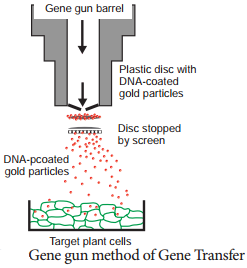
e. Biolistics:

The foreign DNA is coated onto the surface of minute gold or tungsten particles (1-3 µm) and bombarded onto the target tissue or cells using a particle gun (also called as gene gun/micro projectile gun/shotgun). Then the bombarded cells or tissues are cultured on selected medium to regenerate plants from the transformed cells. (Figure 4.16)
Methods Of Gene Transfer img 3

Indirect or Vector-Mediated Gene Transfer

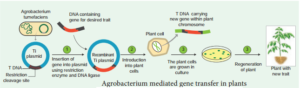
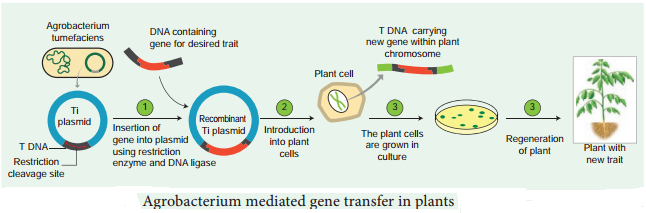
Gene transfer is mediated with the help of a plasmid vector is known as indirect or vector mediated gene transfer. Among the various vectors used for plant transformation, the Ti-plasmid from Agrobacterium tumefaciens has been used extensively.

This bacterium has a large size plasmid, known as Ti plasmid (Tumor inducing) and a portion of it referred as T-DNA (transfer DNA) is transferred to plant genome in the infected cells and cause plant tumors (crown gall). Since this bacterium has the natural ability to transfer T-DNA region of its plasmid into plant genome, upon infection of cells at the wound site, it is also known as the natural genetic engineer of plants.

The foreign gene (e.g. Bt gene for insect resistance) and plant selection marker gene, usually an antibiotic gene like npt II which confers resistance to antibiotic kanamycin are cloned in the T DNA region of Ti-plasmid in place of unwanted DNA sequences. (Figure 4.17)
Methods Of Gene Transfer img 4