Geological Time Scale

Learninsta presents the core concepts of Biology with high-quality research papers and topical review articles.

Geological Time Scale

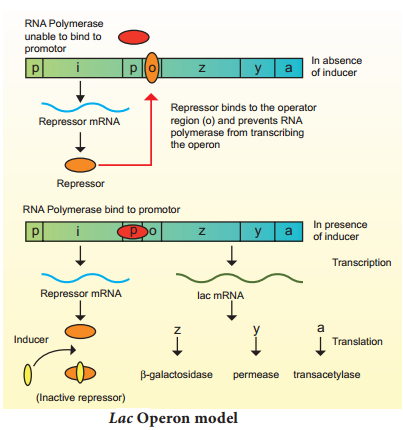
The duration of the earth’s history has been divided into eras that include the Paleozoic, Mesozoic, and Cenozoic. Recent eras are further divided into periods, which are split into epochs. The geological time scale with the duration of the eras and periods with the dominant forms of life is shown in Table 6.1.

The Paleozoic era is characterized by abundance of fossils of marine invertebrates. Towards the later half, other vertebrates (marine and terrestrial) except birds and mammals appeared.

The six periods of Paleozoic era in order from oldest to the youngest are Cambrian (Age of invertebrates), Ordovician (fresh water fihes, Ostracoderms, various types of Molluscs), Silurian (origin of fishes), Devonian (Age of fihes, many types of fishes such as lung fishes, lobe fined fishes and ray fined fihes), Mississippian (earliest amphibians, Echinoderms), Pennsylvanian (earliest reptiles), Permian (mammal like reptiles).

Geological Time Scale img 1

Mesozoic era (dominance of reptiles) called the Golden age of reptiles, is divided into three periods namely, Triassic (origin of egg laying mammals), Jurassic (Dinosaurs were dominant on the earth, fossil bird – Archaeopteryx) and Cretaceous (extinction of toothed birds and dinosaurs, emergence of modern birds).
Cenozoic era (Age of mammals) is sub divided into two periods namely Tertiary and Quaternary.

Tertiary period is characterized by abundant mammalian fauna. This period is subdivided into five epochs namely, Paleocene (placental mammals, Eocene (Monotremes except duck billed Platypus and Echidna, hoofed mammals and carnivores), Oligocene (higher placental mammals appeared), Miocene (origin of first man like apes) and Pliocene (origin of man from man like apes).

Quaternary period witnessed decline of mammals and beginning of human social life. The age of fossils can be determined using two methods namely, relative dating and absolute dating. Relative dating is used to determine a fossil by comparing it to similar rocks and fossils of known age. Absolute dating is used to determine the precise age of a fossil by using radiometric dating to measure the decay of isotopes.

Origin Of Life – Evolution Of Life Forms

Learninsta presents the core concepts of Biology with high-quality research papers and topical review articles.

Origin Of Life – Evolution Of Life Forms

Theory of special creation states that life was created by a supernatural power, respectfully referred to as “God”. According to Hinduism, Lord Brahma created the Earth. Christianity, Islam and most religions believe that God created the universe, the plants and the animals.

According to the theory of spontaneous generation or Abiogenesis, living organisms originated from non-living materials and occurred through stepwise chemical and molecular evolution over millions of years. Thomas Huxley coined the term abiogenesis.

Big bang theory explains the origin of universe as a singular huge explosion in physical terms. The primitive earth had no proper atmosphere, but consisted of ammonia, methane, hydrogen and water vapour. The temperature of the earth was extremely high.

UV rays from the sun split up water molecules into hydrogen and oxygen. Gradually the temperature cooled and the water vapour condensed to form rain. Rain water filled all the depressions to form water bodies. Ammonia and methane in the atmosphere combined with oxygen to form carbon-dioxide and other gases.

According to the theory of biogenesis life arose from pre-existing life. The term biogenesis also refers to the biochemical process of production of living organisms This term was coined by Henry Bastian.

According to the theory of chemical evolution primitive organisms in the primordial environment of the earth evolved spontaneously from inorganic substances and physical forces such, as lightning, UV radiations, volcanic activities, etc.,., Oparin (1924) suggested that the organic compounds could have undergone a series of reactions leading to more complex molecules. He proposed that the molecules formed colloidal aggregates or ‘coacervates’ in an aqueous environment.

The coacervates were able to absorb and assimilate organic compounds from the environment. Haldane (1929) proposed that the primordial sea served as a vast chemical laboratory powered by solar energy. The atmosphere was oxygen free and the combination of CO2, NH3 and UV radiations gave rise to organic compounds. The sea became a ‘hot’ dilute soup containing large populations of organic monomers and polymers.

They envisaged that groups of monomers and polymers acquired lipid membranes and further developed into the first living cell. Haldane coined the term prebiotic soup and this became the powerful symbol of the Oparin-Haldane view on the origin of life (1924-1929). Oparin and Haldane independently suggested that if the primitive atmosphere was reducing and if there was appropriate supply of energy such as lightning or UV light then a wide range of organic compounds can be synthesized.

DNA Finger Printing Technique

Learninsta presents the core concepts of Biology with high-quality research papers and topical review articles.

DNA Finger Printing Technique

The DNA fingerprinting technique was first developed by Alec Jeffreys in 1985 (Recipient of the Royal Society’s Copley Medal in 2014). Each of us have the same chemical structure of DNA. But there are millions of differences in the DNA sequence of base pairs. This makes the uniqueness among us so that each of us except identical twins is different from each other genetically.

The DNA of a person and finger prints are unique. There are 23 pairs of human chromosomes with 1.5 million pairs of genes. It is a well known fact that genes are segments of DNA which differ in the sequence of their nucleotides.

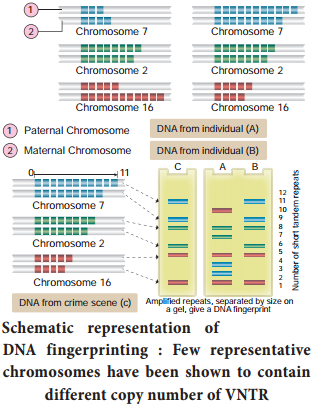
Not all segments of DNA code for proteins, some DNA segments have a regulatory function, while others are intervening sequences (introns) and still others are repeated DNA sequences. In DNA fingerprinting, short repetitive nucleotide sequences are specific for a person. These nucleotide sequences are called as variable number tandem repeats (VNTR).The VNTRs of two persons generally show variations and are useful as genetic markers.

DNA figer printing involves identifying diffrences in some specific regions in DNA sequence called repetitive DNA, because in these sequences, a small stretch of DNA is repeated many times. These repetitive DNA are separated from bulk genomic DNA as different peaks during density gradient centrifugation. The bulk DNA forms a major peak and the other small peaks are referred to as satellite DNA.

Depending on base composition (A : T rich or G : C rich), length of segment and number of repetitive units, the satellite DNA is classified into many sub categories such as micro-satellites, minisatellites, etc., These sequences do not code for any proteins, but they form a large portion of human genome.

These sequences show high degree of polymorphism and form the basis of DNA figerprinting (Fig. 5.15). DNA isolated from blood, hair, skin cells, or other genetic evidences lef at the scene of a crime can be compared through VNTR patterns, with the DNA of a criminal suspect to determine guilt or innocence. VNTR patterns are also useful in establishing the identity of a homicide victim, either from DNA found as evidence or from the body itself.
DNA Finger Printing Technique img 1

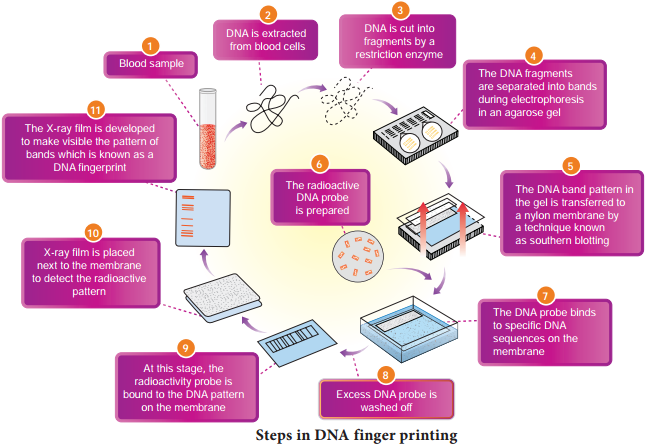
The Steps in DNA Fingerprinting technique is depicted in Fig. 5.16.

1. Extraction of DNA

The process of DNA fingerprinting starts with obtaining a sample of DNA from blood, semen, vaginal fluids, hair roots, teeth, bones, etc.,

2. Polymerase chain reaction (PCR)

In many situations, there is only a small amount of DNA available for DNA figerprinting. If needed many copies of the DNA can be produced by PCR (DNA amplifiation).

3. Fragmenting DNA

DNA is treated with restriction enzymes which cut the DNA into smaller fragments at specific sites.
DNA Finger Printing Technique img 2

4. Separation of DNA by electrophoresis

During electrophoresis in an agarose gel, the DNA fragments are separated into bands of different sizes. The bands of separated DNA are sieved out of the gel using a nylon membrane (treated with chemicals that allow for it to break the hydrogen bonds of DNA so there are single strands).

5. Denaturing DNA

The DNA on gels is denatured by using alkaline chemicals or by heating.

6. Blotting

The DNA band pattern in the gel is transferred to a thin nylon membrane placed over the ‘size fractionated DNA strand’ by Southern blotting.

7. Using probes to identify specific DNA

A radioactive probe (DNA labeled with a radioactive substance) is added to the DNA bands. The probe attaches by base pairing to those restriction fragments that are complementary to its sequence. The probes can also be prepared by using either ‘florescent substance’ or ‘radioactive isotopes’.

8. Hybridization with probe

After the probe hybridizes and the excess probe washed off a photographic film is placed on the membrane containing ‘DNA hybrids’.

9. Exposure on fim to make a genetic/DNA Fingerprint

The radioactive label exposes the film to form an image (image of bands) corresponding to specific DNA bands. The thick and thin dark bands form a pattern of bars which constitutes a genetic fingerprint.

Application of DNA figer printing

Forensic analysis:

1. It can be used in the identification of a person involved in criminal activities, for settling paternity or maternity disputes, and in determining relationships for immigration purposes.

2. Pedigree analysis – inheritance pattern of genes through generations and for detecting inherited diseases.

3. Conservation of wild life – protection of endangered species. By maintaining DNA records for identification of tissues of the dead endangered organisms.

4. Anthropological studies – It is useful in determining the origin and migration of human populations and genetic diversities.

Human Genome Project (HGP)

Learninsta presents the core concepts of Biology with high-quality research papers and topical review articles.

Human Genome Project (HGP)

The international human genome project was launched in the year 1990. It was a mega project and took 13 years to complete. The human genome is about 25 times larger than the genome of any organism sequenced to date and is the first vertebrate genome to be completed. Human genome is said to have approximately 3 × 10⁹ bp. HGP was closely associated with the rapid development of a new area in biology called bioinformatics.

Goals and methodologies of Human Genome Project

The main goals of Human Genome Project are as follows

  • Identify all the genes (approximately 30000) in human DNA.
  • Determine the sequence of the three billion chemical base pairs that makeup the human DNA.
  • To store this information in databases.
  • Improve tools for data analysis.
  • Transfer related technologies to other sectors, such as industries.
  • Address the ethical, legal and social issues (ELSI) that may arise from the project.

The methodologies of the Human Genome Project involved two major approaches. One approach was focused on identifying all the genes that are expressed as RNA (ESTS – Expressed Sequence Tags). The other approach was sequence annotation. Here, sequencing the whole set of genome was taken, that contains all the coding and non-coding sequences and later assigning different regions in the sequences with functions.

For sequencing, the total DNA from a cell is isolated and converted into random fragments of relatively smaller sizes and cloned in suitable hosts using specialized vectors. This cloning results in amplification of pieces of DNA fragments so that it could subsequently be sequenced with ease.

Bacteria and yeast are two commonly used hosts and these vectors are called as BAC (Bacterial Artificial Chromosomes) and YAC (Yeast Artificial Chromosomes). The fragments are sequenced using automated DNA sequencers (developed by Frederick Sanger).

The sequences are then arranged based on few overlapping regions, using specialized computer based programs. These sequences were subsequently annotated and are assigned to each chromosome. The genetic and physical maps on the genome are assigned using information on polymorphism of restriction endonuclease recognition sites and some repetitive DNA sequences, called microsatellites.

The latest method of sequencing even longer fragments is by a method called Shotgun sequencing using super computers, which has replaced the traditional sequencing methods.

Salient features of Human Genome Project:

  • The human genome contains 3 billion nucleotide bases.
  • An average gene consists of 3000 bases, the largest known human gene being dystrophin with 2.4 million bases.
  • Genes are distributed over 24 chromosomes. Chromosome 19 has the highest gene density. Chromosome 13 and Y chromosome have lowest gene densities.
  • The chromosomal organization of human genes shows diversity.
  • There may be 35000-40000 genes in the genome and almost 99.9 nucleotide bases are exactly the same in all people.
  • Functions for over 50 percent of the discovered genes are unknown.
  • Less than 2 percent of the genome codes for proteins.
  • Repeated sequences make up very large portion of the human genome. Repetitive sequences have no direct coding functions but they shed light on chromosome structure, dynamics and evolution (genetic diversity).
  • Chromosome 1 has 2968 genes whereas chromosome ’Y’ has 231 genes.
  • Scientists have identified about 1.4 million locations where single base DNA differences (SNPs – Single nucleotidepolymorphism – pronounce as ‘snips’) occur in humans.
  • Identification of ‘SNIPS’ is helpful in finding chromosomal locations for disease associated sequences and tracing human history.

Applications and future challenges

The mapping of human chromosomes is possible to examine a person’s DNA and to identify genetic abnormalities. This is extremely useful in diagnosing diseases and to provide genetic counselling to those planning to have children.

This kind of information would also create possibilities for new gene therapies. Besides providing clues to understand human biology, learning about non-human organisms, DNA sequences can lead to an understanding of their natural capabilities that can be applied towards solving challenges in healthcare, agriculture, energy production and environmental remediation.

A new era of molecular medicine, characterized by looking into the most fundamental causes of disease than treating the symptoms will be an important advantage.

  • Once genetic sequence becomes easier to determine, some people may attempt to use this information for profit or for political power.
  • Insurance companies may refuse to insure people at ‘genetic risk’ and this would save the companies the expense of future medical bills incurred by ‘less than perfect’ people.
  • Another fear is that attempts are being made to “breed out” certain genes of people from the human population in order to create a ‘perfect race’.

Regulation Of Gene Expression

Learninsta presents the core concepts of Biology with high-quality research papers and topical review articles.

Regulation Of Gene Expression

We have previously established how DNA is organized into genes, how genes store genetic information, and how this information is expressed. We now consider the most fundamental issues in molecular genetics. How is genetic expression regulated? Evidence in support of the idea that genes can be turned on and of is very convincing. Regulation of gene expression has been extensively studied in prokaryotes, especially in E. coli.

Gene expression can be controlled or regulated at transcriptional or post transcriptional or translational level. Here, we are going to discuss regulation of gene expression at transcriptional level. Usually, small extracellular or intracellular metabolites trigger initiation or inhibition of gene expression. The clusters of gene with related functions are called operons. They usually transcribe single mRNA molecules. In E.coli, nearly 260 genes are grouped into 75 different operons.

Structure of the operon:

Each operon is a unit of gene expression and regulation and consists of one or more structural genes and an adjacent operator gene that controls transcriptional activity of the structural gene.

  • The structural gene codes for proteins, rRNA and tRNA required by the cell.
  • Promoters are the signal sequences in DNA that initiate RNA synthesis. RNA polymerase binds to the promoter prior to the initiation of transcription.
  • The operators are present between the promoters and structural genes. The repressor protein binds to the operator region of the operon.

The Lac (Lactose) operon:

The metabolism of lactose in E.coli requires three enzymes – permease, β-galactosidase (β-gal) and transacetylase. The enzyme permease is needed for entry of lactose into the cell, β-galactosidase brings about hydrolysis of lactose to glucose and galactose, while transacetylase transfers acetyl group from acetyl Co A to β-galactosidase.

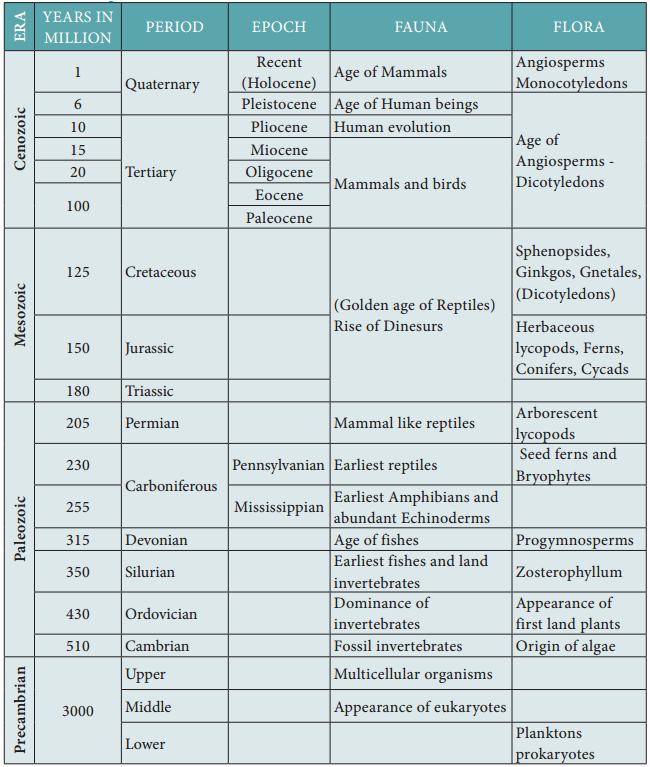
The lac operon consists of one regulator gene (‘i’ gene refers to inhibitor) promoter sites (p), and operator site (o). Besides these, it has three structural genes namely lac z, y and lac a. The lac ‘z’ gene codes for β-galactosidase, lac ‘y’ gene codes for permease and ‘a’ gene codes for transacetylase.

Jacob and Monod proposed the classical model of Lac operon to explain gene expression and regulation in E.coli. In lac operon, a polycistronic structural gene is regulated by a common promoter and regulatory gene. When the cell is using its normal energy source as glucose, the ‘i’ gene transcribes a repressor mRNA and after its translation, a repressor protein is produced.

It binds to the operator region of the operon and prevents translation, as a result, β-galactosidase is not produced. In the absence of preferred carbon source such as glucose, if lactose is available as an energy source for the bacteria then lactose enters the cell as a result of permease enzyme. Lactose acts as an inducer and interacts with the repressor to inactivate it.

The repressor protein binds to the operator of the operon and prevents RNA polymerase from transcribing the operon. In the presence of inducer, such as lactose or allolactose, the repressor is inactivated by interaction with the inducer.

This allows RNA polymerase to bind to the promotor site and transcribe the operon to produce lac mRNA which enables formation of all the required enzymes needed for lactose metabolism (Fig. 5.14). This regulation of lac operon by the repressor is an example of negative control of transcription initiation. Lac operon is also under the control of positive regulation as well.
Regulation Of Gene Expression img 1