Weathering the Storm Summary in English by Harsh Mander

We have decided to create the most comprehensive English Summary that will help students with learning and understanding. In this page, we are Providing Weathering The Storm In Ersama Summary.

Weathering the Storm Summary in English by Harsh Mander

Weathering the Storm by Harsh Mander About the Author

Harsh Mander is a social activist, author and a former officer of the Indian Administrative Services. He has founded and led many campaigns in the interest of social causes such as legal justice for survivors of communal violence, Dalit rights, the right to information, rehabilitation of street children and homeless people, among others. He serves as director in the Centre for Equity Studies and is also Special Commissioner to the Supreme Court in the Right to Food case. He has taught at many prestigious Indian as well as international institutions.

Some of his books include Ash in the Belly: India’s Unfinished Battle against Hunger and Unheard Voices: Stories of Forgotten Lives. He regularly contributes articles to leading newspapers, including The Hindu and Hindustan Times. Through his books and articles, Mander speaks of important social issues in India, such as communalism, poverty and caste discrimination, among others.

Author NameHarsh Mander
Born17 April 1955 (age 64 years), Shillong
ProfessionAuthor, Columnist, Researcher, Teacher
EducationVrije Universiteit Amsterdam, St Stephen’s College
Weathering the Storm Summary by Harsh Mander

Weathering the Storm Summary in English

The story is set in the year 1999, in cyclone-effected Orissa. Seven years after his mother’s death, the protagonist, Prashant, goes to visit his friend in the coastal town of Ersama. That very evening, a menacing storm descends upon the town. Although Prashant’s friend’s house withstands the fierce wind, it is flooded with rainwater and also gets damaged by trees that crash onto its roof and walls. The devastation continues for 36 hours and Prashant and his friend’s family have to resort to taking refuge on the roof to escape the rising floodwater.

Prashant’s first glimpse of the situation outside conveys the horror caused by the super cyclone: only a few broken cement houses are visible in a sheet of brown water; there are animal and human corpses floating everywhere. Fortunately, the trees that had crashed onto Prashant’s friend’s house were coconut trees. The tender coconuts save the family from starvation during the next couple of days. Prashant and his friend’s family spend the next two days on the roof, exposed to constant rain. Prashant is anxious about the safety of his own family. After two days, the rain finally stops and he is determined to go back home.

With only a long sturdy stick for support, Prashant begins his 18-kilometer long journey home on foot, navigating the flooded roads. The floodwaters make the journey extremely difficult; at several points it is so deep that he has to swim to find the road. Fortunately, he is joined by two friends of his uncle’s, who are also returning to their village.

During their journey, Prashant and his companions come across horrific and painful sights: they move past floating carcasses of men, women, children and animals. These sights fill Prashant with despair about the fate of his family.

Upon reaching his village, Kalikuda, Prashant sees that his house has been destroyed and scraps of its belongings have been caught in the branches of trees. Prashant goes to the Red Cross shelter in the hope of finding his family. Once there, he finds his maternal grandmother who looks weak with starvation. He also meets his extended family, which includes his uncles, aunts, brother and sister. His family is extremely happy to see Prashant, as they had also feared him to be dead.

Next morning, Prashant decides to take stock of the desperate situation. Four days after the storm, there are 2500 people at the shelter; a total of eighty-six people have died and all ninety-six houses have been destroyed. The remaining stock of tender coconuts is too little to sustain this number of survivors. Prashant, who is only nineteen years old, takes on the role of a leader. He organises a group of young people and elders to secure rice from a merchant. It is suggested such an attempt had been made earlier but was unsuccessful. However, with Prashant leading the charge, this time they return to the shelter with food for everyone. He then decides to organise youth volunteers to clean the shelter and tend to the wounds of the injured survivors.

On the fifth day, a military helicopter drops some food parcels. After that however, no help seems to be coming their way. The youth volunteers ask children to lie on the ground with empty utensils on their stomach. This visual message communicates their hunger to passing helicopters, which then return regularly with parcels of food and basic necessities.

Prashant sets up shelters made of polythene sheets for the orphaned children. Women look after these children while the men secure food and materials for the shelters. Soon, the grief that the children and women are facing becomes apparent to Prashant. He asks the women to participate in the food-for-work programme started by an NGO. For the children, Prashant organises sporting events. The government plans to set up institutions for the orphans and widows. But Prsahant’s group resists this move as they feel that the best rehabilitation of the orphans and widows can happen within their own community. They want to set up foster families consisting of childless widows and orphans where they can resettle their lives with love and care.

Six months after the devastating super cyclone, Prashant has coped with his grief by helping the people of his community. To the widows and orphaned children of his village, he has come to symbolise the light of hope.

Weathering the Storm Title

The title can be interpreted on two levels—first, literally facing a cyclonic storm, and second, facing emotional upheavals. In this story, we find both aspects as we read the remarkable story of Prashant, a survivor of the super- cyclonic storm that struck coastal Odisha in 1999. He lost several family members and friends in the storm, but showed immense courage and resourcefulness to ensure that the survivors did not have to wit and depend on government help alone for survival, but took care of their own needs themselves.

Weathering the Storm Setting

The story is set in Odisha, against the backdrop of the aftermath of the cyclonic storm that hit the coast in 1999.

Weathering the Storm Theme

The story highlights the destructive powers of nature, and its repercussions on humans. It also showcases the courage and spirit of one young boy in bringing relief and comfort to the suffering villagers. ‘

Weathering the Storm Message

The message of the story is that even a single person is capable of bringing about a great change with courage, determination, and selflessness. It also highlights the importance of community in helping to deal with a calamity.

Weathering the Storm Characters

Prashant: He was a nineteen year old boy who lost his family and friends in a cyclonic storm. He was surrounded by devastation and loss, but chose to meet the challenges head-on instead of losing hope due to the situation he was in. Along with the rest of the villagers, he became a victim of the destruction caused by a cyclonic storm, but instead of crying about his fate, he decided to do something practical to reduce the suffering of his fellow survivors.

He showed remarkable leadership qualities by organizing the rest of the youngsters and elders into a group, providing food to the other victims, and helping them to work out a solution to their situation. He was very intelligent as he made the children lie down on the sand with utensils on their stomach to catch the attention of the rescue helicopters flying around with food supplies. He persuaded the women to start working to supply food for themselves and others, and most importantly, he brought the orphans and widows together to mutually benefit each other.

Weathering the Storm Summary Questions and Answers

Question 1.
Why had Prashant gone to Ersama? What happened there?
Answer:
He had gone to Ersama to spend a day with a friend. He was caught in a terrible cyclonic storm, the likes of which he had never been a witness to.

Question 2.
Describe the storm that hit Ersama on the 27th of October, 1999?
Answer:
It was a dark and menacing storm which had a terrific wind velocity of 350kms/hr. It was accompanied by heavy and incessant rain flooding the whole area.

Question 3.
How long did the cyclone last? How did Prashant and his friend’s family spend the stormy night?
Answer:
The cyclone continued for almost thirty six hours. They spent the night sitting on the roof of the house in the open, because water had filled into the house.

Question 4.
How was his friend’s family luckier than the rest of the villagers?
Answer:
His friend’s family had a strong house made of brick and mortar which was able to withstand the fury of the wind, even though coconut trees had fallen onto the roof, damaging it. However, these trees provided the family with food till they were rescued.

Question 5.
Describe the scene that met Prashant’s horrified eyes in the morning at Ersama?
Answer:
It was a devastating sight. A raging, deadly brown sheet of water covered everything as far as the eye could see. Only a few fractured cement houses still stood. Bloated human corpses and animal carcasses floated in every direction.

Question 6.
How long did Prashant stay at his friend’s house? What were the thoughts that kept disturbing him?
Answer:
He stayed at his friend’s house for two more days. The only thought that kept disturbing him was whether his family had survived the calamity or if he was going to lose his loved ones once again.

Question 7.
Why did the two days seem like two years to Prashant?
Answer:
As he sat on the rooftop of his friend’s damaged house, unable to venture back home through the rain and flooded roads, he felt helpless and worried about his family back in his village. He was so keen to return to them that the two days seemed like two years to him.

Question 8.
What made Prashant venture out from the safety of his friend’s house in the dangerous situation?
Answer:
Prashant was worried that his family may have been swept away in his village, and he was determined to find out what had happened to them without any further delay.

Question 9.
How did Prashant prepare himself for the long trek home?
Answer:
He took a sturdy stick and then started on his eighteen kilometre long expedition back to his village, wading through the swollen flood waters.

Question 10.
What were the dangers faced by Prashant on his way back to his village? How did he face them?
Answer:
The whole path back to his village was under water. He used his stick to determine the shallow parts that he could walk on. At places, he had to wade through waist deep water.
Keeping Quiet Extra Questions and Answers Important Questions Class 12 English Flamingo

Here we are providing Keeping Quiet Extra Questions and Answers Important Questions Class 12 English Flamingo, Extra Questions for Class 12 English was designed by subject expert teachers.

Keeping Quiet Extra Questions and Answers Important Questions Class 12 English Flamingo

Keeping Quiet Extra Questions and Answers Short Answer Type

Question 1.
What will counting up to twelve and keeping still help us achieve ?
Answer:
Counting upto twelve and keeping still gives us time to introspect ourselves. In this way, we can recuperate our energy and restart our activities with fresh energy and zeal.

Question 2.
Do you think the poet advocates total inactivity and death ?
Answer:
No, the poet does not advocate total inactivity and death. He only wants us to keep quiet for a few seconds and suspend all our activities for a few seconds. In this way we can introspect our¬selves and restart our activities with fresh energy and zeal.

Question 3.
What is the ‘sadness’ that the poet refers to in the poem?
Answer:
When people don’t introspect themselves they fail to understand themselves, then ‘sadness’ arises. The poet wants that people should overcome this sadness by introspecting themselves.

Question 4.
What symbol from Nature does the poet invoke to say that there can be life under apparent stillness ?
Answer:
In this poem, the poet uses the symbol of the earth to say that there can be life under apparent stillness. He says that the earth appears to be dead in the winter season. But when the spring season comes it becomes alive with all its new plants. It never takes rest.

Question 5.
How would keeping quiet affect the life in and around the sea ?
Answer:
It will affect the life in and around the sea in two ways. The fishermen will stop fishing for some time. It will help the number of the fish to recuperate. The man gathering salt will get some time to see his hurt hands get healed.

Question 6.
‘Life is what at is about;How is keeping quiet related to life ?
Answer:
Keeping quiet is related to life not death. The poet says that by keeping quiet we get some time to introspect ourselves. Keeping quiet helps us to recuperate our energy. In this way we can start our activities with fresh zeal and energy.

Question 7.
Why does one feel ‘a sudden strangeness’ on counting to twelve and keeping quiet ?
Answer:
When we keep quiet for some time and suspend all our activities for some time, we feel a sort of strangeness. The reason is that we are always surrounded by the noise of machines, etc. When there is no sound, we feel a sort of strangeness.

Question 8.
How will ‘keeping quiet’ protect our environment ?
Answer:
Keeping quiet helps us to stop wars. In this way it helps to prevent destruction of environment due to wars. Also, it prevents deforestation. In this way, we can say that keeping quiet is the only way to prevent our environment from all types of pollution.

Question 9.
What does the poet want us to tell ?
Answer:
The poet wants us to tell that by keeping quiet and remaining still for few moments, we will be able to do our work in a more effective way. We can analyse our past actions and not repeat our past, mistakes.

Question 10.
What does the poet mean by saying ‘victory with no survivors’ ?
Answer:
According to the poet the wars cause a lot of destruction. A lot of people die from both the sides. Therefore, no one can claim that their side has won, since the so called victor also has to face a lot of causalities.

Question 11.
What are the different types of wars mentioned in the poem ?
Or
What is Neruda’s attitude towards these wars?
Answer:
The poet says that there are green wars. He means t to say that the people who destroy forests also wage a war against their own coming generations. There are wars with fire, chemical weapons and poisonous gases. The wars bring so much destruction that no side could be called victorious. The poet wants that all these wars should be stopped. These wars bring nothing but destruction.

Question 12.
How does the earth teach us that there is activity even in apparent stillness ?
Answer:
We think that earth is dead as it remains still. But many changes are taking place under the surface of the earth. A seed that seems dead germinates under the earth and a new life springs from it.

Keeping Quiet Extra Questions and Answers Long Answer Type

Question 1.
Write in brief the summary of the poem.
Answer:
The poet wants everyone to count up to twelve in their mind. He wants every one of us to be calm and still. The poet wants that one should not talk in any language. He means to say that every person of the world should be quiet for few seconds. There would not be any rush. There would not be the jarring sounds of machines. The poet wants that the fishermen should not hunt whales in the sea. He also wants that the persons who gather salt should suspend their activities for a few seconds.

The poet says that the people who destroy forests also wage a war against their own coming generations. There are wars with fire, chemical weapons and poisonous gases. The was bring so much destruction that no side could be called victorious. The poet knows that the soldiers have to follow the orders. He implores them to leave the army and instead of uniforms wear clean clothes. They should walk with their civilian brothers and suspend their all war-related activities and walk idly under the shade.

The poet wants that we should not be self-centred. The poet says that the people are rushing to complete their tasks. But he says that by keeping quiet for a few seconds, they can understand the true purpose of life. The poet wants that we should not be self-centred. The poet says that the people are rushing to complete their tasks. The poet says that by keeping quiet for a few seconds they can understand the true purpose of life. The poet says that the earth can provide us all type of guidance.

He says that it appears dead and lifeless in winter. But when the summer season comes everything again comes to life. Similarly, after taking a short pause we can restart our activities in a new way. Therefore, the poet asks the people to take a pause, count to twelve and walks out of the scene.

Question 2.
Write the central idea of the poem.
Answer:
In this poem, the poet tells us about the value of quiet introspection. He wants us to keep quiet for twelve seconds and stop every movement of the body. He implores the fishermen not to harm the whales. He also wants the man gathering salt to stop his activities for a few minutes, since he has hurt his hands. The poet says that wars are useless.

These wars leave no survivors. However the poet doesn’t advocate total inactivity. He says that something that appears to be dead now later proves to be alive. Total inactivity is death, the poet just wants us to suspend our activities for a few seconds.

Keeping Quiet Extra Questions and Answers Stanza For Comprehension

Stanza 1

Now we will count to twelve
and we will all keep still.
For once on the face of the Earth
let’s not speak in any language,
let’s stop for one second,
And not move our arms so much.

Questions
(a) What is the significance of the number ‘twelve’ ?
(b) Which two activities does the poet want us to stop ?
(c) What does the poet mean by ‘let’s not speak in any language’ ?
(d) Describe the pun on the word ‘arms’.
Answers
(a) There are twelve hours on the face of the clock and also there are twelve months in a year. The poet also
refers to the number twelve. He wants us to suspend our activities for twelve seconds.
(b) The poet wants us to stop talking and moving our arms.
(c) The poet wants us to give a universal message. He wants that all the people of the world irrespective of their nationality should suspend their activities for a few seconds. Not to use any organ to communicate.
(d) The poet has used the word arms for two purposes. He wants us to keep still for a few seconds and not move our arms. The second meaning of the word arms is weapons. The poet wants us to stop the use of arms against anyone.

Stanza 2

It would be an eicotic moment
without rush, without engines,
we would all be together
in a sudden strangeness
Fishermen in the cold sea
would not harm whales.
and the man gathering salt
would look at his hurt hands.

Questions
(a) Name the poem and the poet.
(b) Which moment has been referred to here and how it will be significant ?
(c) How would we feel during that moment ?
(d) What does the poet want from the fishermen ? Answers
(a) The name of the poem is ‘Keeping Quiet’ and the name of the poet is Pablo Neruda.
(b) The moment of quiet introspection has been referred here. It is significant in the sense that it brings all of us together and we have a feeling of oneness.
(c) We would feel all together and have a feeling of sudden strangeness.
(d) The poet wants that the fishermen should not kill whales for sometime.

Stanza 3

Those who prepare green wars,
wars with gas, wars with fire,
victory with no survivors,
would put on clean clothes
and walk about with their brothers –
in the shade, doing nothing.

Questions
(a) Name the poem and the poet.
(b) What does the poet mean by green wars ?
(c) What types of wars does the poet mention ?
(d) What does the poet want from the lovers of the war ?
Answers
(a) The name of the poem is ‘Keeping Quiet’ and the poet is Pablo Neruda.
(b) It means the war against the environment or defores-tation.
(c) The poet mentions green wars, wars with gas and wars with fire.
(d) He wants them to wear clean clothes and walk lei-surely with their brothers.

Stanza 4

What I want should not be confused
with total inactivity.
Life is what it is about;
I want no truck with death.

Questions
(a) Name the poem and the poet.
(b) What should not be confused with total inactivity ?
(c) What does the poet mean by …. I want no truck with death ?
(d) What is the gist of this stanza ?
Answers
(a) The name of the poem is ‘Keeping Quiet’ and the name of the poet is Pablo Neruda.
(b) Keeping quiet and remaining still should not be con-fused with total inactivity.
(c) The poet wants to say that stillness and quietness is not death. He wants to restart his activities again after introspection of a few seconds.
(d) In this stanza the poet says that quietness is not death. Rather it helps us to restart our activities in a fresh way.

Stanza 5

If we were not so single-minded
about keeping our lives moving,
and for once could do nothing, perhaps a huge silence
might interrupt this sadness
of never understanding ourselves
and of threatening ourselves with death.

Questions
(a) Whom does ‘we’ refer to in the above lines ?
(b) Why does the poet want us to ‘do nothing1 for once ?
(c) What is the ‘sadness’ that the poet refers to in the poem ?
(d) How can a huge silence do good to us ?
Answers
(a) ‘We’ in this stanza refers to the human beings who are self-centred and who only think about themselves.
(b) By doing nothing for once, we can have ample time to introspect ourselves and analyse our actions.
(c) When people don’t introspect themselves, they fail to understand themselves, then ‘sadness’ arises.
(d) Huge silence helps in analysing ourselves. In this way, we can introspect ourselves.

Stanza 6

Perhaps the Earth can teach us
as when everything seems dead
and later proves to be alive.
Now I’ll count up to twelve
and you keep quiet and I will go.

Questions
(a) What does the earth teach us ?
(b) Why does the poet count up to twelve ?
(c) What will keeping quiet help us achieve ?
(d) How does the earth teach us that there is activity even in apparent stillness ?
Answers
(a) The earth teaches us that there is life in what we think that is dead.
(b) The poet wants to introspect by counting twelve.
(c) Keeping quiet help us to recuperate our energy. In this way, we can start our activities with fresh zeal and energy.
(d) We think that the earth is dead as it remains still But many changes are kept taking under the surface of the earth. A seed that seems dead germinates under the earth and a new life springs from it. The earth always seems in motion.

An Elementary School Classroom in a Slum Extra Questions and Answers Important Questions Class 12 English Flamingo

Here we are providing An Elementary School Classroom in a Slum Extra Questions and Answers Important Questions Class 12 English Flamingo, Extra Questions for Class 12 English was designed by subject expert teachers.

An Elementary School Classroom in a Slum Extra Questions and Answers Important Questions Class 12 English Flamingo

An Elementary School Classroom in a Slum Extra Questions and Answers Short Answer Type

Question 1.
What do you think is the colour of ‘sour cream’? Why do you think the poet has used this expression to describe the classroom walls ?
Answer:
The poet says that the colour of the walls is of‘sour cream’. The poet wants to convey the idea that the children living in the slum has no happiness in their life. It has become sour and the cream colour represents paleness. The children have no vitality in their lives, thus they have become pale due to malnutrition.

Question 2.
The walls of the classroom are decorated with the pictures of ‘Shakespeare’, ‘buildings with domes’, ‘world maps’ and beautiful valleys. How do these contrast with the world of these children ?
Answer:
The world of the children living in slum is totally different from the pictures of Shakespeare, maps beautiful valleys and big buildings. Their world is confined to the slum in which they are living. The open joyful world is accessible to them.

Question 3.
What does the poet want for the children of the slums ? How can their lives be made to change ?
Answer:
The poet wants that the children should be taken out of their slums. Their living conditions should be changed. The poet wants that the children should be shown green fields; they should be allowed to live a free and carefree life. Without any worry, they can concentrate well on their studies.

Question 4.
What does Stephen Spender want for the children of the school in a slum ?
Answer:
The poet wants that the children should be shown green fields; they should be allowed to live a free and carefree life. Without any worry, they can concentrate well on their studies. The poet says only those people create history who are carefree.

Question 5.
How is ‘Shakespeare wicked and the map a bad example’ for the children of the school in a slum ?
Answer:
The poet says that it will be useless to talk about Shakespeare to the children in the classroom. He even says that Shakespeare is wicked. The big map with all its places, ships and so on tempts the children to steal. These children have to spend their lives in small homes. The poet means to say that for the children their world is only the slums not the big maps.

Question 6.
Which words/phrases in the poem ‘An Elementary School Classroom in a Slum’ show that the slum children are suffering from acute malnutrition ?
Answer:
There are many words and phrases in the poem that show the slum children are suffering from malnutrition. These words and phrases are hair torn round their pallor’, ‘tall girl with her weighed-down’ head, ‘the paper seeming boy’ and ‘the stunted heir of twisted bones’.

Question 7.
How does the poet describe the classroom walls ?
Answer:
The poet explains the classroom in detail. He says that the walls of the classroom have cream colour. They smell like sour cream. They are decorated with many pictures, maps of the world and the pictures of Shakespeare.

Question 8.
Whom does the poet appeal to change the life of the children for better ?
Answer:
The poet appeals to the governor, inspector and the visitors to do something for the poor children. The poet wants that the children should be shown green fields; they should be allowed to live a free and carefree life. Without any worry they can concentrate well on their studies. The poet says only those people create history who are carefree.

Question 9.
How does the poet describe the walls of the classroom wall ?
Answer:
The poet says that the walls of the classroom are cream. They smell like sour cream. There is a bust of Shakespeare in the classroom. There are pictures of big church and Tyrolese valley having bell-shaped flowers. There is an open-handed map, which shows all the places of the world.

Question 10.
Why does the Stephen Spender say that the pictures and maps in the elementary school classroom are not meaningful ?
Answer:
The poet says that there is a bust of Shakespeare in the classroom. There are pictures of a big church and the Tyrolese valley having bell-shaped flowers. There is an open-handed map, which shows all the places of the world. But ironically for the children living in the slum their world is not that map but only the scene that can be seen outside the window of their classroom. Therefore, the pictures and maps on the wall are meaningless.

Question 11.
How does the world depicted on the classroom walls differ from the world of the slum children ?
Answer:
There are many pictures and maps on the walls of the classroom walls. They present a very rosy picture of the world. But ironically the lives of the children living in the slum are very gloomy. They live a very miserable life.

Question 12.
What message does Stephen Spender convey through the poem ‘An Elementary School Classroom in a Slum’ ?
Answer:
The message conveyed in this poem is that the children living in the slum should be given better facilities. They should be taken out of their slums. Only then they can become useful citizens.

An Elementary School Classroom in a Slum Extra Questions and Answers Long Answer Type

Question 1.
Write in brief the summary of the poem.
Answer:
The poet describes some children sitting in an elementary school. This school is situated in a slum. The children sitting here present a very miserable view. Their hair are like weeds and scattered on their pale face. Then the poet describes a tall girl. She is sitting with her head bent. There is a small and thin looking boy. His eyes are like that of a rat’s eyes. Then there is an another boy who has disease of swollen and twisted bones and joints. He has got his disease from his father.

The poet notices a young and sweet boy sitting at the back of the class. He is perhaps dreaming about the squirrel’s game. He is perhaps dreaming of having such tree-room for him¬self also. The poet says that the walls of the classroom are cream. They smell like sour cream. There is a bust of Shakespeare in the classroom. There are pictures of big church and the Tyrolese valley having bell-shaped flowers. There is an open-handed map, which shows all the places of the world. But ironically for the children living in the slum their world is not that map but only the scene that can be seen outside the window of their classroom.

The poet says that it will be useless to talk about Shakespeare to the children in the classroom. He even says that Shakespeare is wicked. The big map with all its places, ships and so on tempts the children to steal. These children have to spend their lives in small homes. Their lives are nothing but an endless night. The children have grown so weak that their bones could be seen from their skin. Many of these wear spectacles, and these spectacles have mended glass.

The poet appeals to the governor, inspector and the visitors to do something for the poor children. The poet wants that the children should be shown green fields; they should be allowed to live a free and carefree life. Without any worry they can concentrate well on their studies. The poet says only those people create history who are carefree.

Question 2.
Write the central idea of the poem in detail.
Answer:
This poem is about the children who are living in a slum. They are mostly suffering from malnutrition. In their classroom, there are many beautiful pictures. There is an open handed map and the bust of . Shakespeare. The poet wants that these children should be taken out of their slum and they should be shown green fields and be allowed to run freely. Therefore, he appeals to the officials to do some thing for the children.

The poet says that only those people can create history who can enjoy anything under the sun. Therefore, the poet wants that these children should also be provided proper facilities so that they can grow into useful citizens.

An Elementary School Classroom in a Slum Extra Questions and Answers Stanza For  Comprehension

Stanza 1

Far far from gusty waves these children’s faces.
Like rootless weeds, the hair torn round their pallor :
The tall girl with her weighed-down head.

Questions
(a) Who are these children ?
(b) Which figure of speech has been used in the first two lines ?
(c) Why is the tall girl’s head weighed-down ?
(d) What does the word ‘pallor’ mean ?
Answers
(a) These children are very poor children who live in a slum and sitting in a school classroom of the slum.
(b) The figure of speech used in the first two lines ‘simile’ A. like rootless weeds.
(c) The tall girl appears to be very sad with the condition of life. She might have many responsibilities. Therefore, her head is weighed-down.
(d) The word ‘pallor’ means the pale faces of the children due to malnutrition.

Stanza 2

At back of the dim class
One unnoted, sweet and young. His eyes live in a dream,
Of squirrel’s game, in tree room, other than this.

Questions
(a) Why is the class dim ?
(b) How is the young child different from others ?
(c) What is he doing ?
(d) What is a tree room ?
Answers
(a) The class is dim because no one takes care of its paint as a result it has become dark and dingy. Possibly, the poet here also wants to indicate the poor class of society and their dark and dim future.
(b) All the other children look gloomy. But the young child is quite different from them. He is full of bright dreams of his future.
(c) He is possibly dreaming about the squirrel’s game in the tree room.
(d) A tree room is a type of hole in the trunk of a tree where the little animals or birds make their homes.

Stanza 3

On sour cream walls, donations.  Shakespeare’s head,
Cloudless at dawn, civilized dome riding all cities.
Belled, flowery, Tyrolese valley. Open-handed map
Awarding the world its world.

Questions
(a) Name the poem and its poet.
(b) What is meant by ‘sour cream walls’ ?
(c) What donations are displayed on the walls ?
(d) Why does the poet call the map ‘open-handed’ ?
Answers
(a) The name of the poem is ‘An Elementary School Class¬room in a Slum’ and the name of the poet is Stephen Spender.
(b) Sour cream walls mean damp and faded walls of the classroom that give foul smell.
(c) There are many things donated by people are displayed
on the walls. They include pictures, map and Shakespeare’s bust. .
(d) The map has been called ‘open-handed’ because all the places of the world are shown in it and it is big.

Stanza 4

And yet, for these
Children, these windows, not this map, their world,
Where all their future’s painted with a fog,
A narrow street sealed in with a lead sky Far far from rivers,
capes, and stars of words.

Questions
(a) Who are the children referred to here ?
(b) Which is their world ?
(c) How is their life different from that of other children ?
(d) Why is the future of these children ‘painted with a fog ?
Answers
(a) The children referred to here are the children living in the slum.
(b) Their world is confined to the slum in which they are living.
(c) The other children of well-to-do families have all basic facilities of life. They are free to go anywhere. But the children living in the slum are confined to their little dark world.
(d) The future of these children is very dark. Therefore the poet calls it ‘painted with a fog’.

Stanza 5

With ships and sun and love tempting them to steal
For lives that slyly turn in their cramped holes
From fog to endless night ?

Questions
(a) Who are ‘them’ referred to in the first line ?
(b) What tempts them ?
(c) What does the poet say about ‘their’ lives ?
(d) What do you understand ‘from fog to endless night’ ?
Answers
(a) The word ‘them’ in these lines referred to the children living in the slum.
(b) The beautiful places shown in the map tempt them.
(c) The poet says that ‘their’ lives are like a life of a mouse. The children are compelled to live in very small rooms as the mice live in holes.
(d) This phrase means that the children living in the slum have a very miserable existence. They have to suffer a lot from dawn till night and would never overcome.

Stanza 6

On their slag heap, these children Wear skins peeped through by bones and spectacles of steel
With mended glass, like bottle bits on stones.
All of their time and space are foggy slum.
So blot their maps with slums as big as doom.

Questions
(a) Name the poem and the poet.
(b) Which two images are used to describe these slums ?
(c) What sort of life do these children lead ?
(d) Which figure of speech is used in the last line ?
Answers
(a) The name of the poem is ‘An Elementary School Class¬room in a Slum’. The name of the poet is Stephen Spender.
(b) The sickly bodies of the children has been compared to a slag heap. Their mended spectacles have been compared to the bottle bits on stones.
(c) These children live a very poor and miserable life.
(d) The poetic device simile is used in the last line – slums as big as doom.

Stanza 7

Unless, governor, inspector, visitor,
This map becomes their window and these windows
That shut upon their lives like catacombs,
Break O break open till they break the town.

Questions
(a) Name the poem and the poet.
Ob) What does the poet want from the governor, inspector and visitors ?
(c) What are ‘these windows’ which the poet talks of ?
(d) ‘That shut upon their lives like catacombs’. Which figure of speech has been used in this line ?
Answers
(a) The name of the poem is ‘An Elementary School Classroom in a Slum’ and the name of the poet is Stephen Spender.
(b) The poet wants that they should come and do something for the betterment of the children living in a slum.
(c) They are the classroom windows from where the children can see the narrow street of their slum.
(d) The figure of speech used here is simile

My Mother At Sixty-six Extra Questions and Answers Important Questions Class 12 English Flamingo

Here we are providing My Mother At Sixty-six Extra Questions and Answers Important Questions Class 12 English Flamingo, Extra Questions for Class 12 English was designed by subject expert teachers.

My Mother At Sixty-six Extra Questions and Answers Important Questions Class 12 English Flamingo

My Mother At Sixty-six Extra Questions and Answers Short Answer Type

Question 1.
What is the kind of pain and ache that the poet her mother might not live long with her. Therefore, feels ?
Answer:
The poet feels that her mother has grown so old that she couldnt grow older. She means to say that her mother might not live long with her. Therefore, the poet feels pain and ache,

Question 2.
Why are the young trees described as sprinting’?
Answer:
The young trees are described as sprinting since the car is moving fast in the forward direction. The trees appear to move in the backward direction. In fact it is the car that moves not the trees.

Question 3.
Why has the poet brought in the image of the children ‘spilling out of their homes’?
Answer:
The image of children spilling out of their homes has been brought to show the contrast between the old age and the childhood. In childhood, one is full of energy. In one’s old age the person becomes pale and lifeless.

Question 4.
Why has the mother been compared to the Tate winter’s moon’?
Answer:
Winter is considered as the season of death and life lessness. All the activities come to a standstill. The old age is often compared with the winter season. A person in old age looks as pale as a late winter’s moon. Therefore the poet has compared her mother to the late winter’s moon.

Question 5.
What do the parting words of the poet and her smile signify ?
Answer:
The parting words of the poet were, ‘See you soon, Amma.’ And then she smiled and smiled only. These words show that the poet do feel for her mother but she could not express her feelings properly in words. Her smile signifies that she wants to hide her feelings for her mother under the garb of artificial smile.

Question 6.
Having looked at her mother the poet looked at her mother, why does Kamala Das look at the children ?
Answer:
The poet is full of pain and ache when she looks at her ageing mother. She has grown so old that she might not grow older. This means her days on this earth are numbered. The poet looks at the children outside to divert her attention from the sad thoughts she has about her old mother.

Question 7.
What was Kamala Das’s childhood fear ?
Answer:
In her childhood, the poet’s heart was filled with fear whenever her mother was not with her. The poet now feels similar kind of fear since she senses that her mother has grown very old and perhaps she might not live long.

Question 8.
In the last line of the poem, ‘My Mother at Sixty-Six’, why does the poet use the word ‘smile’repeatedly ?
Answer:
The repetition of the smile indicates that the poet does feel for her mother, but she is unable to ex-press her feelings openly. She tries to hide her true feelings under the garb of repeated smile.

Question 9.
How does Kamala Das try to put away the thoughts of her ageing mother ?
Answer:
When the poet sees her ageing mother, she becomes full of pain and agony. She thinks that her mother might not live long. To put away the thoughts of her ageing mother, the poet starts looking out of the car. She starts looking at the children rushing out of their homes and the trees that appear to sprinting.

Question 10.
What were the poet’s feelings at the airport ? How did she hide them ?
Answer:
The poet would become afraid when she did not find her mother with her. Her childhood’s fear now again, came to surface when she reached the airport. But she only said, ‘See you soon, Amma.’ And the poet could do nothing but smile and smile. The poet wants to convey the idea that the young ones do feel for their elders but they couldn’t express their feelings.

Question 11.
What were Kamala Das’s fears as a child ? Why do they surface when she is going to the airport ?
Answer:
In her childhood, the poet would become afraid when she could not find her mother with her. During her drive to the airport, the poet looked at her mother. The mother looked quite old and her face was white as a corpse. She felt that her mother was going to leave her for ever. In this way, the poet’s childhood fear surfaced when she was going to the airport.

My Mother At Sixty-six Extra Questions and Answers Long Answer Type

Question 1.
Ageing is a natural process; have you ever thought what our elderly parents expect from us ?
Answer:
Ageing is a natural process. When the person be-comes old he becomes weak, he needs support .both emotional and physical. Thus, it becomes our duty to provide our old parents the love-, emotional support and respect they deserve. Our parents usually give us their best period of life to bring us up. Therefore it becomes our moral duty to reciprocate the same when they become old.

But unfortunately, due to rank materialism and nuclear family system the old people are treated as an unnecessary commodity. They are harassed and sometimes even beaten up. Many a time the old people are sent to old age homes, where they lack emotional support which the family can provide. It is very shameful for the younger generation. Our parents do not deserve such shabby treatment in their old age.

Question 2.
Write in brief the summary of the poem.
Answer:
One Friday morning the poet was driving in her car to the Cochin Airport from her parent’s home. Her old mother was sitting beside her. She had a glance at her mother. Her heart was full of pain to realize that her mother had grown very old. The poet’s mother was dozing, her mouth was opened and her face was as white as of a dead body. The poet realised

My Mother At Sixty-six Extra Questions and Answers Stanza For Comprehension

Stanza 1

Driving from my parent’s
home to Cochin last Friday
morning, I saw my mother,
beside me,
doze, open mouthed, her face
ashen like that
of a corpse and realized with pain
that she was as old as she
looked…

Questions
(a) Name the poem and the poet.
(b) Where was the poet driving to- ?
(c) Who was sitting beside her ?
(d) What did the poet realise with pain ?
Answers
(a) The name of the poem is ‘My Mother at Sixty-six’ and its poet is Kamala Das.
(b) She was driving to Cochin.
(c) Her mother was sitting beside her.
(d) She realised with pain that her mother had grown very old.

Stanza 2

… saw my mother,
beside me,
doze, open mouthed, her face
ashen like that
of a corpse and realized with pain

Questions
(a) Who is T ?
(b) What did ‘I’ realized with pain ?
(c) Why was the realization painful ?
(d) Identify and name the figure of speech used in these lines.
Answers
(a) The word T in these lines refers to the poet or the narrator.
(b) She realized with pain that her mother had grown very old and she might not live long.
(c) The realization was painful because the poet felt that she had to bear the separation from her mother soon.
(d) The figure of speech used here is simile … ashen like that of a corpse.

Stanza 3

Put that thought away, and
looked out at young trees
sprinting, the merry children
spilling
out of their homes, but
after the airport’s
security check, standing
a few yards away,I 
looked again at her,
wan, pale
as a late winter’s moon.

Questions
(a) Name the poem and the poet.
(b) Which thought did the poet put away ?
(c) What do the ‘sprinting trees’ signify ?
(d) What are ‘the merry children spilling out of their homes’ symbolic of ?
Answers
(a) The name of the poem is ‘My Mother at Sixty-six’ and its poet is Kamala Das.
(b) The thought that her mother had grown very old and might not live long.
(c) The ‘sprinting trees’ signify the childhood and youth.
(d) They are symbolic of carefree childhood.

Stanza 4

and felt that old
familiar ache, my
childhood’s fear,
but all I said was,
see you soon,
Amma,
all I did was smile and smile and smile…

Questions
(a) Name the poem and the poet.
(b) What was the poet’s childhood fear that now troubled her ?
(c) What do the poet’s parting words suggest ?
(d) Why did the poet smile and smile ?
Answers
(a) frie name of the poem is ‘My Mother at Sixty-six’ and its poet is Kamala Das.
(b) When the poet was a child she became frightened when her mother was not with her. Now the same fear troubled her.
(c) These words show that the poet do love her mother but she couldn’t find appropriate words to express her love.
(d) The poet could not find any words to express her feelings. Therefore, she did nothing but smile.

Stanza 5

… old
familiar ache,
my childhood’s fear,
but all I said was,
see you soon,
Amma,
All I did was smile and smile and smile…

Questions
(a) What does the phrase, ‘familiar ache’ mean ?
(b) What was the poet’s childhood fear ?
(c) What do the first two lines tell us about the poet’s feeling for her mother ?
(d) What does the repeated use of the word ‘smile’ mean ?
Answers
(a) This was the pain and agony that the poet often felt that one or the other day she had to suffer due to the separation from her mother.
(b) In her childhood, the poet’s heart was filled with fear whenever her mother was not with her.
(c) The first two lines tell us that the poet was deeply attached with her mother. Whenever she was not with her, her heart was filled with fear.
(d) It signifies that the poet tried to hide her true feelings under the garb of false smile.

The Happy Prince Summary in English by Oscar Wilde

We have decided to create the most comprehensive English Summary that will help students with learning and understanding. we are also creating The Happy Prince Summary in This Article

The Happy Prince Summary in English by Oscar Wilde

The Happy Prince by Oscar Wilde About the Author

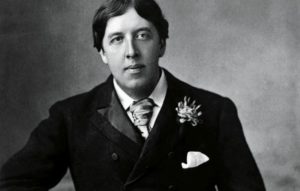
Oscar Wilde (full name: Oscar Fingal O’Flahertie Willis Wilde) was an acclaimed poet and playwright. Bom in Dublin, Wilde attended Trinity College, Dublin and Magdalen College, Oxford. Throughout the 1880s, Wilde experimented with various forms of writing and established himself in the literary and artistic circles in London. During the 1890s, he became one of London’s most acclaimed playwrights. His unmatched wit and flamboyant style set him apart from his contemporaries. Some of his most popular plays include, A Woman of No Importance, Lady Windermere’s Fan and The Importance of Being Earnest (this was his most popular play).

Wilde wrote only one novel, The Picture of Dorian Gray. When it was first published, the novel was not well received by critics. However, over the years, it has come to be regarded as a classic. Wilde also wrote short stories and essays. Wilde was an important figure in the movement called ‘Aestheticism’ and remained committed to its principles throughout his life. His unconventional perspective on life and style of writing made him one of the most well known names in English literature.

Author NameOscar Wilde
Born16 October 1854, Westland Row, Dublin, Ireland
Died30 November 1900, Paris, France
SpouseConstance Lloyd (m. 1884–1898)
MoviesWilde, Dorian Gray, An Ideal Husband, A Good Woman
The Happy Prince Summary by Oscar Wilde

The Happy Prince Summary in English

Standing high above a city is a statue of the Happy Prince. The beautiful statue has sapphire eyes, is covered all over with thin leaves of fine gold, and has a large ruby on the hilt of his sword.

One night, a swallow sets out to join his friends in Egypt and flies over the city. Tired from having flown all day, he wonders where he can rest for the night. He sees the statue of the Happy Prince and decides to rest between the statue’s feet. Happy with his beautiful place of rest, he prepares to sleep. Just then, a large drop of water falls on him. He looks up to the sky but sees that it is clear of rain clouds. However, drops of water continue to fall on him. The swallow looks up at the statue and realises that its eyes are full of tears. He is filled with pity.

The swallow asks the statue who he is and the statue says he is the Happy Prince. The swallow asks him why he is crying. The Prince says that when he was alive and had a human heart, he did not know what sorrow was because it was not allowed to enter his palace. He lived and died in happiness. After he died, his courtiers placed his statue high above the city from where he can witness all its ugliness and misery. Even though his heart is made of lead, he cannot help but weep.

The Happy Prince says that on a little street far away is a poor house. Through its window, he can see a woman seated at a table. Her hands are red, coarse and pricked all over by needles because she is a seamstress. She is embroidering flowers on a gown for the most beautiful of the queen’s maids of honour, to wear to the Court ball. In a comer is a bed upon which lies her little boy who is ill with fever. He asks his mother for oranges; but as she has nothing to give except river water, the boy is crying. He asks the swallow to take the ruby from his sword and give it to the woman.

The Happy Prince’s sad face moves the swallow and he agrees. He takes the ruby out of the sword and flies over the city, past the cathedral and the palace. He sees a beautiful girl come to balcony of the palace with her lover. The swallow hears her say that he hopes her gown with the embroidered flowers is ready in time for the ball. She remarks that seamstresses are lazy.

When the swallow arrives at the woman’s house, he finds that the boy is tossing in bed with fever and the woman has fallen asleep, exhausted. He places the ruby on the table beside the woman’s thimble and on his way out, fans the boy’s forehead with his wings. The boy feels better instantly and goes off to sleep. The swallow flies back to the Prince and remarks that he feels quite warm, in spite of the cold weather. The Prince says it is because he has done a good deed. The swallow then falls asleep.

The next day, the swallow goes to the river for a bath. Happy at the prospect of going to Egypt that night, he visits all of the city’s monuments. At moonrise, he goes back to the Prince and announces that he is leaving for Egypt. The Happy Prince tells the swallow that far away in the city, he sees a young man in a garret, leaning over desk covered with papers. There is a bunch of withered flowers in a glass by his desk. The man is trying to complete writing a play for the Director of the Theatre but he is too cold and hungry to write anymore. The swallow offers to stay one more night to help. The Prince asks the swallow to take one of his sapphire eyes from his statue to the man. The man can then sell the sapphires to the jeweller and buy some firewood to keep warm. The swallow is sad to pluck out the Prince’s eye, but does as he is told.

The swallow flies to the man’s house and enters it through a hole in the roof. The man is resting with his head in his hands and does not hear the bird. When the man looks up, he finds the sapphire between the withered violets. He thinks that some admirer has left it for him and is happy that now he can finish writing his play.

The next night, the Prince again asks the swallow to stay for the night. The swallow says that soon it will begin to snow and he needs to go to Egypt where the weather is warm. The Prince, however, tells him that in the square below is a little matchgirl whose matches have fallen into the gutter. She is crying because if she goes home without money, her father will beat her. He asks the swallow to give the girl his other sapphire eye so that her father does not beat her.

The swallow plucks out the sapphire and drops it into the girl’s hands. She goes home happily, thinking that she has found a piece of beautiful glass. The swallow returns to the Prince and says that as the Prince is now blind, he will stay with him always. The next day, the Prince asks the swallow to fly over the city and tell him what he sees. The swallow follows this command and sees the rich making merry in their homes while the poor suffer in the streets. Under the archway of a bridge, he sees two little boys lying in an embrace to keep warm. The watchman drives the boys away into the rain. When he tells the Prince of his findings, the Prince orders him to take off the gold leaves, one at a time, and give it to the poor. The swallow picks the leaves one by one till the Prince begins to look dull and grey. The poor children however, grow happy because they now have food to eat.

Then it begins to snow and after the snow, the frost arrives. Though the swallow feels colder and colder, he does not leave the Prince. Eventually, he realises that he will die soon. He musters strength to fly to the Prince’s shoulder to bid him goodbye and asks to kiss his hand. The Prince says he is glad the swallow is finally going to Egypt. He thanks the swallow for staying so long and asks him to kiss his lips, as he loves the swallow very much.

The swallow says that he is not going to Egypt but to the House of Death. He then kisses the Prince and falls down dead at his feet. At that moment, the sound of something breaking comes from the statue: his heart of lead has broken. The next morning, the Mayor and Town Councillors notice that the statue of the Happy Prince looks shabby. They notice that the jewels and gold have been stripped off and the statue looks like that of a beggar. They notice the dead bird at its feet and make a note to declare that birds should not be allowed to die there.

The statue of the Prince is taken down. The Art Professor remarks that without its beauty, the statue is no longer useful. The statue is melted in a furnace but the broken leaden heart does not melt. The workmen in the foundry throw it on the heap of dust where the dead swallow is also lying.

God in Heaven asks an angel to bring Him the two most precious things in the city. The angel brings him the broken lead heart and the dead bird. God is happy and says that the little bird will forever sing in His garden of Paradise; and in His city of gold, the Happy Prince will praise God.

The Happy Prince Title

The title is an ironical one, as it suggests that the story is about a Prince who is happy. However, the readers soon realise that the Prince is not a human, but a statue. Since the statue is placed at a high point, he can see all the misery and sadness in the city, which makes him sad.

The Happy Prince Setting

The story is a fairy-tale set in a fictitious kingdom in Europe. The statue is set on a high point overlooking the city, and most of the events described take place outdoors.

The Happy Prince Theme

The story is based on the theme of charity and bridging the gap between the haves and the have-nots. It dwells upon the. way the rich perceive life as compared to the poor. It also highlights the fact that humans often value unimportant things, while ignoring valuable things like charity and kindness.

The Happy Prince Message

The message of the story is to become more sensitive towards those who are less privileged than us. It emphasises how one can lessen the suffering of others and bring about equality by sharing what one has. It also reminds us that having a warm, giving heart is more important than having a beautiful appearance.

The Happy Prince Characters

The Prince: The happy prince is not a real human being, but a handsome statue that sits high above the city. It is beautifully decorated with a golden coat and sapphire eyes. There are rubies on the hilt of his sword and he is admired by all. However, despite his wonderful appearance, the statue is unhappy. As a human, he rarely cried and never had a care in the world, but as a statue, he has the perfect vantage point from which to observe all the sadness and misery in the city. He is no longer the self-centred boy he used to be. Despite having a lead heart as a statue, he feels sorry to see the ugliness of human life that he had been oblivious to as a human. He is very charitable and giving, happily donating every part of his statue that has any value, such as the gold leaf, rubies and sapphires, so that it can help people in need.

The Swallow: The swallow is a happy-go-lucky bird at the beginning of the story, whose only concern is the journey he is looking forward to. He is in love with a reed (a river plant) and is disappointed when the reed doesn’t agree to fly away with him. However, he is a kind bird, and seeing the statue’s distress, he offers to help. In the process, he becomes the link between the prince and the people of the land. He helps the prince by taking each valuable item that the prince tells him to, and quietly giving it to people in need. He selflessly helps the prince, ignoring his own plans to fly to warmer climes for winter. As a result, he loses his life in the cold.

The Happy Prince Summary Questions and Answers

Question 1.
Describe the statue of the Happy Prince.
Answer:
The statue stood high above the city on a tall column. He was gilded all over with thin leaves of fine gold with two bright sapphires for eyes. A large red ruby glowed on his sword hilt.

Question 2.
Did the swallow belong to the city? How can you tell? Where was it going?
Answer:
No, the swallow did not belong to the city, as it is written that it flew over the city on its way to Egypt.

Question 3.
Where did the bird decide to stay for the night? Why?
Answer:
The bird decided to stay near the statue of the prince, because it was located on a tall column and the bird felt he would get plenty of fresh air there.

Question 4.
Why did the bird think he had a ‘golden bedroom’?
Answer:
The bird alighted near the feel of the statue of the Happy Prince, which was gilded all over with thin leaves of fine gold. That is why he felt that he had got a ‘golden bedroom’ to sleep in.

Question 5.
Why was the bird not able to sleep peacefully that first night?
Answer:
Just as the bird was about to sleep, he was disturbed by three tear drops that fell from the eyes of the statue. When he saw the tears running down the cheeks of the statue, he looked so beautiful in the moonlight that the bird was filled with pity and could not sleep.

Question 6.
Why was the statue of the Happy Prince weeping?
Answer:
The statue of the Happy Prince was weeping because when he had been alive, he had not known any sorrow. But after his statue had been erected, he was able to see all the ugliness and misery of the city, and even though he now had a heart of lead, he could still feel the pain, which made him cry.

Question 7.
Who does the Prince ask the swallow to deliver the red ruby to?
Answer:
The Prince asked the swallow to deliver the ruby to a poor seamstress whose son was very ill. The child was asking his mother for oranges, but she had nothing to give him but water. Since the statue’s feet were fixed to the pedestal, he could not deliver it himself, so he asked the swallow to do so.

Question 8.
Why did the swallow agree to deliver the ruby even though he wanted to join his friends in Egypt?
Answer:
The Prince looked so sad that the little swallow felt sorry for him and agreed to stay one night and be his messenger.

Question 9.
What were the things that the swallow saw on his journey to deliver the ruby?
Answer:
He saw the cathedral tower, the palace, the river, and the ships before coming to the poor woman’s house.

Question 10.
What made the sick boy fall into a deep, restful sleep?
Answer:
When the bird delivered the ruby, he flew gently around the bed of the sick boy, fanning the boy’s forehead with his wings. This soothed the boy and he fell into a deep, restful sleep.