We have decided to create the most comprehensive English Summary that will help students with learning and understanding.
A Gift of Chappals Summary in English by Vasantha Surya
A Gift of Chappals Summary in English
Part I
One afternoon, Mridu went to her aunt Rukku Manni’s house. She went there to meet her cousins Lalli, Ravi and Meena. Ravi dragged her to the backyard. There inside a torn football lay a very small kitten, drinking milk. Meena said they had found the creature outside the gate that morning. But it was kept secret. Amma had a fear that Paati would go away if she knows about the cat in the house. Ravi had succeeded by tact in getting a little milk for the kitten. The children named it Mahendran.
It was a fine breed of cat. Ravi gave a detailed account of the cat’s family and relatives. He said the cat was the descendant of the Mahabalipuram Rishi-Cat. Meena and Mridu smiled at his cooked up story.
The cat was frightened to hear Ravi’s sound. He fled from his place. Lalli was learning to play the violin. She wasn’t doing well, although the music master was trying his best to make her learn.
Part II
Mridu went up to the window. She saw Lalli sitting with her violin. In front of her there was the bony music teacher. He had a mostly bald head. He was wearing a gold chain around his neck, and a diamond ring on his hand.
A beggar came at the gate. The mother told Ravi to send him away. She was chatting with Tapi. The beggar’s voice irritated her. She complained that he was coming there every day.
The beggar was already in the garden. He had spread a piece of cloth under the neem tree. He leant against the tree trunk, waiting for the alms. Ravi told him sternly to go away.
The beggar sat up and sighed. He told that he would go away after taking some rest. The tar had melted on the hot road and his bare feet had got blisters. The children got sympathetic towards him. Mridu asked Meena and Ravi if they had got an old pair of slippers in the house. Ravi went to search. Mridu noticed a pair of chappals in the verandah. These were shabby-looking but sturdy. He gave it to the old man to wear and asked him never again to come back. The beggar blessed the children. He pushed his feet into the slippers and left in a hurry.
The music-teacher searched for his chappals in the varandah. He said his slippers were brand new and expensive also. Rukku Manni came there with Paati. She rightly guessed that it was the mischief played by the children. She was upset and angiy.
She went indoors and brought Gopu Mama’s new chappals and gave them to the music-master. She apologised to the master on behalf of her son, Ravi. The music master’s eyes lit up with joy. He put them on and called children naughty monkeys. The mother didn’t like Ravi being called a monkey.
She went inside the house. She thanked God that Gopu Mama’s chappals were there. But she laughed to think how much upset would he be on his return. She declared that she would take all the blame on herself.
A Gift of Chappals Summary in Hindi
Part I
मृदु एक दिन मध्यान्ह में अपनी चाची रुक्कू मन्नी के घर गई। वह वहां अपने चचेरे भाई-बहनों लल्ली, रवि और मीना से मिलने गई। रवि खींचते हुए उसे घर के पिछवाड़े ले गया। वहाँ एक फटे फुटबाल के अन्दर एक बिल्ली का छोटा बच्चा बैठा दूध पी रहा था। मीना ने बताया कि यह बच्चा आज प्रातः ही उन्हें गेट के पास मिला था। पर इस बात को छिपाकर रखा गया है। अम्मा को डर है कि पाती को यदि घर में बिल्ली होने की जानकारी मिल गई तो वह चली जायेगी। रवि चालाकी से थोड़ा-सा दूध बिल्ले के लिये ले आया था। बच्चों ने उसका नाम महेन्द्रन रख दिया।
यह बिल्ला अच्छी नस्ल का था। रवि ने बिल्ले के परिवार तथा संबंधियों का विस्तृत ब्योरा दिया। उसने बताया कि बिल्ला महाबलीपुरम ऋषि बिल्ली परिवार का है। मीना और मृदु उसकी इस झूठी कहानी पर मुस्कराए।
बिल्ला रवि की आवाज सुनकर डर गया। वह अपने स्थान से भाग चला। लल्ली घर के अन्दर वायलिन का प्रशिक्षण ले रही थी। सीखने में उसे कठिनाई हो रही थी यद्यपि संगीत मास्टर उसे सिखाने का भरसक प्रयास कर रहा था।
Part II
मृदु खिड़की पर गई। उसने लल्ली को वायलिन के साथ बैठा देखा। लल्ली के सामने ही उसका पतला दुबला संगीत मास्टर बैठा था, उसका सिर काफी गंजा था। उसने गले में सोने की जंजीर और हाथ में हीरे की अंगूठी पहन रखी थी।
एक भिखारी गेट पर आया। माँ ने रवि को उसे भगा देने को कहा। वह तापी के साथ बातें कर रही थी। भिखारी की आवाज से उसे चिढ़ हो रही थी। उसने शिकायत की कि वह तो रोज ही आ जाता है।
भिखारी बगीचे में पहुँच गया था। उसने नीम वृक्ष के नीचे एक कपड़ा बिछा लिया। उसने वृक्ष के तने पर पीठ टिकाई, और भिक्षा पाने की प्रतीक्षा करने लगा। रवि ने उसे कठोर स्वर में चले जाने को कहा।
भिखारी बैठ गया। उसने कहा कि थोड़ी देर आराम करने के पश्चात् वह चला जाएगा। तपती सड़क पर बिछा तारकोल पिघल चला था और उसके नंगे पावों में छाले पड़ गये थे। बच्चों को उस पर दया आ गई। मृदु ने मीना और रवि से पूछा क्या घर में कोई पुरानी चप्पल नहीं हैं। रवि ने खोज शुरु की। मृदु ने बरामदे में एक जोड़ी चप्पल रखी देखी। वे पुरानी पर मजबूत दिखती थीं। उसने वे भिखारी को पहनने के लिये दे दी और उसे दोबारा न आने को बोल दिया। भिखारी ने बच्चों को आशीर्वाद दिया। उसने अपने पाँव उन चप्पलों में डाले तथा शीघ्रता से निकल गया।
संगीत मास्टर ने बरामदे में अपनी चप्पलें खोजीं। परन्तु, वे वहाँ पर नहीं थी। वह बोला उसकी चप्पलें बिल्कुल नई थी तथा महँगी भी।
वह घर के अन्दर गई और गोपू मामा की नयी चप्पलें ले आई। उसने अपने बेटे रवि की ओर से मास्टर से क्षमा माँग ली। संगीत मास्टर की आँखें खुशी से चमक गई। उसने चप्पलें पहनी और बच्चों को बन्दर कहा। माँ को रवि को बन्दर कहना बुरा लगा।
वह घर के अन्दर गई। उसने परमात्मा को धन्यवाद दिया कि गोपू मामा की चप्पलें वहां थीं। पर उसे यह सोचकर हँसी आ गई कि गोपू घर पर अपनी चप्पलें न पाकर आग-बबूला हो गया। माँ ने कहा कि सारा दोष वह अपने ऊपर ले लेगी।
We have decided to create the most comprehensive English Summary that will help students with learning and understanding.
Nine Gold Medals Poem Summary by David Roth
Nine Gold Medals Summary by David Roth About the Poet
David Lee Roth (1954) Is an American rock vocalist, poet, songwriter, actor and former radio personality. In 2007, he was inducted into the Rock and Roll Hall of Fame. Roth is best lead singer of the Southern California-based hard rock band Van Halen. He is also known as a successful solo artist, releasing numerous RIAA-certified Gold and Platinum records.
After more than two decades apart, Roth re-joined Van Halen in 2006 for a North American tour that became the highest grossing in the band’s history and one of the highest grossing of that year. In 2012, Roth and Van Halen released the critically successful comeback album, A Different Kind of Truth.
Nine Gold Medals Summary About the Poem
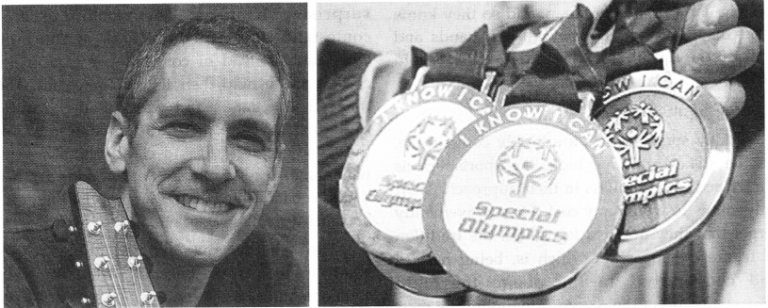
Nine Gold Poems is poem that was primarily written as a song in the immensely popular ‘Neo folk’ genre. It is one of the eight songs from his album, titled Digging Through My Closet, which was released in 1994. It captures an amazing moment at the Special Olympics, reflecting the great significance of human values in the highly competitive arena of international sports. It touches upon what accounts for the spirit of sportsmanship, which seems to be glaringly missing today in many forms of the game that are played across the globe.
Nine Gold Medals Summary of the Poem
Of all the events in Olympics, the hundred-metre race is the most prestigious. The athlete, who wins it, is remembered as the fastest man in the world. So, for Special Olympics mentioned in the poem this is the final event, hence the most prestigious. The hundred-yard race is about to begin.
Everyone hopes to win a medal. The spectators are as excited as the contestants. They cheer and encourage the contestants. The athletes take position at the starting blocks. They begin to run immediately after the starting pistol is fired. However, one of them is unable to run and falls on the track.
Nine Gold Medals Poem Summary
He cries out with the pain of disappointment. He has trained hard but does not get the opportunity to show his talent. All his dreams of winning the medal are broken and destroyed.
When the remaining eight contestants see him fall, they, instead of continuing the race, come to the help of their fellow contestant. All the athletes have dreamt of winning the medal. However, they readily forget their dream and come forward to help the boy to his feet.
Then, all the nine contestants walk hand-in-hand to the finish line. The audience is so moved by the exemplary behaviour of the contestants that it stands up and clap in admiration and awe. There are now nine winners, instead of one, and each has been given a gold
medal. All the contestants display empathy turning the Special Olympics into a really ‘special’ one. By awarding gold medals to all nine contestants, the authorities honour their display of empathy, helpful nature and human values.
Nine Gold Medals Summary Critical Analysis
The poem “Nine Gold Medals”, written by the American poet David Lee Roth, consists of 8 stanzas, each containing 4 lines. The poet has employed the unrhymed free verse form for this poetic piece. This is in sync with the form and structure of poetry written these days. The setting or the scene of this poem is that of ‘Special Olympics’. In these Olympics, differently-abled persons, who have some problem/s in a particular part of the body, participate in various sports events. The contestants put in a lot of preparation and practice.
Olympics and Paralympics are held once every four years. Athletes from all over the world train hard to participate in this event. Winning a medal in these games is the ultimate goal of every athlete of the world. In this poem, which is aptly titled ‘Nine Gold Medals’, the poet tells us that success at such top levels of sports competition is not all about winning medals only.
Instead, it’s more about the display of humanitarian spirit and the fundamental human values of empathy, love, compassion and cooperation. Commitment to these values is the hallmark of true sportsmanship. The poem brilliantly presents the idea of empathy and through the event described here, tries to reinforce the significance of human values suggesting how they are as important as the spirit of competition.
The poem presents the situation of a race, where the contestants leave aside their desire to win the medal to help a smaller and weaker contestant. They all go hand-in-hand to the finishing line. The message conveyed by this poem is loud and clear. In order to enhance the quality of our life we need to develop empathy. Empathy is essentially a person’s capacity to understand another person’s experience from his/her point of view.
It can also be regarded as the ability to understand and accept others who are different from us. It helps us to appreciate what the other person is going through and to offer emotional support at the time of need. Empathy works wonders when applied to relationships – our family, our friends or colleagues.
It encourages positive behaviour towards people who are in need. Not only does empathy help us to resolve conflicts but it also enables us to find solutions to problems. In the process we end up making decisions to benefit us without hurting others.
In a nutshell, empathy can be considered to be one’s ability to ‘put oneself in another’s shoes’. That is exactly what the eight contestants have done. One look at the fallen contestant has forced them to think ‘what would I have felt if I had fallen?’ and they know exactly what they have to do. The poem also shows that empathetic behaviour is applauded by all.
Nine Gold Medals Summary Word-Meanings
athletes – persons who are trained in sports
building up – preparing
spectator – person who watches at a show, game, or other event
We have decided to create the most comprehensive English Summary that will help students with learning and understanding.
Three Questions Summary in English by Leo Tolstoy
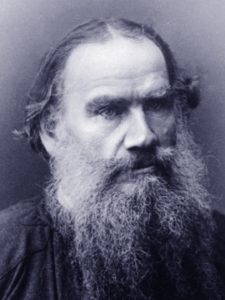
Three Questions by Leo Tolstoy About the Author
Author Name
Leo Tolstoy
Born
9 September 1828, Yasnaya Polyana, Yasnaya Polyana, Russia
Died
20 November 1910, Lev Tolstoy, Russia
Short stories
The Prisoner of the Caucasus
Movies
Anna Karenina, War, and Peace
Three Questions Summary in English by Leo Tolstoy
Three Questions Summary in English
Part I
A king once thought that he would never fail if he knew three things. One, what the right time was to begin something. Two, which people he should take advice from. Three, how to decide what the most important thing to do was.
He sent messengers throughout his kingdom. He promised to give a reward of a large sum to the person who answered his three questions.
Many wise men tried their luck. They gave a number of answers. One said that the king should go by a timetable. Another said that the king should do whatever seemed him necessary at the moment. The third suggested that the king should consult wise men or magicians.
Answering the second question, they gave top importance to his councillors, or to priests or to doctors or to soldiers.
In reply to the third question, the wise men gave importance to science or fighting or religious worship.
The king was not satisfied. He went to a hermit in the jungle alone. There he saw the old and weak hermit digging the ground. The king asked his questions but got no answer. Then he took the spade from the hermit and began to work in his place. Several hours passed. It was evening, so the king stopped digging the beds. The king was ready to take leave from the hermit. Just then the hermit told that someone was running to wards them.
Part II
The king saw a bearded man running towards them. His hands were pressed against his stomach from which blood was oozing. As he reached the king, he fainted and fell to the ground. He had a large wound in his stomach.
The king washed the wound and compressed it with his handkerchief. At last the bleeding stopped. The man felt better and asked for water to drink. The king gave him fresh water.
The sun had set by then. The king and the hermit carried the wounded man into the hut and laid him on the bed. The tired king also fell asleep. When he awoke, the bearded man asked to forgive him.
The man was, in fact, the king’s enemy. He had followed the king to take revenge on him . He had vowed to kill him. The king had once put his brother to death. The man hid himself in a bush on the way to the jungle. He came out of his hiding place when the king did not return for long. He got wounded by king’s bodyguards. He would
have died if the king had not dressed his wound. He felt grateful to the king who had saved his life. He promised to serve the king as a faithful servant.
The king was happy that he had made peace with his enemy. He forgave the man and promised to give back his property.
The king then went up to the hermit. He again asked for answers to his three questions. The hermit explained that by digging the beds for him, the king had escaped attack. So the most important time was when he was digging the beds. The hermit himself was the most important person. So to do him good was the king’s most important business.
The hermit further told the king that the most important person for him was the person with him at a particular moment. The most important business was to help that person. And the most important time was ‘now’ that is, the present moment.
Three Questions Summary in Hindi
Part I
किसी समय एक राजा के मन में विचार आया कि यदि उसे तीन प्रश्नों के उत्तर मिल जायें तो वह कभी भी असफल नहीं होगा। पहला, किसी काम को करने का सही समय कौन-सा है। दूसरा, किन लोगों की सलाह उसे लेनी चाहिये। तीसरा, सर्वाधिक महत्त्वपूर्ण कार्य कौन-सा है इसका निर्णय किस प्रकार से किया जाये।
उसने पूरे राज्य में अपने दूत भेजे। उसने तीनों प्रश्नों का सही उत्तर देने वाले को बड़ा इनाम देने की भी घोषणा कर दी।
अनेक बुद्धिमान व्यक्तियों ने अपनी किस्मत आजमाई। उन्होंने अनेक उत्तर दिये। एक ने कहा कि राजा को एक समय सारिणी बनाकर काम करना चाहिए। दूसरा बोला कि राजा वही करे जो उसे उस समय आवश्यक दिखे। तीसरे ने सुझाव दिया कि राजा को चाहिये कि ज्ञानियों अथवा जादूगरों की सलाह ले।
दूसरे प्रश्न के उत्तर में उन लोगों ने मंत्री परिषद अथवा पुजारियों अथवा डाक्टरों अथवा सैनिकों को प्राथमिकता दी। तीसरे प्रश्न के उत्तर में बुद्धिमान लोगों ने विज्ञान, युद्ध अथवा धार्मिक कार्यों को महत्त्व दिया।
राजा संतुष्ट नहीं हुआ। वह अकेले ही वन में रह रहे एक संन्यासी के पास चला गया। वहाँ उसने वृद्ध और दुर्बल संन्यासी को जमीन खोदते पाया। राजा ने उससे अपने प्रश्न पूछे पर उसे कोई उत्तर नहीं मिला। फिर उसने संन्यासी से कुदाल ले लिया तथा उसके स्थान पर काम करने लगा। कई घंटे बीत गये। शाम हो गई, इसलिये राजा ने क्यारियाँ खोदना बन्द कर दिया। राजा संन्यासी से विदा लेने वाला था। तभी संन्यासी ने कहा कि कोई आदमी भागता हुआ उनकी ओर आ रहा था।
Part II
राजा ने एक दाढ़ीवाले व्यक्ति को अपनी ओर भागकर आते देखा। उसने अपने हाथों से पेट को दबा रखा था। वहाँ से खून निकल रहा था। जैसे ही वह राजा के निकट पहुँचा, बेहोश होकर गिर पड़ा। उसके पेट में गहरा घाव था।
राजा ने उसके घाव को धोया और ऊपर से अपना रुमाल लपेट दिया। खून बहना थम गया। व्यक्ति की दशा में सुधार आ गया और उसने पीने के लिए पानी माँगा। राजा ने उसे ताजा जल लाकर दिया।
उस समय तक सूर्य अस्त हो गया था। राजा तथा संन्यासी उस व्यक्ति को उठाकर झोंपड़ी में अन्दर ले गये तथा उसे बिस्तर पर लिटा दिया। थके हुऐ राजा को भी नींद आ गई। जब वह जगा उस दाढ़ी वाले व्यक्ति ने उससे क्षमा याचना की।
वह व्यक्ति वास्तव में राजा का शत्रु था। वह राजा से बदला लेने के लिए उसका पीछा कर रहा था। उसने राजा की हत्या करने की कसम खाई थी। राजा ने कभी उसके भाई को मृत्युदण्ड दे दिया था। उस व्यक्ति ने जंगल के रास्ते में अपने को झाड़ी में छिपा रखा था। जब राजा को लौटने में विलम्ब हो गया, व्यक्ति अपने छिपने के स्थान से बाहर आ गया। तभी राजा के अंगरक्षकों ने उसे घायल कर दिया। यदि राजा ने उसके घाव को धोकर पट्टी न बाँधी होती तो वह मर गया होता। व्यक्ति राजा के प्रति कृतज्ञ हो गया जिसने उसके प्राण बचाये थे। उसने एक स्वामिभक्त सेवक की भाँति राजा की सेवा करने का वचन दिया।
राजा भी खुश था कि उसने अपने एक शत्रु से मैत्री कर ली थी। उसने उस व्यक्ति को क्षमा कर दिया तथा उसकी सम्पत्ति भी उसे लौटा देने का वचन दे दिया।
फिर राजा संन्यासी के पास गया। उसने उससे फिर अपने तीन प्रश्नों के उत्तर माँगे। संन्यासी ने बताया कि क्यारियाँ खोदकर राजा अपने ऊपर होने वाले हमले से बचा लिया। इस कारण क्यारियाँ खोदने का वक्त उसके लिये सर्वाधिक महत्त्वपूर्ण था। संन्यासी स्वयं ही उसके लिए सर्वाधिक महत्त्वपूर्ण व्यक्ति था। उसकी सहायता करना ही उसके लिए सर्वाधिक महत्त्वपूर्ण कार्य था।
संन्यासी ने आगे राजा को बताया कि सर्वाधिक महत्त्वपूर्ण व्यक्ति वह होता है जो उस के पास हो, उसकी मदद करना सर्वाधिक महत्त्वपूर्ण काम है। और सर्वाधिक महत्त्वपूर्ण समय होता है, ‘अभी’ यानी वर्तमान क्षण।
We have decided to create the most comprehensive English Summary that will help students with learning and understanding.
Abou Ben Adhem Poem Summary by Leigh Hunt
Abou Ben Adhem Summary by Leigh Hunt About the Poet
James Henry Leigh Hunt (1784-1859), popularly known as Leigh Hunt, was an English poet, essayist, journalist, editor, writer and critic, who remained a prominent figure of the Romantic Movement in England. He was the editor of influential journals like ‘The Reflector’, and ‘The Indicator’, at a time when periodicals were culturally quite effective and on the roll. He wrote poetry in varied forms that embodied satires, epistles, narrative poems, short lyrics, odes, sonnets and poetic dramas. His works were noted for their intense and expressive descriptions along with rhythmic and soulful qualities.
He was an enthusiast of nature and surroundings, a master of temperament, which reflected in many of his works that infuse a feeling of vivaciousness and joy. As a boy, Hunt was an admirer of Thomas Grey and William Collins and tried imitating them in many ways. Since he had difficulties in speech, which was cured later, he could not make it to the university. He made a mark in the English literature with the publication of Story of Rimini in 1816.
The themes of most of his poems were patriotism, love for nature and friendship. He translated poems of many foreign languages including French, Roman, Greek and Italian. He inspired poets like Walter Savage Landor, Charles Dickens and Charles Lamb and introduced many poets like Alfred Tennyson, Percy Bysshe Shelley, John Keats and Robert Browning.
His know-how of Italian and French versification is palpable from his two best known poems, Jenny Kiss’d Me and Abou Ben Adhem. Two of his remarkable play productions are A Legend of Florence and Lovers’ Amazements, while The Story of Rimini and Abou Ben Adhem are regarded as his major poems.
Abou Ben Adhem Summary About the Poem
“Abou Ben Adhem” is a poem written by Leigh Hunt, one of the 19th century English poets. The poem was first published in 1838, as one of the pieces in a three-volume entitled The Book of Gems: the Poets and Artists of Great Britain, edited by Samuel Carter Hall. Based on a story in a French book, Bibliotheque Orientale, by Barthelemy d’Herbelot de Molainville (1625 – 1695), the poem tells a little story about the importance of loving one’s fellow human beings.
The story is based on the life of Abou Ben Adhem, a Muslim Sufi mystic from Persia who was venerated as a saint after his death (circa AD 777). Much like the famous Roman Catholic ascetic, Saint Francis of Assisi, Ibrahim Ibn Adham or Abou Ben Adhem gave up a life of luxury in exchange for a simple life, devoted to his fellow man and to God.
Abou Ben Adhem Summary of the Poem
The poem “Abou Ben Adhem” depicts the heavenly feelings of Abou Adhem, a strong believer in God who believes that not only loving God, but also loving people who believe in God is great.
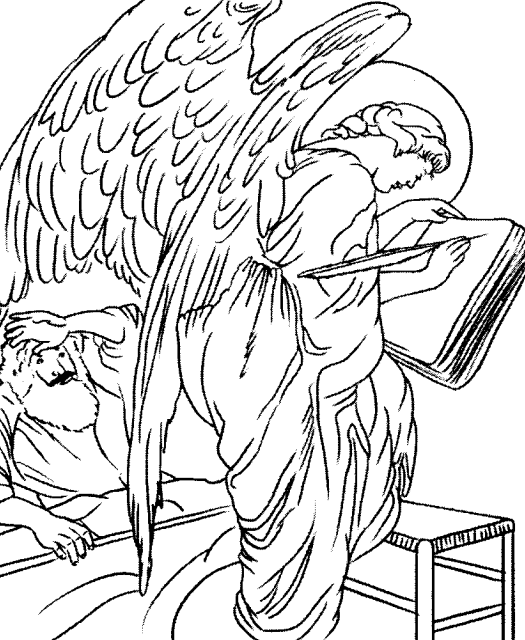
The poem describes an event in the life of Adhem as when one night, he woke up from his deep peaceful sleep and saw a beautiful angel, in the moonlight (that lit his room), writing something in a golden book. He looked at the angel with wonder. The peaceful ambience of the room encouraged him to question the angel, “what writest thou?” i.e., what was he writing.
Abou Ben Adhem Poem Summary
The angel raised its head and with sweetness answered Adhem that it was writing the names of all those who loved God. On hearing this, Abou enquired about his name in the list. But the angel’s reply was negative which made Abou a little sad but still he cheerfully requested the angel to write his name in the list of people who loved God’s fellowmen.
The angel wrote something in the book and disappeared. The next night the angel appeared again with a great bright light that roused Adhem from his sleep. It showed Adhem the names of those people whom God has blessed and to great surprise, Abou’s name was at the top of the list.
Abou Ben Adhem Summary Critical Analysis
The poem ‘Abou Ben Adhem’ is rooted in a purely spiritual context, reflecting some of the fundamental human values and ideals cherished by any religious system. It consists of 18 lines including 9 rhymed couplets. It is interesting to note that the poetic device of rhymed couplet had been earlier used by Augustan poets, particularly Alexander Pope about a century.
However, the form of poetic expression called blank verse had become so popular in Hunt’s time that none of his best-known contemporaries preferred to use rhymed couplets. Hunt might have felt that this form of poetic expression would communicate the ideas of love, peace and happiness around which this poem revolves, more intelligibly and with greater ease.
The poem talks about the religious escapades of a man known as “Adhem”. He sees an angel one night in his room but he remains unruffled. He refused to be scared since he had firm belief in God. For him, seeing an angel is a happy thing. He is rather interested in knowing what the angel is writing down. He gets the information that the angel is drafting a list of people who love God.
He therefore strives to know whether his name is also included. He gets the information that his name is not in the list but also refuses to be sad or dejected because of that. He goes on to request the angel to write his name in the list of people who love God’s fellowmen. Later one night, the angel comes back with a list that has Adhem’s name at the very top.
In all, Abou Ben Adhem is simply a narrative poem. It tells the story of the man Adhem and his encounter with an angel. The poem sends a message about the power of love, faith and prayer. It shows how some people pray to God. Some pray to love God while others pray in love with their fellowmen. In any case, the love of fellowmen attracts God’s blessing.
In this poem, the poet uses the language of the poem to convey the idea that loving your fellow man is the way one loves the Lord and is what allows an individual to become truly alive. He uses the simile “a lily in bloom” to convey flowering of the human spirit that occurs when men look beyond themselves. The poem’s message explains- the best way to love God is to love others, which brings God’s blessing. The “book of gold” symbolizes the richness a man encounters when he loves the Lord, a richness of spirit that transcends this life.
Abou Ben Adhem Summary Word-Meanings
increase – multiply or grow in number
bloom – mature stage of flower; blossoming
exceeding – a large quantity of something, more than what is commonly perceived
bold – courageous; fearless
presence – reference to the angel;
heerly – gladly; delightfully; cheerfully
vanished – disappeared
wakening light – bright light that aroused Adhem from sleep
We have decided to create the most comprehensive English Summary that will help students with learning and understanding.
The Patriot Poem Summary by Robert Browning
The Patriot Summary by Robert Browning About the Poet
Robert Browning (1812-1889) was one of the most outstanding poetic geniuses from the Victorian Era, the most prolific of all ages in the literary history of England. As a poet, his oeuvre primarily rests on his unique style of expression and mastery over the use of language to deal with an array of unusual subjects, and the immaculate ability to combine the elements of drama with poetry. His sense of psychology precedes Freud, and his refusal to commit to any prevailing worldview marks him as a precursor to modernist thought.
Though he accomplished himself as a writer, scholar and musician early in life, he developed a true passion for poetry when he was introduced to the work of P.B. Shelley. From Shelley, Browning developed the Romantic ideal, which sought to find transcendence through exploration of the individual’s sensibility. Browning’s early life and work was largely defined by this sensibility.
His first published work, Pauline, was a remarkable success in 1833. But his subsequent publication, a long and complex poem titled Sordello, was a failure. Critics of his time labelled him difficult and obscure. Between 1841 and 1846, in a series of pamphlets under the general title of Bells and Pomegranates, he published seven plays in verse, including Pippa Passes, A Blot in the ’Scutcheon, and Luria.
However, he was beginning to establish the dramatic monologue form that would ensure his legacy. This form uses a narrator, usually of dubious morality, who addresses someone in a high-stakes situation. His most famous works were written in this form, including- Porphyria’s Lover and My Last Duchess. These works helped cement his interest in psychological complexity and the human tendency to constantly shift perspectives and opinions.
In 1845, he fell in love with poet Elizabeth Barrett. Subsequently, they eloped in order to marry. They lived a happy life together, mostly in Italy. In 1855, Browning published a collection called Men and Women, containing most of his best known poems. After Elizabeth died in 1861, Browning moved back to London, where he would finally achieve the success that had long eluded him.
He published other collections like Dramatis Personae, but it was his long work The Ring and the Book that finally made him famous. His subsequent poetry continued to expand his fame in later years. At the time Browning died in 1889, he was perhaps the most famous poet in England next to William Wordsworth.
The Patriot Summary About The Poem
‘The Patriot’ is one of the best-known poems by the 19th century English poet Robert Browning. It is one of those pieces for which Browning adopted a new poetic device called ‘dramatic monologue’. As such, the poem revolves around the narrator who is talking to himself in a ‘dramatic’ way. His monologue reveals the story of a man who was once idolised by people as a great hero, but was subsequently misunderstood and rejected by the latter.
Today, he is going to be executed in front of the public, for a crime which he says he has not committed. The tragic tone of his monologue ends on a positive note, when he expresses hope that when he reaches heaven after his death, God will save him from the public’s misunderstood views.
Another striking feature of this poem lies in its deep political underpinnings suggesting a situation that resembles the fall of many leaders, who are adored by public in the beginning but misunderstood and eventually disgraced due to the fickleness of public opinion. In all, the sensitive and empathetic treatment of the narrator’s situation; and the poet’s brilliance as a master of poetic craft make this poem a remarkable one.
The Patriot Summary of the poem
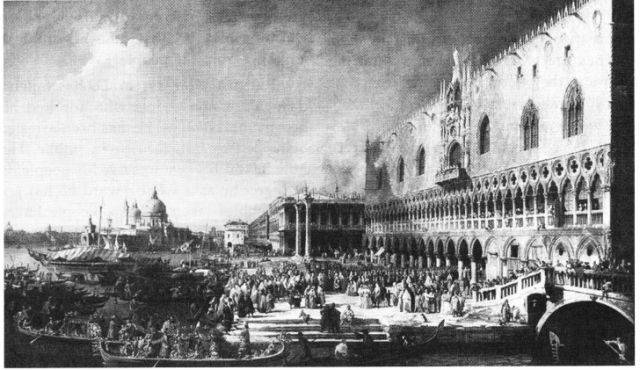
‘The Patriot’ is a dramatic verse that deals with the fickleness of public opinion and hero-worship. The speaker of the poem is a patriot. He thinks of his glorio.us past. A year ago he was given a grand welcome on his arrival to the town. People had thrown roses and myrtle in his path. The church-spires were decorated with bright flags. The house-roofs were full of people who wanted to have a look at him. Bells rang to announce the patriot’s arrival. The frenzy and madness exceeded all limits. People were even ready to catch the sun for him.
The Patriot Poem Summary
But everything has changed now. The patriot is being taken to the scaffold for all his ‘misdeeds’. There is nobody on the house-tops now. Everyone knows that today, the best of the sights is at the foot of the scaffold. He is going in the rain with his wrists tied behind. People are throwing stones at him and his forehead is bleeding. What an ill-fate to a man who spent all his life for his countrymen!
Even in the midst of tragedy, the poem ends quite optimistically. Death is not the end of everything. The patriot hopes that since he did not receive his reward in this world, he will be rewarded in the other world. He feels safe in the hands of God. Thus the poem also becomes an expression of Browning’s optimistic philosophy of life. “God is in His heaven and all is well with the world.”
The Patriot Summary Critical Analysis
“The Patriot” is a poem comprising 6 stanzas. Each stanza consists of 5 lines and its rhyming pattern is ababa. It is a dramatic monologue. Dramatic monologue is a literary device in which a character freely gives vent to his feelings in front of the audience in order to reveal the inner working of his mind.
As such, the hero of this interesting but tragic poem talks to the audience aloud and tells us that how he was acclaimed at one stage and put to a tragic end at another. Symbolically, the poem has unmistakable political overtones as the major theme of it seems to be the rise and fall of leaders in the contemporary politics.
The first stanza is an elaborate description of how the poet is welcomed back with pomp and ceremony by all the townspeople. His path is laden with roses and myrtles, which signify love, respect and honour being showered on the patriot by the residents of the town who have clambered onto their roofs to get a glimpse of the patriot and welcome him home and showcase their gratuity.
This creates an imagery of the house itself moving and swaying with the weight and number of people. Even the church spires were decorated with fiery coloured flags. This gives the reader an idea of the enormity of the celebrations. In the last line the poet discloses to the reader that these events occurred on this date, exactly a year ago.
In the second stanza, the narrator says how the ringing of the church bells infected the air and it seemed to be echoing the celebratory noise. The walls of the city, which were already on the verge of erosion, due to time, reflected the impact of the din created by the crowd. It seemed to conduct tremors. The patriot here is telling the people that how he doesn’t want all the cheers and applause, but wants the people to fetch the sun from the skies for him. He wants the power, glory, admiration and honour. He wants to live in their memories as an immortal hero.
Here a side of the patriot is shown that searches, not, for momentary praise, but for everlasting recognition and glory. He doesn’t want extravagant celebrations that can die down with time. He is looking for something more permanent. For a while therefore, he imagines asking people to fetch him the sun, a symbol of immortality, power, honour and glory. The presumed answer of the crowd is reflective of their frivolous nature.
They would immediately ask the patriot what more did he require. This indicates that though people who had assembled to welcome him were zealous and passionate, they lacked a high degree of sensibility. The way they are expected to react to their hero’s demand only suggests their uncritical inclination towards hero worship.
The third stanza acts as a conjunction for the transition from the past to . the present. The patriot says that despite him asking the townspeople to get him the sun, in the end it was he who leaped for it and got it for the people, who he refers to as his beloved friends. This act that he does is such in nature that had he left it undone, no other man could have accomplished it. This stanza has a tone of regret.
This can be deciphered by the use of “Alack!” or Alas. Also, the last two lines indicate towards this as the patriot mourns about how his deed has been repaid by the people. His “harvest” is what he has reaped, whereas what he had sown was bringing glory, power and honour to the people. The first two stanzas narrate the incidents of a year back, when the patriot was given celebrity status. This stanza acts as a synopsis to the current events.
In the fourth stanza, the speaker says that there are no more people on the roof tops, trying to catch a glimpse of the patriot. Only a few cripples can be seen at the windows. The patriot takes up a sarcastic tone at this point and says that this is because the best sight is at the gate of the gallows. In this stanza, a contrast is drawn between the time when the roof tops were heaving with people, celebrating the patriot’s deeds, and the current scenario where the people are assembled, but near the gallows.
Only the ones who cannot travel to the spot of execution, the ones who are crippled, are staring outside their windows to get a look at the patriot. The patriot’s anguish is seen when he taunts about the townspeople, saying they will be found, not on the roofs, but on the site of the execution, or better still, at the foot of the gallows. This stanza is suggestive of the patriot’s fate that he is being taken to be executed.
In the fifth stanza, the poet has employed the sad imagery of the patriot walking in the rain, heading towards the gallows. His wrists are tied tightly behind his back with a rope that cuts through his skin. He can feel blood trickling down his forehead, but he cannot know for sure as his hands are bound, so he can’t touch and feel. His cuts are because of the stones being flung at him by anybody and everybody. The picture being projected in this stanza is a very pitiable one as it is in direct contrast with the imagery of the first and the second stanza.
The patriot provides an ambiguous explanation for this transition, saying he is being punished for the misdeeds that he has committed within this one year. Despite the fact that no rigid and stable details have been given of the patriot’s act, it can be inferred that most probably he has indulged in acts of treachery, betrayal or any such unpatriotic act. This conclusion can be reached keeping the title of the poem in mind. The main gist of this stanza is the description of the poet’s walk of shame.
The sixth and concluding stanza of the poem begins with the patriot declaring how he is leaving, the same way that he entered. He is walking towards his death through the same streets on which he had entered the town and was welcomed as a celebrity, a hero. Even the most important, the most loved people have lost their glamour and glory. The most triumphant have also fallen. The patriot’s religious beliefs have been reflected and his belief in afterlife has been showcased when he mentions how he will be received by God. If God might ask him, now that he has been paid for his deeds by the world, what more does he owe to God. The patriot’s reply to this has shades of faith and optimism. He replies saying that his real repayment will be done by God.
He is placing his trust in God as he knows that he has committed no moral wrongs and the almighty is always just and fair. Hence, he is safe with God as he won’t have to face anymore undeserving punishments and will be truly and justly rewarded for his acts or deeds. In all, the poem is a superb example of current political upheaval and changed public opinion. The writer wants to suggest that nothing remains the same in the world politics. It is a world of self-interest and selfish people who, for individual benefits, may go against the common good of the country.
The Patriot Summary Word-Meanings
myrtle – a decorative flower
heave – drag, pull
sway – swing, bend
spires – church towers
repel – keep away
yonder – at some distance in the direction indicated; over there