Animal Farm Chapter 4 Summary

We have decided to create the most comprehensive English Summary that will help students with learning and understanding.

Animal Farm Chapter 4 Summary

The news of Animal Farm Rebellion has spread to the surrounding country. Snowball and Napoleon are sending pigeons to the neighbouring farms and beyond, to tell the animals about the rebellion, and to teach them the tune of “Beasts of England”. Mr. Jones had spent a lot of time at the Red Lion complaining to everyone about the “Monstrous injustice he had suffered from a pack of good-for-nothing animals.” The owners of the two adjoining farms, Foxwood and Mr. Pilkington, started spreading rumours about the Animal Farms that, animals there practised cannibalism and tortured one another with red horseshoes.

These stories were never fully believed and caused a wave of rebelliousness throughout the countryside. The tune and words of “Beasts of England” were heard everywhere and started spreading at a remarkable speed. Early one day in October, a flight of pigeons came and gave news that Jones, all his men, and half a dozen men from the neighbouring farms, had entered the five barred gate and were carrying sticks and Jones was carrying gun in his hand. They had come to recapture the farm. The animals, however were well prepared. Snowball had studied an old book of Julius Caesar and had a strategy in his mind.

Even though Jones was armed with a gun, the humans were no match for the forces of the Animal Farm. Jones was able to kill one of the sheep but the humans were brutally beaten up and fled. Boxer had nearly killed a man but it was later found out that he was merely stunned and left the place in their absence. After the war, Mollie was found missing and everyone feared that the men might have harmed her in some way. But in the end, they found her hiding in the stall with her head buried among the hay in the manger. She fled the battle as soon as the gun
went off.

The animals assembled with the wildest excitement to celebrate their victory. The flag is raised, “Beasts of England” is sung.. A medal for “Animal Hero First class” is created and awarded to Snowball. And a medal for “Animal Hero, Second Class” is created, and awarded to a sheep that died when Jones fired his gun. The dead sheep was given a solemn funeral. After much discussion the battle was named as the “Battle of the Cowshed”, and it was decided that Jones’ gun should be placed at the bottom of the flagstaff, to be fired twice a year, one on the anniversary of the Battle of Cowshed and other on the anniversary of the Rebellion.

Animal Farm Chapter 4 Summary Word Meanings:

  • Cannibalism – The practice of eating the flesh of one’s own species
  • Flogging – Beating someone with a whip or stick as a punishment
  • Elm – A tall deciduous tree which typically has rough leaves and propagates from root suckers
  • Ignominious – Deserving or causing public disgrace or shame
  • Gored – Pierce or stab with a horn or tusk
  • Hawthorn – A thorny shrub or tree of the rose family, with white or red blossom and small red fruits
  • Impromptu – Done without being planned or rehearsed
  • Posthumously – After the death of the originator

Animal Farm Chapter 4 Summary Questions and Answers

Question 1.
Read the extract given below and answer the questions that follow.
Most of this time Mr. Jones had spent sitting in the taproom of the Red Lion at Willingdon, complaining to anyone who would listen of the monstrous injustice he had suffered at being turned out of his property by a pack of good-for- nothing animals.
(i) What is the ‘monstrous injustice’ that Jones is talking about?
(ii) How had the ‘monstrous injustice’ occurred?
(iii) How did the other farmers react to the injustice done to Jones ?
(iv) What were Snowball and Napoleon doing to spread the injustice ?
(v) After this extract, two of the owners of the adjoining farms have been mentioned. Describe both of them in your own words.
Answer:
(i) Jones was the owner of the Manor Farm. However, he did not care much for his animals and one day, the animals rebelled against him. He was thrown out of his own farm and then Animal Farm was established. This was the ‘monstrous injustice’ that Jones was talking about.

(ii) Jones used to be a good farmer once, but lately, he had fallen for ill ways. He did not care for his farm or the animals. The animals were starving. One day, he got too drunk and slept without feeding them. The animals were unable to bear the hunger and in unison, broke away from their sheds and chased away Jones from the farm.

(iii) The other farmers sympathised in principle, but they did not at first give him much help. At heart, each of them was secretly wondering whether he could not somehow turn Jones’ misfortune to his own advantage.

(iv) Every day Snowball and Napoleon sent out flights of pigeons whose instructions were to mingle with the animals on neighbouring farms, tell them the story of the Rebellion, and teach them the tune of “Beasts of England.”

(v) The owner of Foxwood was Mr. Pilkington, an easy-going gentleman farmer who spent most of his time in fishing or hunting according to the season. The other farm was called ‘Pinchfield’. Its owner was Mr. Frederick, a tough, shrewd man, perpetually involved in lawsuits and with a name for driving hard bargains.

Question 2.
Read the extract given below and answer the questions that follow :
“This had long been expected, and all preparations had been made. Snowball who had studied an old book of Julius Caesar’s campaigns which he had found in the farm – house was in charge of the defensive operations.”
(i) What had they been long expecting?
(ii) What were the preparations made for “this?
(iii) Who was responsible for the defence options ?
(iv) Did they finally succeed in “this”?
(v) What were the important changes which took place after “this” had been accomplished?
Answer:
(i) Jones attempt of recapturing the Manor Farm was long expected by the animals on Animal Farm.

(ii) Meanwhile, Snowball had studied an old book of Julius Caesar’s campaigns and made a strategy against Jones recapturing the farm.

(iii) Snowball was in charge for the defensive operations.

(iv) Yes, all the animals finally succeeded in driving Jones and all his men out of the Animal Farm.

(v) After “this’ had been accomplished, the Manor Farm totally changed into Animal Farm. Their dream came true and they proved themselves more powerful than men. They managed the farm all by themselves and become powerful monsters themselves.

Question 3.
Read the extract given below and answer the questions that follow.
This had long been expected, and all preparations had been made. Snowball, who had studied an old book of Julius Caesars campaigns which he had found in the farmhouse, was in charge of the defensive operations. He gave his order quickly, and in a couple of minutes every animal was at his post.
(i) What had long been expected ?
(ii) Who was Snowball ?
(iii) What was the outcome of ‘this’ ?
(iv) Which farm is being mentioned here ? To whom did it belong ?
(v) Just after this extract, what was the first thing that Snowball does ?
Answer:
(i) It had long been expected that Jones would attack the farm in the near future. Hence, Snowball was well prepared for it in advance.

(ii) Snowball was one of the cleverest pigs, who won the loyalty of the other animals by his decision for the betterment of the farm. He failed to see the sinister thoughts of Napoleon who easily chased him away from the first.

(iii) The outcome of the attack by Jones and his men was that, they were all beaten up and chased away from the farm. Although, the animals had won the battle, they had lost one of the sheeps.

(iv) The farm that is being mentioned here is the Animal Farm. Initially, it was named as the Manor Farm and had belonged to Jones. However, after he was overthrown, the farm was renamed to Animal Farm and was now owned by the animals.

(v) As the human beings approached the farm building, Snowball launched his first attack. All the pigeons, to the number of thirty-five, flew to and fro over the men’s head and muted upon them from mid-air ; and while the men were dealing with this, the geese, who had been hiding behind the hedge, rushed out and pecked viciously at the calves of their legs.

Fog Summary in English by Carl Sandburg

We have decided to create the most comprehensive English Summary that will help students with learning and understanding.

Fog Summary in English by Carl Sandburg

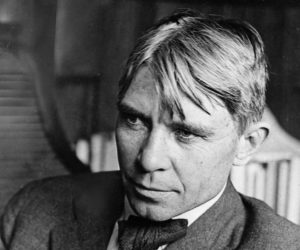
Fog by Carl Sandburg About the Poet

Carl August Sandburg (1878-1967) was an American poet, writer and editor. He won three Pulitzer Prizes- two for his poetry and one for his biography of Abraham Lincoln. He wrote poems like grass, analysis, Chicago, etc.

Poet NameCarl sandburg
Born6 January 1878, Galesburg, Illinois, United States
Died22 July 1967, Flat Rock, North Carolina, United States
EducationLombard College (1898–1902)
AwardsPulitzer Prize for History, Robert Frost Medal
QuotesPoetry is an echo, asking a shadow to dance.
Nothing happens unless first, we dream.
Fog Summary by Carl sandburg

Fog Summary in English

The poet presents a vivid description of natural phenomenon of fog formation. He compares fog to a cat. Fog comes silently and sits looking over the city and the harbour like a cat. It seems that it is sitting silently on its haunches and then proceeds.

Fog Summary Questions and Answers

1. The fog comes
on little cat feet.
It sits looking
over harbour and city

a. “It” in the above lines refers to …………………
(i) the cat
(ii) the harbour
(iii) the fog
(iv) the city
Answer:
(iii) the fog.

b. Like a cat it moves ……………..
(i) silently
(ii) upward
(iii) very fast
(iv) over harbour and city
Answer:
(i) silently.

c. “It sits looking ….” The poetic device used here is ……………….
(i) simile
(ii) personification
(iii) metaphor
(iv) alliteration
Answer:
(ii) personification.

2. The fog comes
on little cat feet.

Question 1.
How does the poet compare the fog with cat? Which poetic device is used here?
Answer:
The poet compares the fog to a cat as the fog too seems to come on its little cat feet and seems to s^ttie over the city on its silent haunches. A personification is used here. The fog is personified as a cat.

Question 2.
Find three things that tell us that the fog is like a cat.
Answer:
There are three things that tell us that the fog is like a cat. A cat comes stealthily without making a noise. It sets on its haunches silently looking around. Then it moves on. Similarly, the fog raises quietly .It settles over harbour and city and then moves on. Hence, the comparison of the fog to a cat is appropriate.

Animal Farm Chapter 3 Summary

We have decided to create the most comprehensive English Summary that will help students with learning and understanding.

Animal Farm Chapter 3 Summary

The animals had to work very hard to get the hay in. But, the harvest was more of a success than Mr. Jones and his men ever accomplished, despite the fact that the tools were not well suited for animals to use. The pigs supervised the others but did not participate in the manual labour. With their superior knowledge, they assumed leadership for themselves. All animals worked day and night and finished the harvest in two days less than it had taken Mr. Jones and his men. The horses, ducks and hens, played their role in the harvest. With the ‘parasitical human beings’ out of the way, the animals enjoyed a feeling of abundance for the first time.

They had more leisure and their food tasted all the better as it was not doled out to them by a grudging master. However, they had to face many difficulties. They had a hard time harvesting the corn. Boxer was invigorated and pushed himself to work harder than ever, because he was strong and big, thus he contributed to the most strenuous labour. In contrast, the hens and ducks worked together gathering small bits of corn that the bigger animals were not able to do.

The system of Animalism on Animal Farm worked well: Every animal was satisfied with his share of the labour and its fruits. No one stole or argued, and very few shirked their responsibilities, with the exception of frivolous Mollie and the cat. Mollie was not good at getting up in the mornings, and had a way of leaving work early on the ground that there was a stone in her hoof. And the cat could never be found, where there was work for her to do. Old Benjamin, the donkey, seemed unchanged and worked in the same slow obstinate way.

Every Sunday was a day of rest on the Animal Farm. The animals held an hour-long ceremony, which was conducted every week without fail. The flag was hoisted which was green, to represent the green field of England, as explained by Snowball. The hoof and the horn signified the future Republic of the Animals, which would arise when the human race had been finally overthrown. A gathering called meeting followed the flag raising, in which the animals planned the coming week and the pigs represented resolutions for debate. Snowball and Napoleon debated the most and took the opposite sides.

The animals ended each ‘meeting’ by singing “Beasts of England.” The pigs had set up a study centre for themselves in the harness : room, where they studied trades using Mr. Jones’ books. Snowball began organizing the animals into Animal Committees, including, the Egg Production Committee, the Clean Tails League, the Wild Comrades’ Re-education Committee, to tame rats and rabbits and the Whiter Wool Movements.

Snowball succeeded in teaching some of the animals to read, although most of them lacked the intelligence needed for literacy. In fact, many of the animals lacked the intelligence needed to memorize the Seven Commandments, so Snowball reduced Animalism’s tenets (Commandments) to one simple saying : “Four legs good, two legs bad.”

As time passed, the pigs began to increase their control over the other animals. For example, when Jessie and Bluebell gave birth to puppies, Napoleon took them to an isolated loft where he could teach them. The loft could only be reached by a ladder from the harness room. Soon everyone forgot their existence. Napoleon believed that educating young, impressionable animals was more important than trying to re-educate older ones.

It turned out that pigs started mixing the cow’s milk with their food. When the wind knocked ripe apples out of the orchard trees, the pigs claimed the right to take them all, as well as the bulk of the apple harvest. The pigs claimed that they needed milk and apples in order to power their “brainwork”. Squealer explained that if, the pigs would stop drinking milk and eating apples, they could lose their powers of organization and Mr. Jones would come back. The threat of Mr. Jones’s return was enough to quell the other animals’ doubts and questions.

Animal Farm Chapter 3 Summary Word Meanings:

  • Shirk – Avoid one’s assigned duties.
  • Cryptic – Having a secret or hidden meaning
  • Grudging – Petty or reluctant in giving or spending
  • Wean – Gradually deprive of mother’s milk
  • Chaff – Material consisting of seed covering and pieces of stem.
  • Signified – The meaning of a word or expression
  • Obstinate – Marked by tenacious unwillingness to yield
  • Acute – Ending in a sharp point
  • Conceive – Have the idea for
  • Welfare – Something that aids or promotes well being.

Animal Farm Chapter 3 Summary Questions and Answers

Question 1.
Read the extract given below and answer the questions that follow :
In the end they finished the harvest in less than two days time than it had usually taken Jones and his men. Moreover, it was the biggest harvest that the farm had ever seen. There was no wastage whatever; the hens and ducks with their sharp eyes had gathered up the very last stalk, and not an animal on the farm had stolen so much as a mouthful. All through that summer the work of the farm went like clockwork. The animals were happy as they had never
(i) What problems did the animals face in the beginning ? What work did the pigs do?
(ii) Give any three examples of how animals worked together in harmony to take care of the farm.
(iii) What was the colour of the flag that was hoisted every Sunday ? What design did it have ? What was the
significance of the design?
(iv) Name three Animal Commiftees that Snowball organized.
(v) Point out the differences in the characters of Snowball and Napoleon. Cite instances to support your
answer.
Answer:
(i) The problems that animals faced during harvesting were that, they found the work difficult because the implements had been designed for human beings and not for animals. No animal could use any tool that involved standing on his hind legs. When they harvested the corn, they had to tread it out in the ancient style, since the farm possessed no threshing machine.The pigs being clever thought of a better way of working. They, in fact did not actually work, but directed and supervised the work done by the other animals.

(ii)

  • The pigs, with their superior knowledge, directed and supervised the other animals’ work.
  • Boxer and Clover harnessed themselves to the cutter or the horse rake and tramped around the field.
  • Every animal worked at turning the hay and gathering it. Ducks and hens carried tiny wisps of hay in
    their beaks. With their sharp eyes, they were able to gather up the very lost stalk and ensured that there was no wastage. Thus, in this way, all the animals worked together harmoniously in taking care of the farm.

(iii) Green colour flag was hoisted every Sunday. It was made of an old green tablecloth in the harness room used by Mrs. Jones. Snowball painted a hoof and a horn in white on the cloth as a design. The green signified the green fields of England and the design of a hoof and horn and white signified the future Republic of the Animals.

(iv) Snowball organized the animals into various Committees :

  • The Egg Production Committee for hens.
  • The Clean Tails League for the cows.
  • The Wild Comrades’ Re-education Committee, to tame the rats and the rabbits.
  • The Whiter Wool Movement for the sheep.

(v) Snowball, right from the beginning was a follower of Old Major and was committed to realize Old Major’s dream. He thought that helping the animals to read and write was more important in their fight for freedom. He reduced the Seven Commandments to a single “Four legs good, two legs bad”, so that even those animals which could not memorize the philosophy of Animalism may understand and abide by it.

He was very idealistic, intelligent and enthusiastic. He organized various committees, he proved that he is strategic in his plan. The construction of the windmill eased the animals’ efforts and gave them some free time. Snowball intended to govern the farm through good deeds.

Napoleon, on the other hand, was an opportunist. He was least bothered about the principles of the farm. He was more corrupt, he just focused on grabbing power as described in the novel, “A fierce looking boar with a reputation for getting his own way.” He stole cow’s milk for the pigs and took nine puppies by force on the pretext of educating them. He was very violent and cruel. He also terrorized innocent animals and dictated them. Finally, he was seen eating and drinking with Jones much against the commandment, “four legs are good, two legs bad”.

He ended up changing the seventh commandment to, “All animals are equal but some are more equal than others”, and reverting to the old name of the farm, “Manor farm”. This shows that though he lived with the animals he was focused on ruling them. If Old Major’s speech had inspired Snowball to rebel against humans to achieve freedom for animals, it had sown seeds of greed in the mind of Napoleon. He was driven to attaining power and dictate the farm.

Question 2.
Read the extract given below and answer the questions that follow :
Napoleon took no interest in Snowball’s committees. He said that the education of the young was more important than anything that could be done for those who were already grown up.
(i) Name the different committees that Snowball had formed
(ii) How did the reading and writing classes go?
(iii) Just before the extract, the sheep are seen adopting a maxim. What was it?
(iv) What did Napoleon do just after this extract?
(v) Later in the chapter, the pigs were seen getting greedy. How?
Answer:
(i) Snowball busied himself with organising the other animals into what he called ‘Animal Committees’. He formed the Egg Production Committee for the hens, the Clean Tails League for the cows, the Wild Comrades’ Re-education Committee (the object of this was to tame the rats and rabbits), the Whiter Wool Movement for the sheep, and various others, besides instituting classes for reading and writing.

(ii) The reading and writing classes, however, were a great success. By the autumn, almost every animal on the farm was literate to some degree. However, the pigs were the most efficient in these skills.

(iii) The sheep were not able to remember all the Seven Commandments. Then Snowball formed a single maxim for them, “Four legs good, two legs bad”. The sheep developed a great liking for this maxim and would often start bleating it.

(iv) It happened that Jesse and Bluebell had given birth to nine sturdy puppies. As soon as they weaned, Napoleon took them from their mothers, saying that he would make himself responsible for their education.

(v) The mystery of disappearing milk was solved. It was being mixed every day into the pig’s mash. Then when the orchard became littered with windfall apples, the animals thought that they would be distributed equally among them. However, the pigs got the whole of them. They fooled the other animals by saying that they actually disliked milk and apples, but they were necessary as they needed them for their health. If their brain was not healthy then Jones might return. Everybody accepted the explanation.

Question 3.
Read the extract given below and answer the questions that follow :
“His answer to every problem, every setback, was 1 will work harder!”: which he had adopted as his personal motto.”
(i) Who is being spoken about in the above lines?
(ii) What do the above lines tell us about him?
(iii) Which problem has he faced?
(iv) How did he manage to overcome the problem?
(v) Did he show any signs of change after the Rebellion? Why
Answer:
(i) Boxer the horse is being spoken about in the above lines.

(ii) The above lines tell us’about his laborious and hard-working nature. He was very brave and courageous, the entire work of the farm seemed to rest on his mighty shoulders, and he was ever ready to work harder.

(iii) When the corn was harvested, the farm possessed no threshing machine, so they had to tread out the corn in the ancient style. Boxer pulled them through his tremendous muscles.

(iv) Boxer was a hard worker even in Jones’ time, but now he seemed more like three horses than one. From morning to night he was pushing and pulling, always at the spot where the work was hardest.

(v) After the Rebellion, Boxer started working the hardest. From morning to evening he was pushing and pulling. He had made an arrangement with one of the cockerels to call him in the morning half an hour earlier than anyone else, and would put in some volunteer labour at whatever seemed to be most needed, before the regular day’s work began. His answer to every problem, every setback was, “I will work harder!”, which he had adopted as his personal motto.

Question 4.
Read the extract given below and answer the questions that follow :
“The flag was green, Snowball explained, so represent the green field of England, while the hoof and horn signified the future Republic of the Animals which would rise when the human race had been finally overthrown.”
(i) On which days was the flag hoisted?
(ii) What did the green coloured flag signify?
(iii) What was the significance of the hoof and horn in white?
(iv) What was the ultimate aim of the animals on the Animal Farm?
(v) Where were the meetings held and what was discussed in them?
Answer:
(i) The flag was hoisted on every Sunday at 8 O’clock in the morning.
(ii) The green coloured flag represented the green fields of England.
(iii) The hoof and horn in white signified the future Republic of the animals.
(iv) The ultimate aim of the animals on the Animal Farm was to overthrow the human race, which was planned in their rebel against human tyranny.
(v) After the hosting of flag, all the animals trooped into the big farm for a general assembly which was known as the meeting. Here, the work of the coming week was planned out and resolution were put forward and debated.

Question 5.
Read the extract given below and answer the questions that follow :
“It is for your sake that we drink milk and those apples”.
(i) Who is the speaker of the above lines?
(ii) What special privilege is he getting?
(iii) Who does he refer to by “we”?
(iv) What arguments does he give to convince the other animals?
(v) Does he achieve in his endeavour?
Answer:
(i) Squealer is the speaker of the above lines.

(ii) The pigs were drinking the whole milk and eating ripe apples all by themselves without sharing with other animals. They called it their privilege against serving the animals on the farm in a spirit of their selfless duty.

(iii) ‘We’ means, Snowball, Napoleon, Squealer and whole pig community.

(iv) Squealer said their sole object in taking these things was to preserve their health. According to science, milk and apples contained substances absolutely necessary for the well being of the pigs. He said that pigs were the brainworkers. The whole management and organization of the farm was dependent on them. Day and night they were watching over the animals’ welfare. It is for their sake that they were drinking that milk and eating those apples.

(v) Yes, he does achieve in his endeavour when he said, “Do you know what would happen if we pigs failed in our duty? Jones would come back ! Yes, Jones would come back ! Surely, comrades, “he further added ” Surely there is no one among you who wants to see Jones come back ?” No animal wanted Jones to back. The importance of keeping the pigs in good health was all too obvious. So it was agreed without further argument that, the milk and the windfall apples should be reserved for the pigs alone.

The Trees Summary in English by Adrienne Rich

We have decided to create the most comprehensive English Summary that will help students with learning and understanding.

The Trees Summary in English by Adrienne Rich

The Trees by Adrienne Rich About the Poet

Adrienne Rich (1929-2012) was born in Baltimore, Maryland, USA. She was a famous poet, essayist and feminist. She has published nineteen volumes of poetry, three collections of essays and other writings.

Poet NameAdrienne Rich
Born16 May 1929, Baltimore, Maryland, United States
Died27 March 2012, Santa Cruz, California, United States
SpouseAlfred H. Conrad (m. 1953–1970)
AwardsNational Book Award for Poetry, Ruth Lilly Poetry Prize
The Trees Summary by Adrienne Rich

The Trees Summary in English

The poet has unusual theme for the trees which want to break all the barriers of man-made things so as to reunite with their natural surroundings. The poet very clearly depicts the disadvantage of growing trees inside the houses in enclosures which are cramped enough to make these trees revolt. They lose their natural utility by housing the insects and birds and spreading their shadow to the tired souls. The trees though appear to be weak, make ceaseless efforts from all the sides to come out of the boundaries by smashing the glass.

The condition of land without forest
a. No bird will be there.
b. No insect will be there.
c. The sunlight cannot make shadow.
Activities by plants for reforestation
d. Plants are coming out of the pots kept in veranda.
e. The leaves in the picture frames are breaking the glasses.
f. Very small plants that look like discharged patients are also moving for reforestation.
The reaction of poet
g. She is happy to hear the movement sound of plants.
h. She writes a letter but does not mention this departure of plants because she is afraid that those people may again cut the forest.
The image of moon
i. Unbroken moon – It is sad for not scattering its light over forest because all trees are cut.
j. Broken Moon – It has scattered its rays over the reforested jungle.

The Trees Summary Questions and Answers

1. I sit inside, doors open to the veranda
writing long letters
in which I scarcely mention the departure
of the forest from the house.

a. ‘I’ in the above lines is ___________
(i) a young man
(ii) the poet
(iii) a boy
(iv) a young woman
Answer:
(ii) the poet

b. The speaker is ___________
(i) in her house
(ii) is writing letters
(iii) watching the departure of the forest
(iv) all of the above
Answer:
(iv) all of the above

c. The trees are moving ___________
(i) inside
(ii) outside
(iii) nowhere
(iv) sideways
Answer:
(ii) outside

2. All night the roots work
to disengage themselves from the cracks
in the veranda floor.

a. Where are the roots?
Answer:
The roots are entangled in the cracks of the veranda floor.

b. What are the roots doing?
Answer:
The roots are trying to disengage themselves from the cracks of the veranda floor so that they can move out into the forest.

c. Where have the cracks appeared?
Answer:
The cracks have appeared on the veranda floor.

3. I sit inside, doors open to the veranda
writing long letters
in which I scarcely mention the departure
of the forest from the house.

a. Who is ‘I’?
Answer:
The poet is ‘I’ here.

b. What is he doing?
Answer:
She is writing letters.

c. Where are the trees in the poem?
Answer:
The trees are inside the house. But now they are moving out of the house.

Question 4.
What are the three things that cannot happen in a treeless forest?
Answer:
The forest has been empty all these days because its trees have been cut down. Three things cannot happen in a treeless forest. Firstly, birds cannot sit there. Secondly, insects can’t hide themselves. Thirdly; the sun cannot bury its rays in shadow.

Question 5.
In the poem ‘Trees4, where are the trees? What are their roots, twigs, etc. trying to do?
Answer:
The trees are inside the houses. Their roots, twigs, etc. are making ceaseless efforts from all the sides to come out of the boundaries by smashing the glass.

Question 6.
What does the poet mean by the sun’s feet? What picture do these words create in mind?
Answer:
The sun’s feet refer to the sunrays which are not able to penetrate through the thick cluster of trees. These words create a dark and gloomy image in the mind.

Question 7.
long-cramped boughs shuffling under the roof Like newly discharged patients.
Why does the poet compare branches with patients?
Answer:
The poet compares the ‘long-cramped’ branches that have been shuffling under the roof to newly discharged patients who look half-dazed as they move towards the hospital doors after long illnesses and wait to get out of the hospital. The branches also have cramped under the roof and want to get out into the open to spread themselves in fresh air.

Animal Farm Chapter 2 Summary

We have decided to create the most comprehensive English Summary that will help students with learning and understanding.

Animal Farm Chapter 2 Summary

Soon after the meeting, something unusual happened at Manor Farm. Old Major died peacefully in his sleep, three days after the meeting took place. The animals buried him in the farm’s orchard. In the three months that followed, the most intelligent of the animals began meeting regularly. Even though they didn’t know when the Rebellion would happen, yet, they organized for it. The work of organizing and teaching fell upon the pigs, who were considered to be the cleverest of all animals.

The two pigs, Napoleon and Snowball, took the responsibility upon themselves. Snowball was a vivacious pig, whereas Napoleon was a large, rather fierce pig who was not much of a talker. Another pig named Squealer, joined Napoleon and Snowball, as he was well known for his powers of speech and persuasion. The three pigs worked together to formalize old Major’s ideas into a system of ideas called ‘Animalism’.

They held several secret meetings to expound the principles of Animalism to others. The pigs faced difficulty to convince other animals about the need for Rebellion. Some wondered why they should work for the Rebellion that might not happen in their life times. Among them was Moses, the raven, who promised them that they would go to a land of plenty called ‘Sugarcandy Mountain’, when they died. Boxer and Clover proved helpful in winning the animals over to the cause, because the animals believed the horses to be trustworthy.

Soon the animals got the opportunity to rebel against Mr. Jones who had lately fallen into evil ways. He lost a lawsuit and therefore, continued to neglect the farm and drank too much. His men were dishonest who also neglected the farm and, thus the farm kept deteriorating and the animals were kept underfed.

One Saturday night, Mr. Jones got drunk in the Red Lion and forgot to feed the animals. The cows broke in the door of the store shed and, thus all animals helped themselves to food. When Mr Jones tried to stop and whip the animals, they fought back. Jones, his family and his men ran out of the farm.

The animals, seeing what they had accomplished and realizing that they were free, destroyed the farmer’s tools and the symbols of their bondage, such as bits, nose rings and halters. They burned everything that reminded them of their oppressor. After that, they all sang ‘Beasts of England’ seven times before they could go to sleep.

The next morning the animals hurled themselves into the air with leaps of excitement and gazed around in the morning light. They all agreed on the point that no animal must ever live there. In the meantime, the pigs had taught themselves to read and write and renamed Manor Farm as Animal Farm.

On the bam wall they wrote the basic tenets of Animalism as Seven Commandments :

  • Whatever goes upon two legs is an enemy.
  • Whatever goes upon four legs, or has wings, is a friend.
  • No animal shall wear clothes.
  • No animal shall sleep in a bed.
  • No animal shall drink alcohol.
  • No animal shall kill any other animal.
  • All animals are equal.

All animals agreed to them. Just before the animals moved out to the hayfield to harvest, they realized that the cows needed milking, so the pigs decided to do the job. When the animals wondered about what would be done with the buckets of milk, Napoleon told them not to worry. Soon after when the animals returned from the hayfield, they noticed that the milk in the buckets had disappeared.

Animal Farm Chapter 2 Summary Word Meaning

  • Squealer – One who reveals confidential information in return for money.
  • Unalterable – Not capable of being changed.
  • Rebellion – Organized opposition to authority
  • Manor – The land estate of a lord, including the house on it.
  • Nimble – Moving quickly and lightly
  • Vivacious – Vigorous and animated
  • Apathy – An absence of emotion or enthusiasm
  • Expound – Add details, as to an account or idea.
  • Ecstasy – A state of elated bliss
  • Persuasive – Intended or having the power to induce action or belief.

Animal Farm Chapter 2 Summary Questions and Answers

Question 1.
Read the extract given below and answer the questions that follow.
These three had elaborated Old Major’s teachings into a complete system of thought, to which they gave them the name of Animalism.
(i) Who had elaborated on Old Major’s teachings?
(ii) When and where did they hold their secret meetings? How did the meetings end?
(iii) What had the Old Major said about the nature of this life of ours’?
(iv) Who were the most faithful disciples? How did they contribute towards the preparations for the rebellion?
(v) Mention any two changes that were seen on the farm in the days immediately after the rebellion? How would you justify such a change ?
Answer:
(i) Two young boars, Snowball and Napolean, and a small fat pig Squealer, had elaborated on Old Major’s teaching.

(ii) The secret meetings were held several nights a week in barn, when Mr. Jones was fast asleep. The meetings always ended with the singing of song “Beasts of England” by Boxer and Clover leading other animals.

(iii) The Old Major said that nature of their lives (animal lives) was miserable, laborious and short. Animals were born, given as much food as would keep the breath in their bodies. And those of them who were capable were forced to work to the last of their strength in their bodies. The very instant their usefulness had come to an end, the animals were killed cruelly or slaughtered. No animal in England knew the meaning of happiness or leisure after it was a year old; no animal in England was free. The life of an animal was one of misery or slavery.

(iv) The most faithful disciples were the two cart-horses, Boxer and Clover. They accepted the pigs as their teachers, the two of them absorbed everything they were told, and passed it on to the other animals by simple arguments. They were the unfoiling attendants to the secret meetings in the barn and led the other animals in to singing ‘Beasts of England’, during the conclusion of the meetings.

(v) The two changes that took place on the farm after the rebellion were, firstly, Snowball changes the sign reading ‘Manor Farm’ to ‘Animal Farm’. Secondly, on the barn wall they wrote the basic tenets of Animalism as Seven Commandments. The change was justified because their owner Mr. Jones, ill-treated, and starved them to death. Nobody wants to lead a slave-life.

Question 2.
Read the extract given below and answer the questions that follow.
These three had elaborated Old Major’s teachings into a complete system of thought, to which they gave them name of Animalism.
(i) Who had elaborated on Old Major’s teachings ?
(ii) When and where did they hold their secret meetings ? How did the meetings end ?
(iii) What had the Old Major said about the ‘nature of this life of ours’ ?
(iv) Who were the most faithful disciples ? How did they contribute towards the preparations for the rebellion?
(v) How did the animals celebrate the day after the rebellion ?
Answer:
(i) Two young boars, Snowball and Napoleon, and a small fat pig Squealer, had elaborated on Old Major’s teachings.

(ii) The secret meetings were held several nights a week in barn, when Mr. Jones was fast asleep. The meetings always ended with the singing of song “Beasts of England” by Boxer, and Clover leading other animals.

(iii) The Old Major said that nature of their lives (animal lives) was miserable, laborious and short. Animals were born, given as much food as would keep the breath in their bodies. And those of them who were capable were forced to work to the last of their strength in their bodies. The very instant their usefulness had come to an end, the animals were killed cruelly or slaughtered. No animal in England knew the meaning of happiness or leisure after it was a year old; no animal in England was free. The life of an animal was one of misery or slavery.

(iv) The most faithful disciples were the two cart-horses, Boxer and Clover. They accepted the pigs as their teachers, the two of them absorbed everything that they were told, and passed it on to the other animals by simple arguments. They were the unfoiling attendants to the secret meetings in the bam and led the other animals in to singing ‘Beasts of England’ during the conclusion of the meetings.

(v) The day after the rebellion, the animals woke up early as usual and raced out into the pasture together. They rushed to the top of a knoll and gazed around them in the clear morning light. In ecstasy, the animals gambolled round and round, they hurled themselves into the air in great leaps of excitement. They rolled in the dew, cropped mouthfuls of the sweet summer grass. They kicked up clods of the block earth and snuffed its rich scent, made a tow of inspection of the whole farm and surveyed with speechless admiration the plough land, the hayfield, the orchard, the pool, the spinney.

Question 3.
Read the extract given below and answer the questions that follow.
Three nights later Old Major died peacefully in his sleep. His body was buried at the foot of the orchard. This was Piaetice the important event and epnodei of the stouf. Each incident in the novel mint he given due importance. early in March. During the next three months there was much secret activity.
(i) Who is the Old Major?
(ii) What dream did the Major have?
(iii) What secret activity was going on in the farm?
(iv) Who was responsible for expounding the teachings of the Old Major?
(v) Who was Moses? What lies was he spreading?
Answer:
(i) The Old Major was a prized Middle White Boar living at the Manor Farm, through the name under which he had been exhibited was, ‘Willingdon Beauty’. He was highly regarded by the residents of the farm.

(ii) The Old Major talked about the dream that he had the previous night. In his dream, all men had vanished from Earth. It also reminded him of a song, ‘Beasts of England’, that he had long forgotten.

(iii) The Major had sown the seeds of rebellion in the hearts of the residents of the farm. After his speech, they all started to prepare for the rebellion to happen not knowing when it would actually happen. They began teaching and organising themselves.

(iv) The work of teaching and organising the other animals fell naturally upon the pigs, who were generally considered the cleverest of the animals. Two of them were young boars named Snowball and Napoleon. The others were porkers and the best known amongst them was a pig named Squealer.

(v) The pigs were trying to convince the animals that the rebellion was much needed. But they had a hard time counteracting the lies put about by Moses, the tame raven. He was Jones’ special pet. He kept telling the animals that he knew of a mysterious country called Sugarcandy Mountain, to which all the animals went when they died.

Question 4.
Read the extract given below and answer the questions that follow :
‘Now as it turned out, the Rebellion was achieved much earlier and more easily than anyone had expected.’
(i) What was the “Rebellion”?
(ii) How was it achieved?
(iii) Whose idea was it and what preparations were required to achieve it?
(iv) Why do you think it was easily achieved?
(v) Describe the animals’ reaction after achieving success in the Rebellion.
Answer:
(i) The Farm animals depicted a rebellion for their freedom from the human tyranny. The farm animals revolted because of farmer Jones’ malnourishment and disinterest in them.

(ii) The thoughts which Old Major had instilled in his fellow comrades lived on and inspired them. They started to prepare for the rebellion not knowing when it would happen.

(iii) The idea of rebellion was planted by Old Major who had a vision of a farm owned by animals, who would work together for the common goal. His ideas were taken and expanded by the three clever pigs, Napoleon, Snowball and Squealer.

(iv) The rebellion happened more quickly than expected. Mr. Jones had been a good farmer before, but lately he had fallen into evil ways. He did not care much for the farm and the animals. One night Mr. Jones got drunk in the Red Lion and forgot to feed the animals. One of the cows broke into the store shed and all the other animals also started to help themselves. When Jones and four of his farmhands started whipping the animals to get them under control, they turned and butted and kicked, driving Jones off his farm. His wife packed her bags quickly and followed. Mr. Jones was expelled and his farm belonged to the animals now.

(v) The animals could hardly believe their luck. They searched the farm to ascertain if any of the humans were hiding there. Then they reached back to the farm buildings to wipe out the last traces of Jones hated reign. They burned everything reminding of Jones. They sang ‘Beasts of England1 and slept as they had never slept before. The merry making corginued even on the next day.

Question 5.
Read the extract given below and answer the questions that follow.
In a very little while, the animals had destroyed everything that reminded them of Mr Jones. Napoleon then led them back to the store-shed and served out a double ration of com to everybody, with two biscuits for each dog.
(i) Which major incident took place before this extract?
(ii) Why were the animals destroying the things belonging to Mr. Jones?
(iii) What happened right after this extract?
(iv) What did the animals do the very next morning?
(v) Later in the chapter, the pigs give out the Seven Commandments. What were these?
Answer:
(i) Just before this extract, the rebellion had happened. However, it had happened before anyone had expected it to occur. Mr Jones had forgotten to feed the animals one day. The animals were not able to bear the hunger and broke free. Then they scared Jones out of the farm.

(ii) The animals were living under the tyrannical rule of Mr Jones. They had been exploited by him. They were starved and had suffered many of his atrocities. But when he was overthrown, they did not want to see his belongings. These reminded them of the suffering and hence, they destroyed them.

(iii) After the animals had destroyed everything that reminded them of Mr Jones, they sang ’Beasts of England’ from beginning to end seven times running, and after that they settled down for the night and slept as they had never slept before.

(iv) The animals raced out into the pasture together. They went to the knoll from where they could see the whole farm. They enjoyed in the natural surroundings and were very happy to see that the whole farm belonged to them now. ’

(v) The pigs revealed that during the past three months they had taught themselves to read and write. Snowball took a brush and renamed the Manor Farm as Animal Farm. They further explained that they had reduced the principles of Animalism to Seven Commandments.

These would become an unalterable law by which all the animals on the Animal Farm must live ever after. They ran thus:

  • Whatever goes upon two legs is an enemy.
  • Whatever goes upon four legs, or has wings, is a friend.
  • No animal shall wear clothes.
  • No animal shall sleep in a bed.
  • No animal shall drink alcohol.
  • No animal shall kill any other animal.
  • All animals are equal.

Question 6.
Read the extract given below and answer the questions that follow.
The Commandments were written on the tarred wall in great white letters that could be read thirty yards away.
(i) What were the Commandments?
(ii) Why did the animals need Commandments?
(iii) Who devised the Commandments and who wrote them on the wall?
(iv) Were the animals able to read and learn all the Commandments?
(v) What was the significance of the Seven Commandments in the ’Animal Farm1?
Answer:
(i) The Seven Commandments were as follow :

  • Whatever goes upon two legs is an enemy.
  • Whatever goes upon four legs, or has wings, is a friend.
  • No animal shall wear clothes.
  • No animal shall sleep in a bed.
  • No animal shall drink alcohol.
  • No animal shall kill any other animal.
  • All animals are equal.

(ii) The animals needed commandments, because principles of Animalism were reduced to Seven Commandments and this will help all the animals of the farm to follow such unalterable law if they wanted to live happily ever after on the Animal Farm.

(iii) The three pigs, Napoleon, Snowball and Squealer, devised the commandments and Snowball who was best at writing them on the wall.

(iv) No, not all the animals were able to read and learn all the commandments. Snowball read it aloud for the benefits of others. All the animals nodded in complete agreement, and the cleverer ones at once began to learn the commandments

(v) Without law and order, it is nearly proven that civilization will fail. Because of this, Snowball saw it necessary to create a set of rules for the animals on the newly evolving farm, in Seven Commandments.